
90 results
-
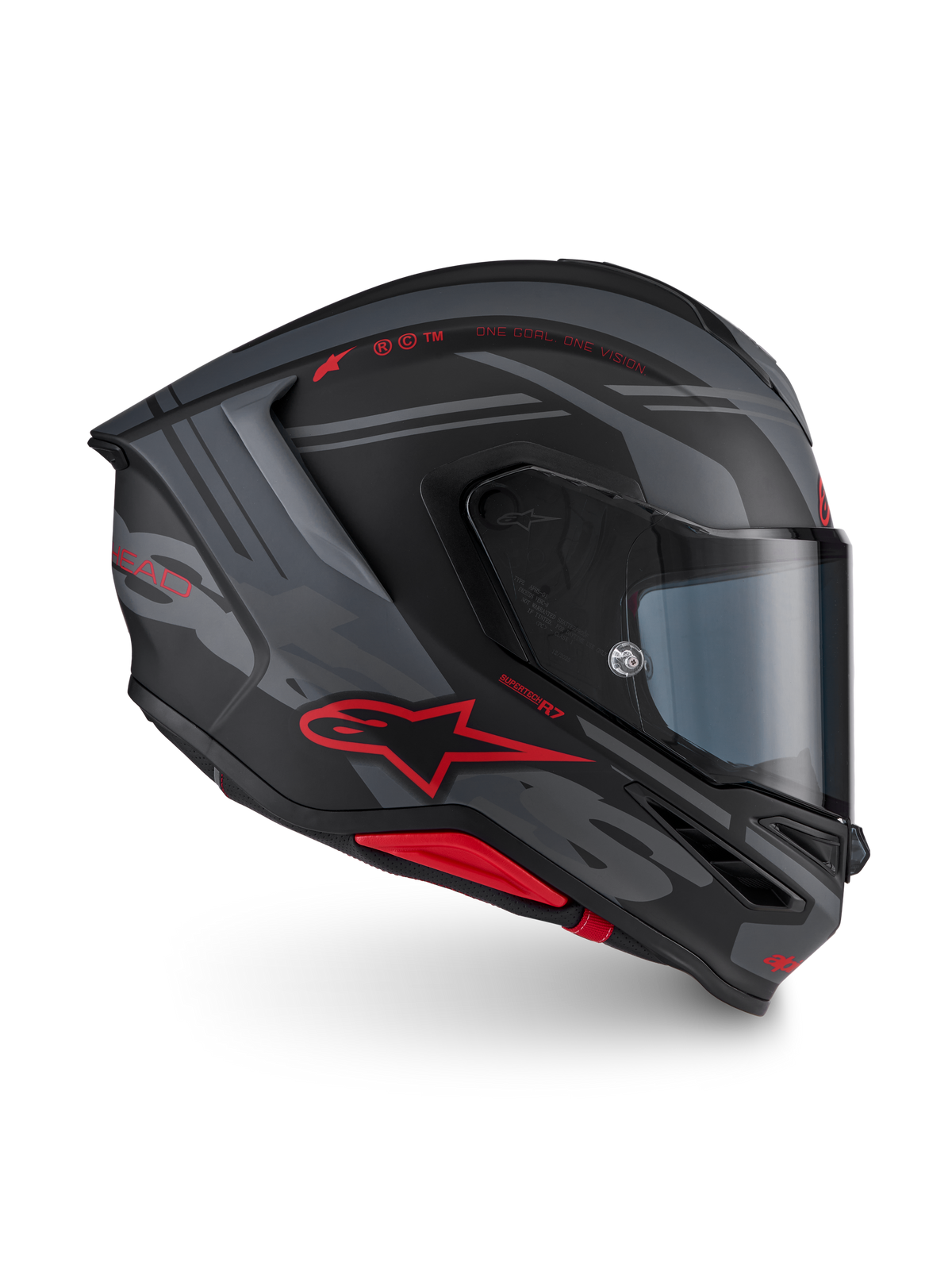
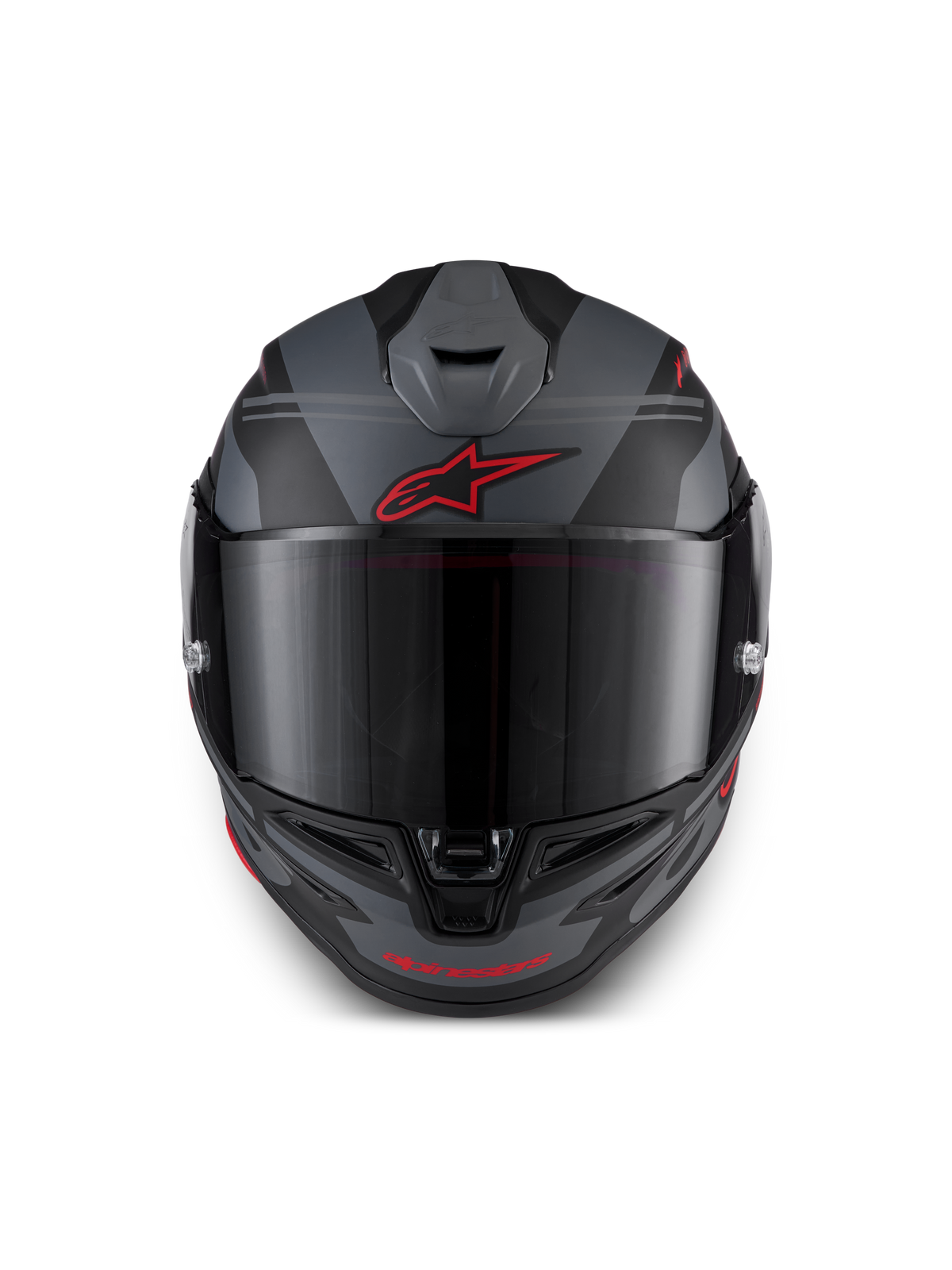
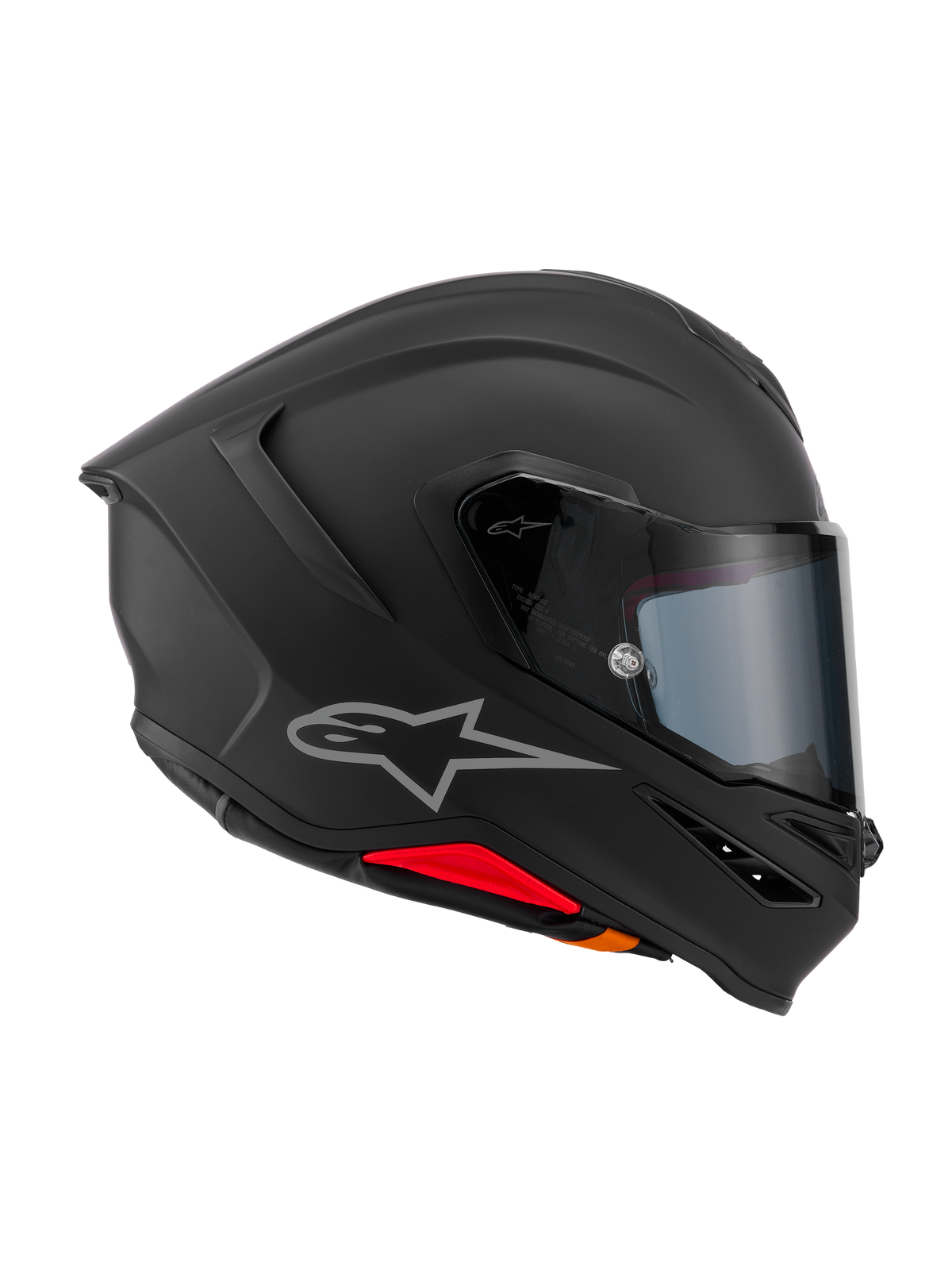
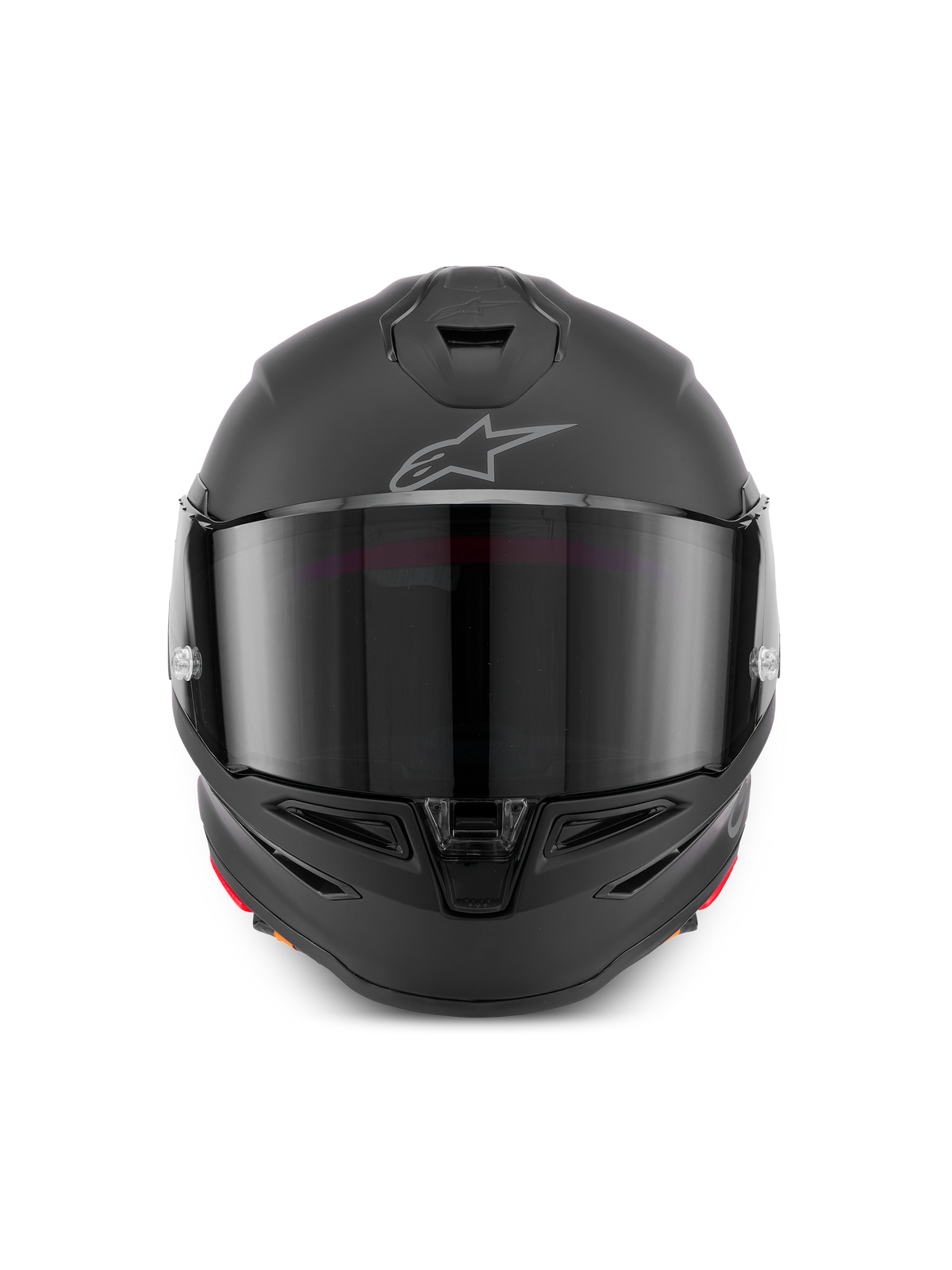
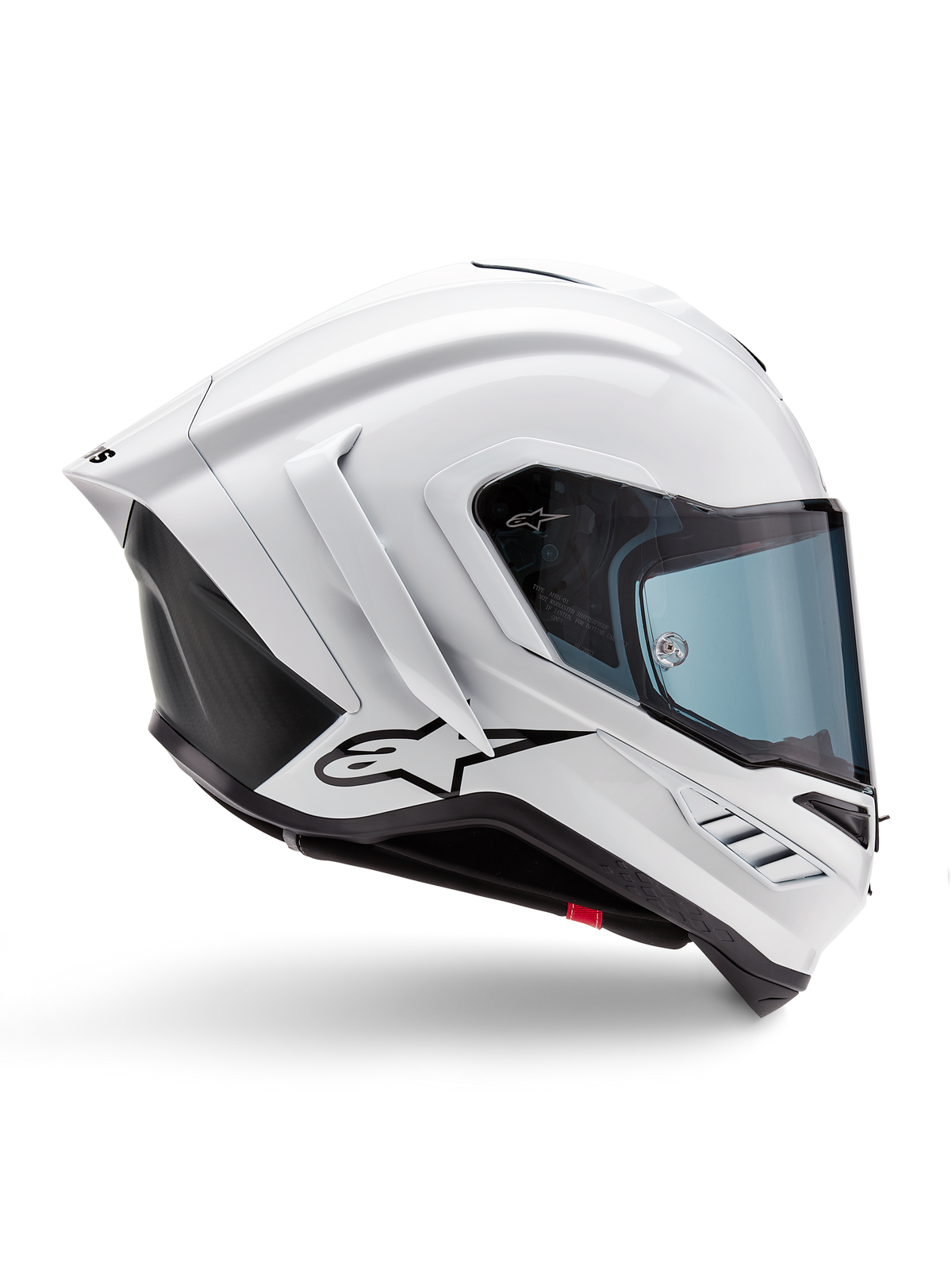
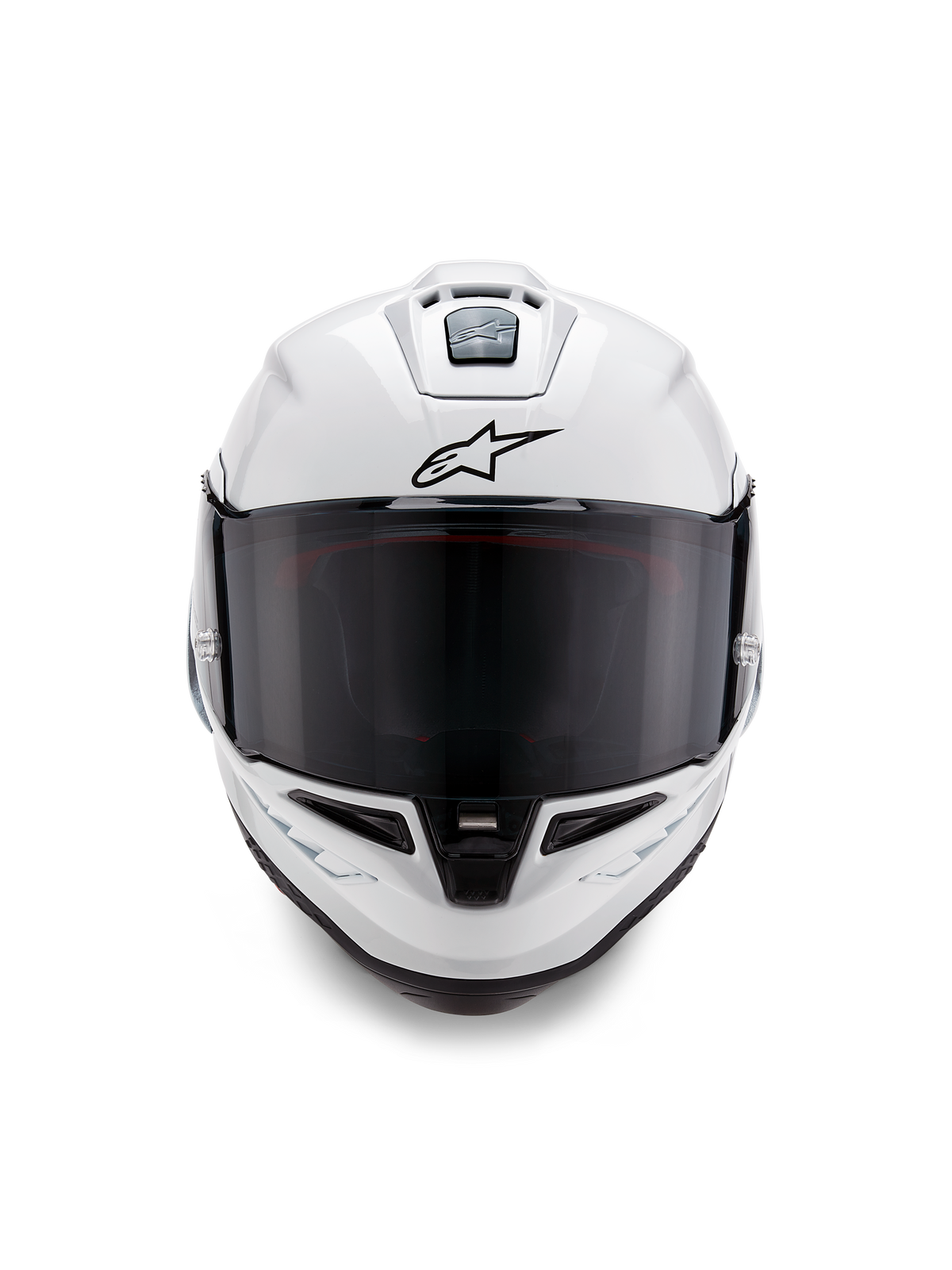
S-R7 Solid Helmet -
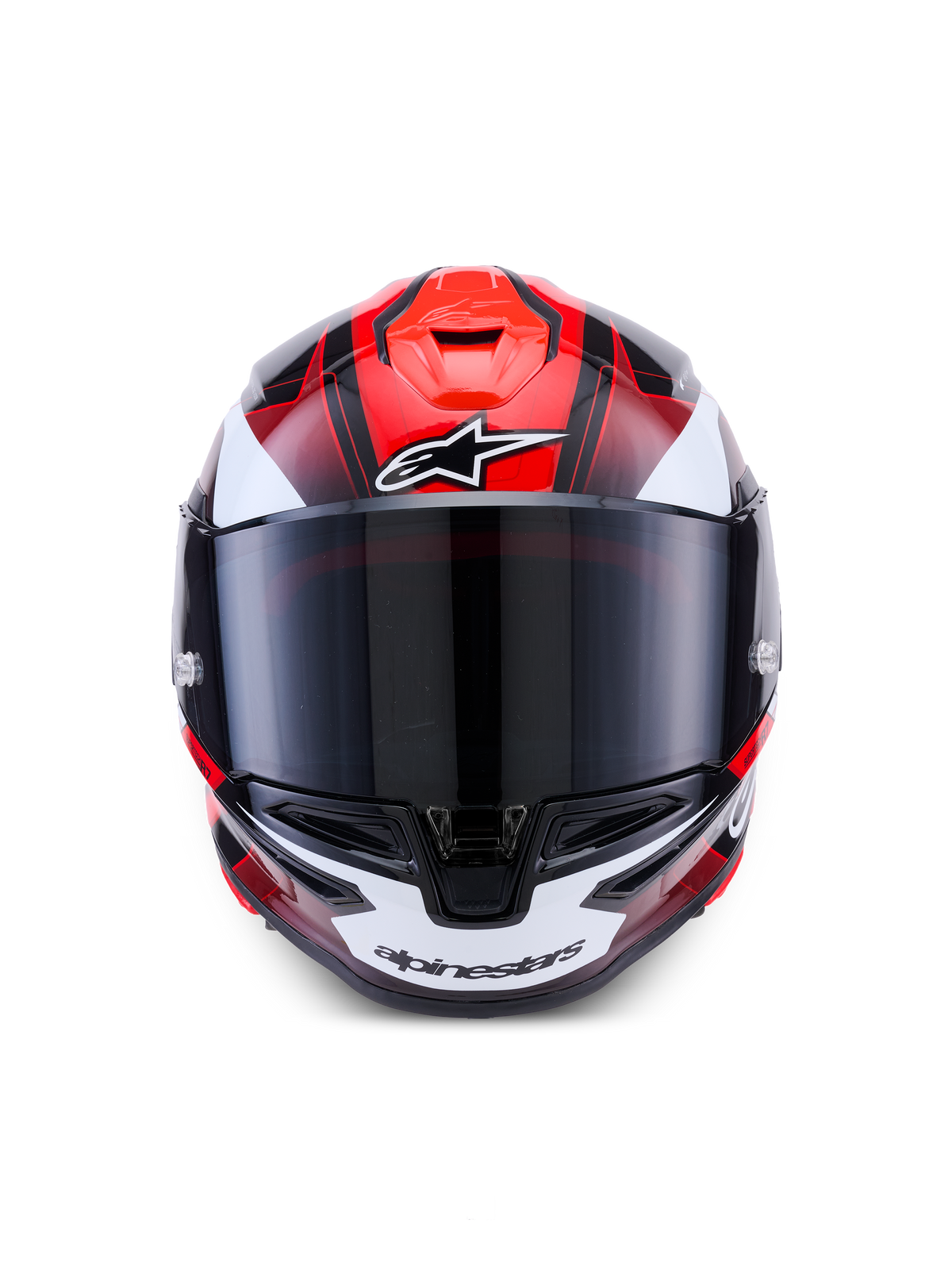
S-R7 A-Core Helmet -
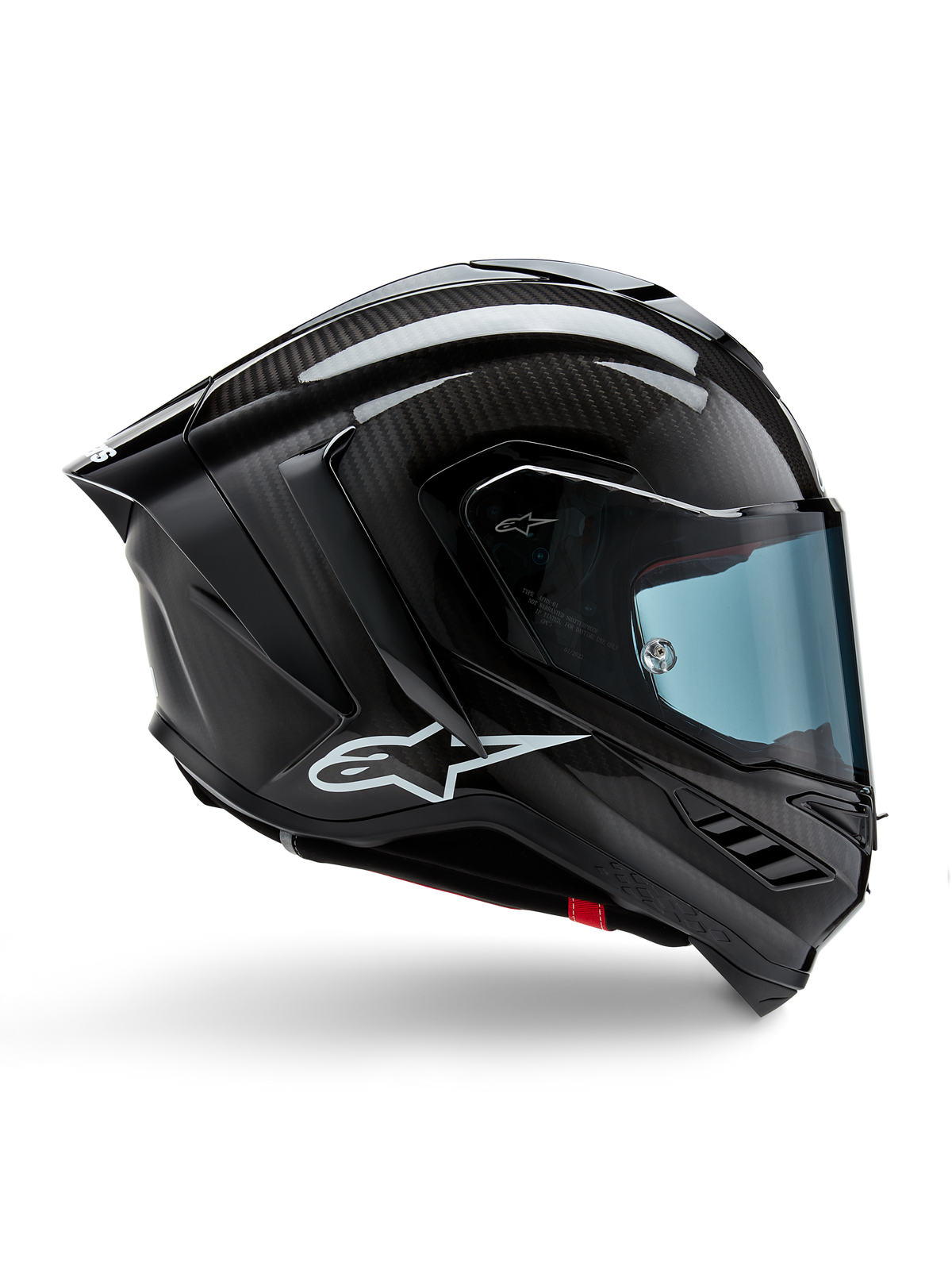
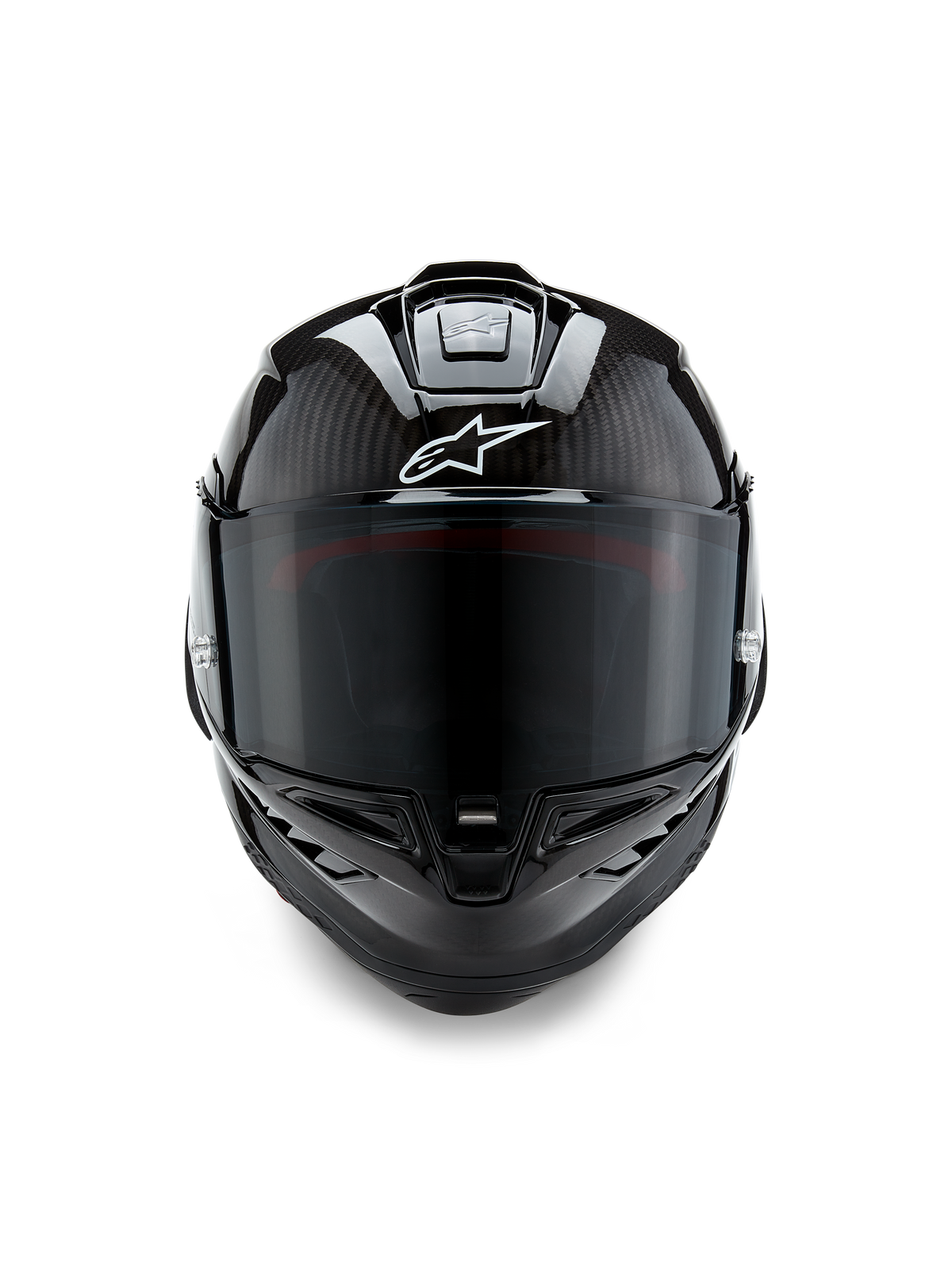
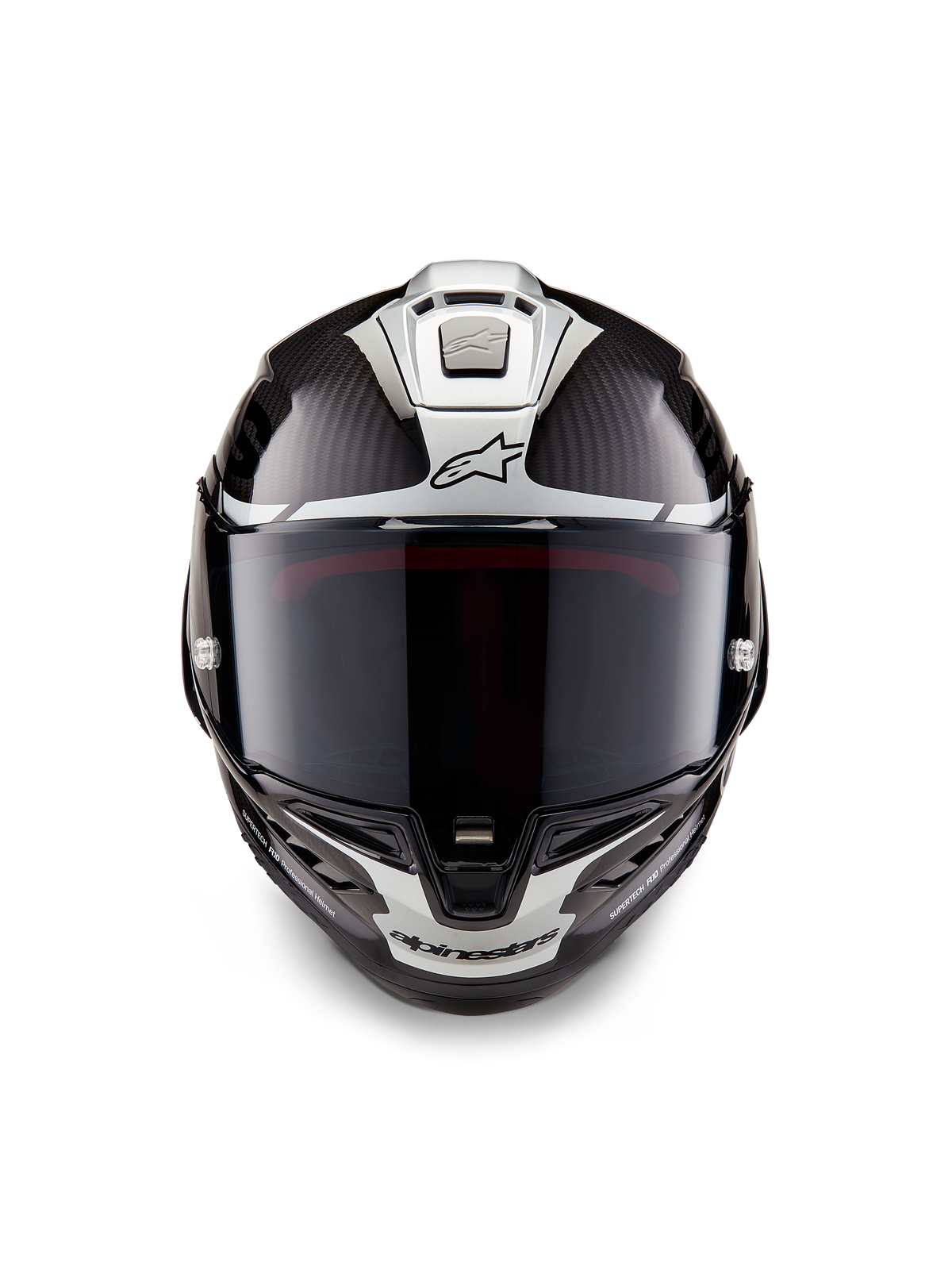
Supertech R10 Solid Helmet -
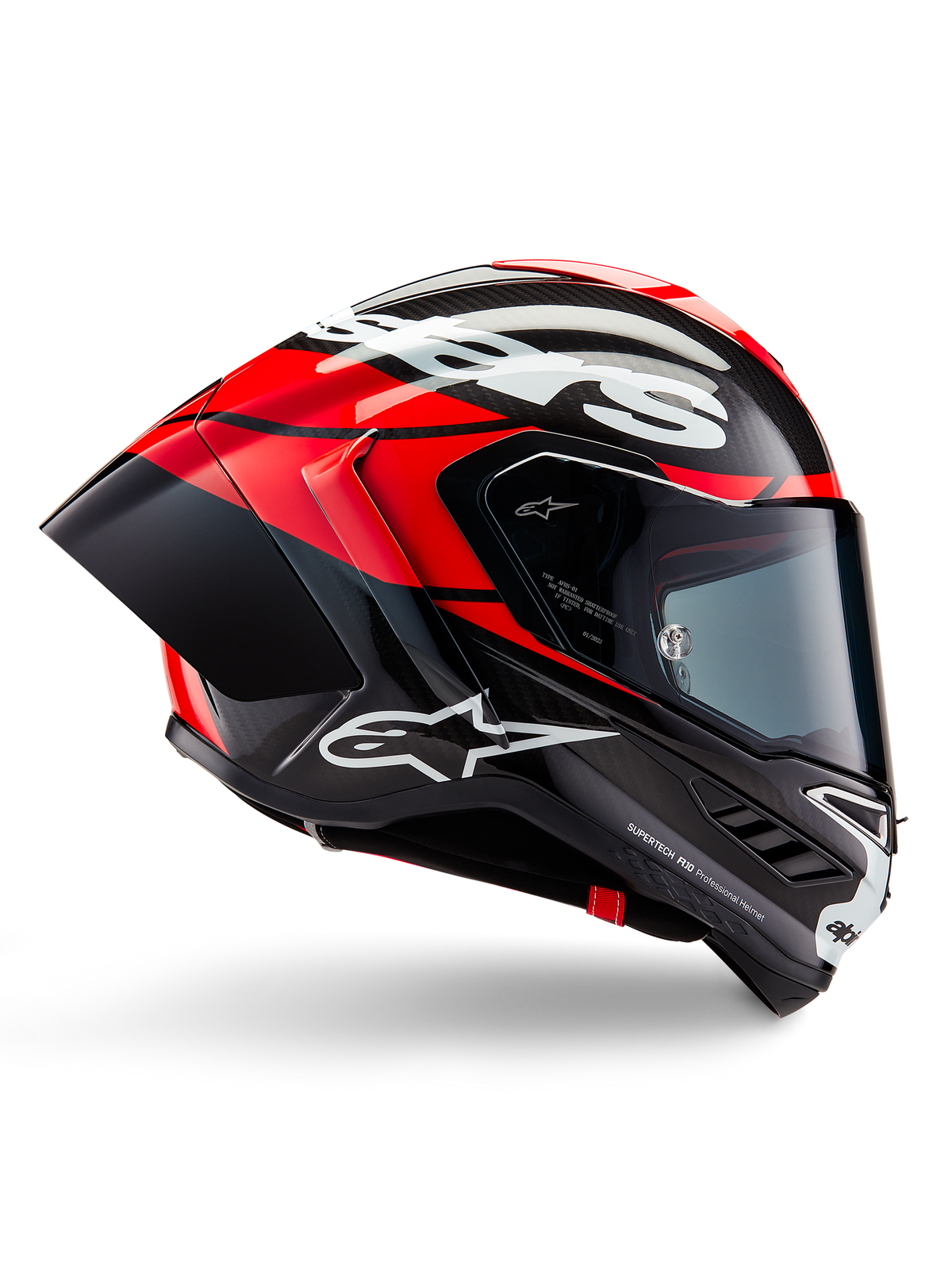
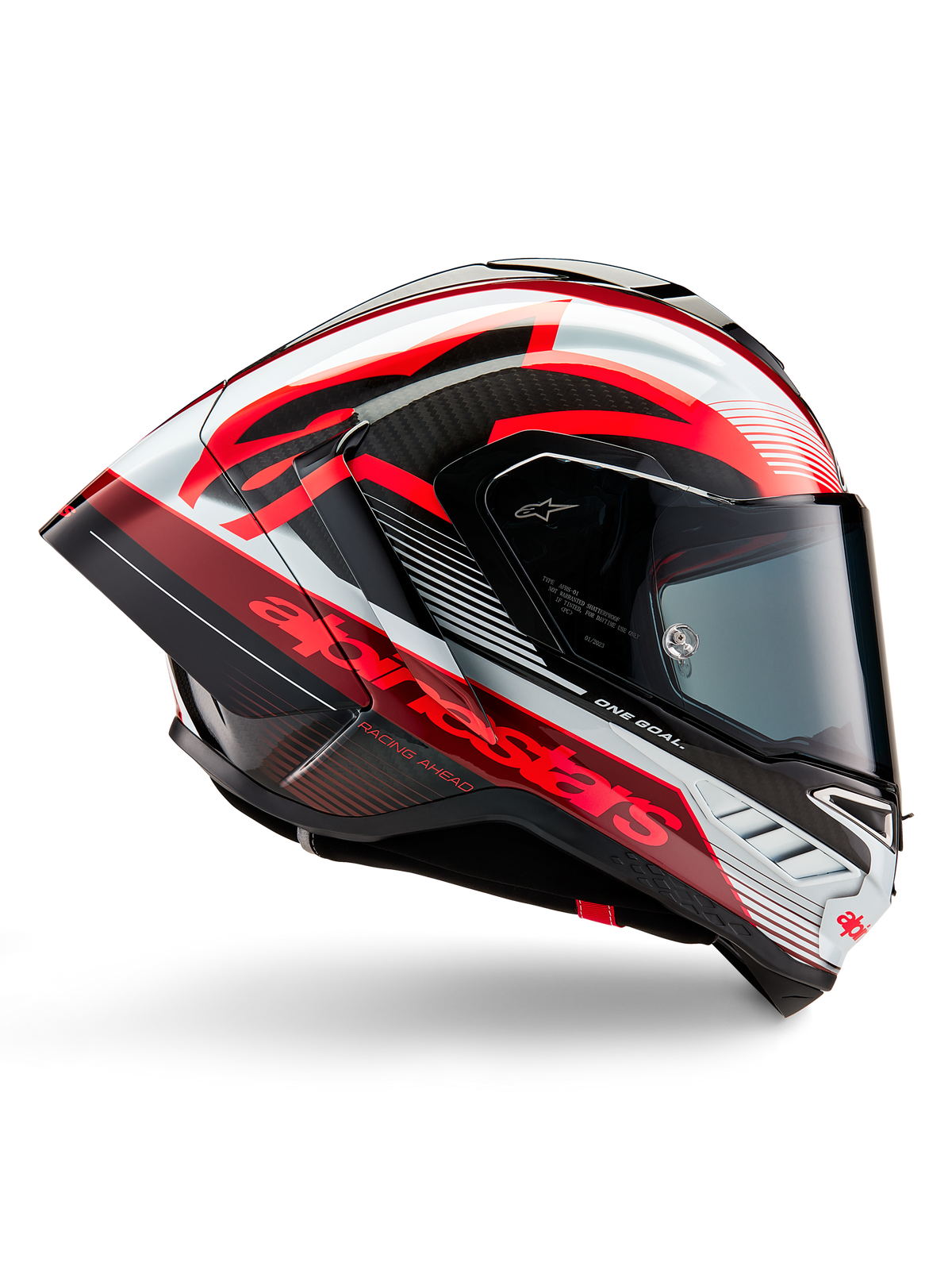
Supertech R10 Element Helmet -
S-R7 Solid Helmet -
S-R7 A-Core Helmet -
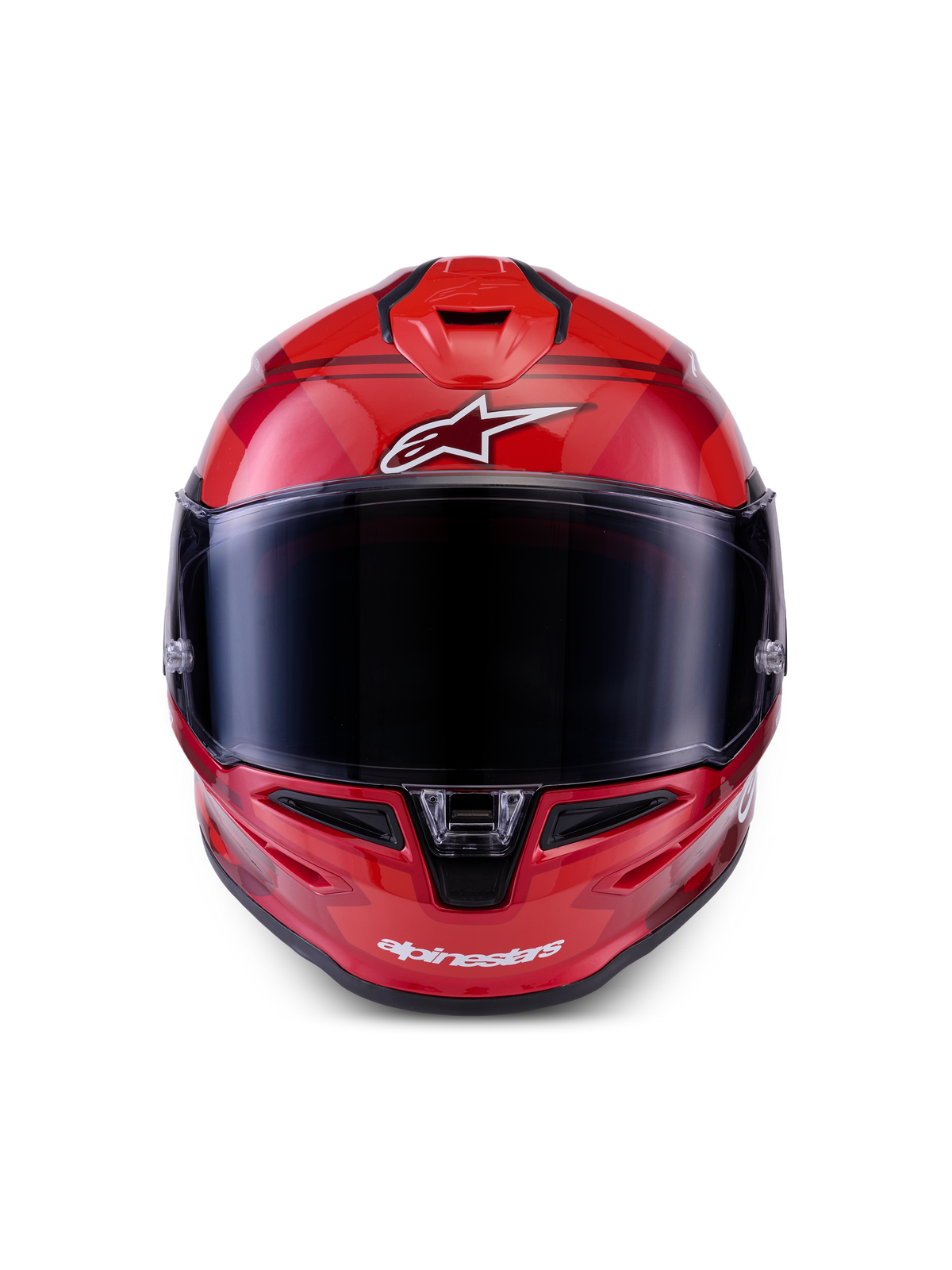
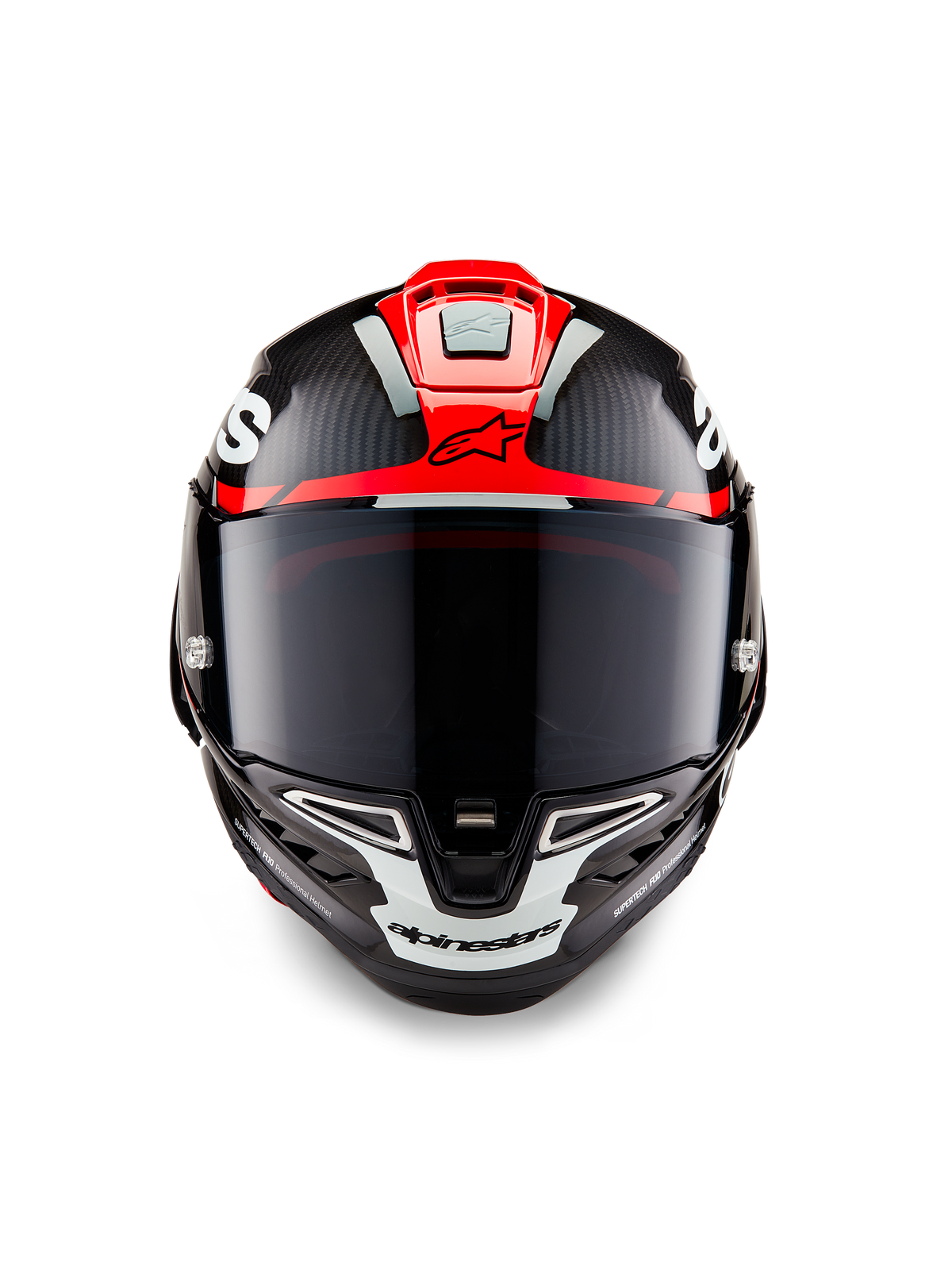
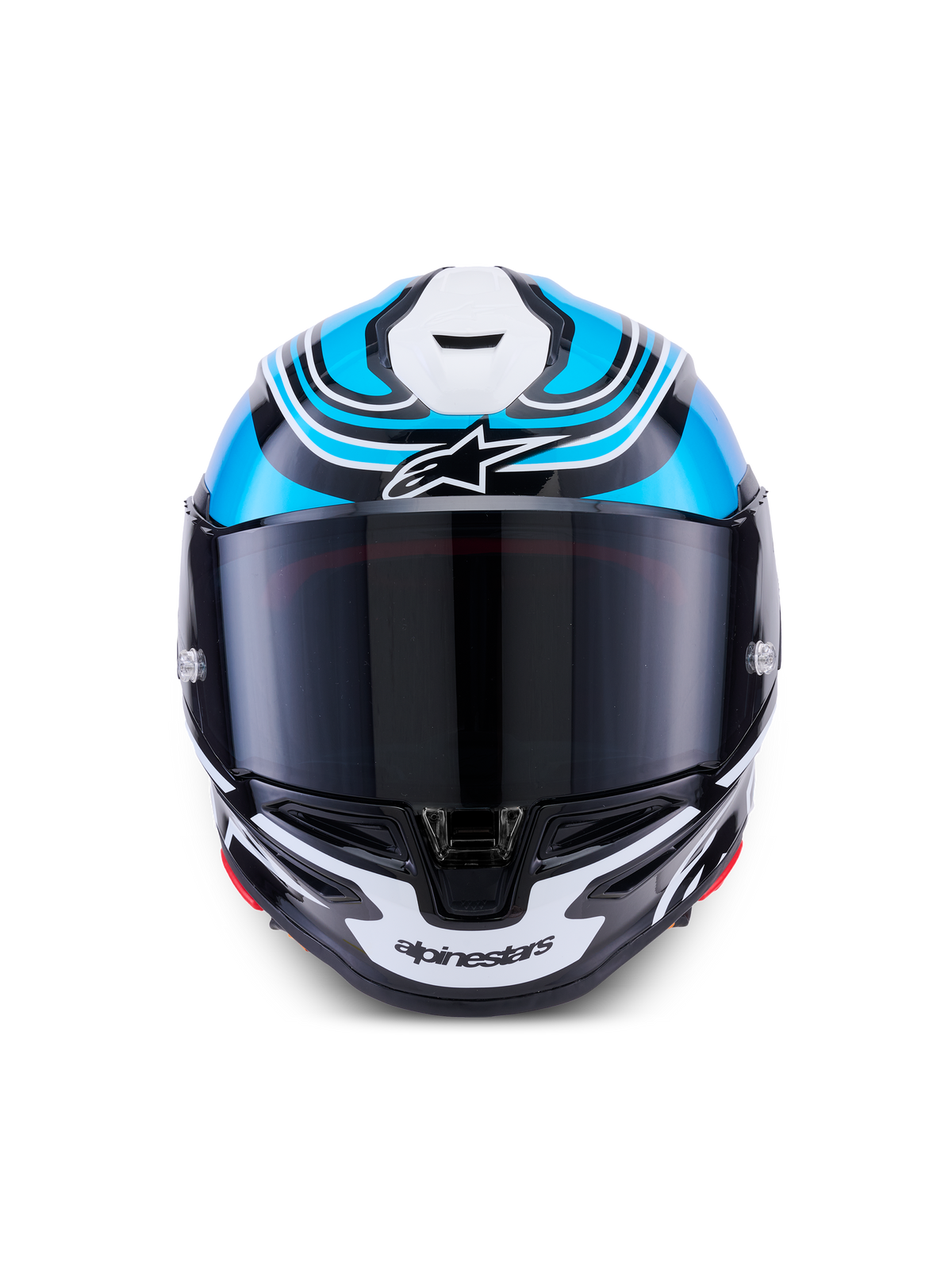
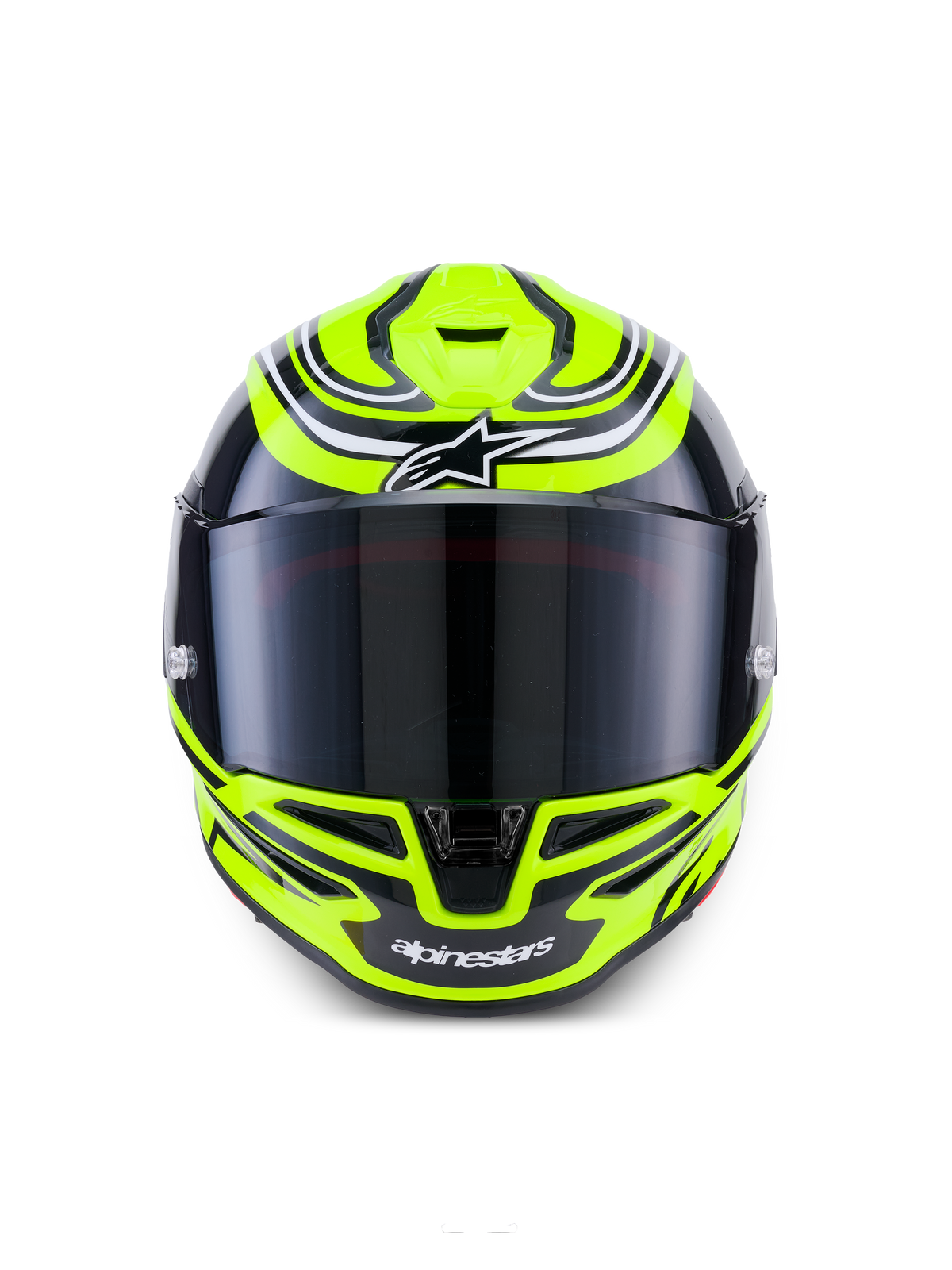
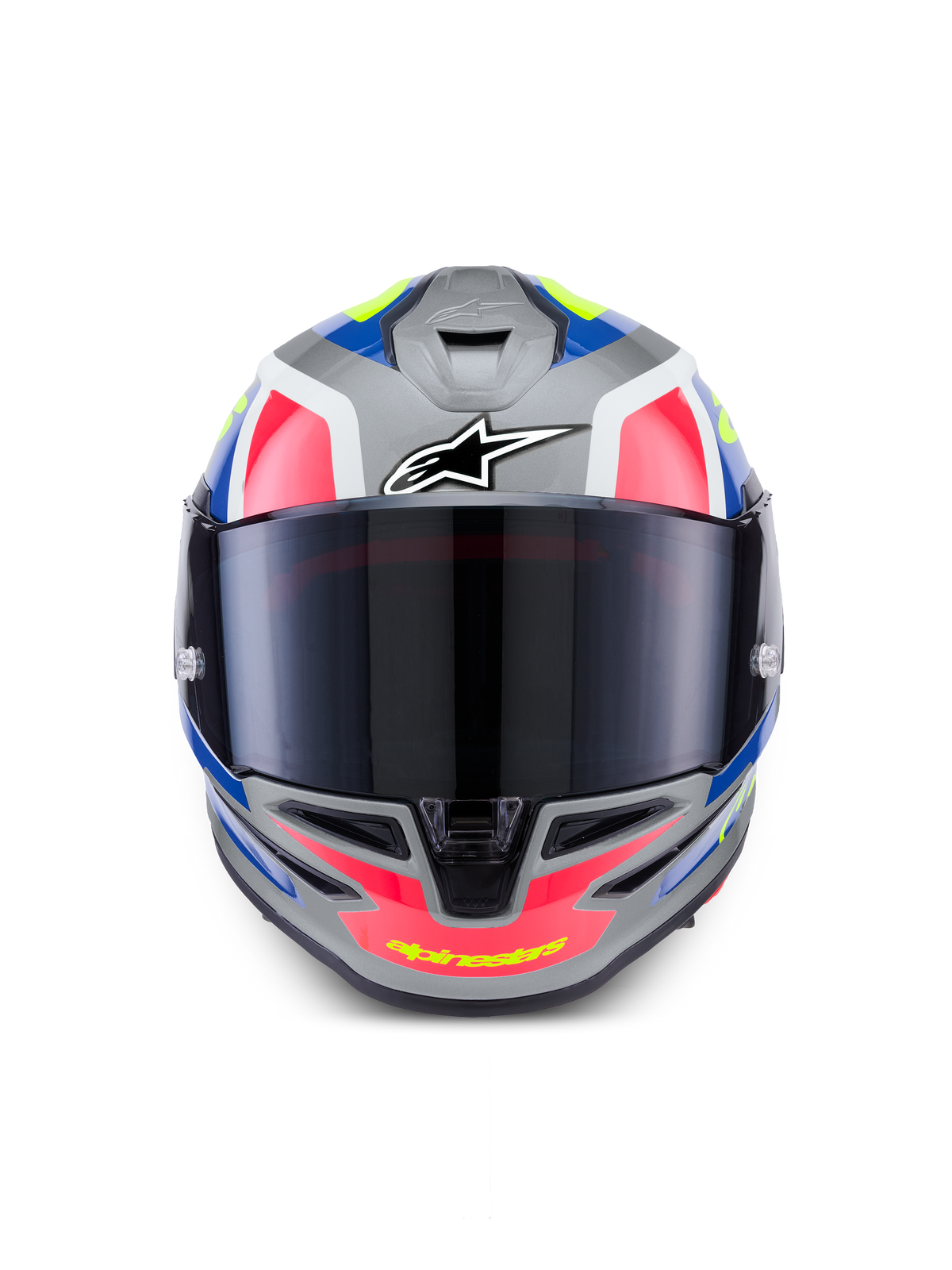
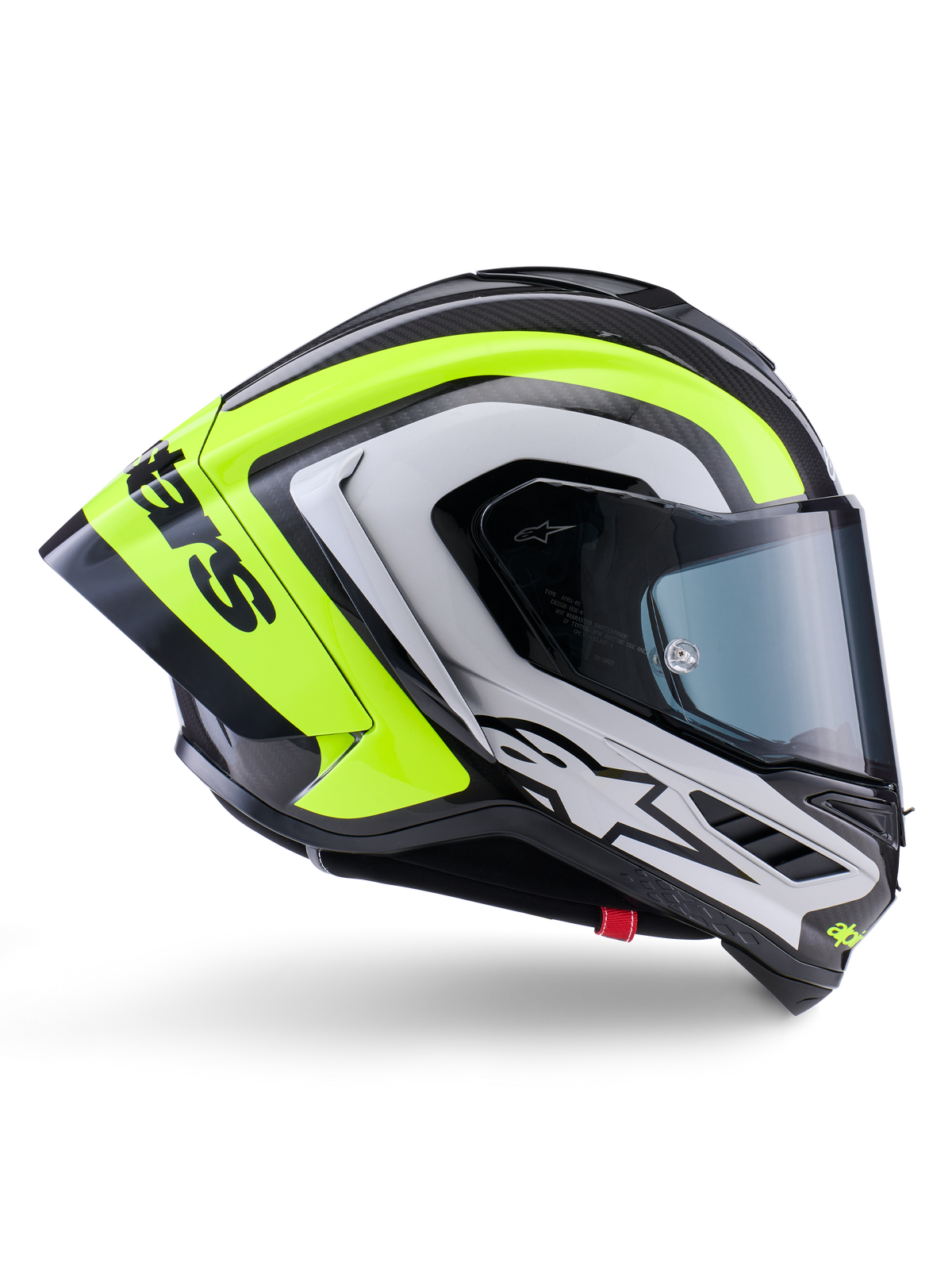
Supertech R10 Team Helmet -
Supertech R10 Team Helmet -
S-R7 Solid Helmet -
A-Connect Communication System -
S-R7 A-Core Helmet -
S-R7 Solid Helmet -
Supertech R10 Element Helmet -
Supertech R10 Solid Helmet -
S-R7 Kinetis Helmet -
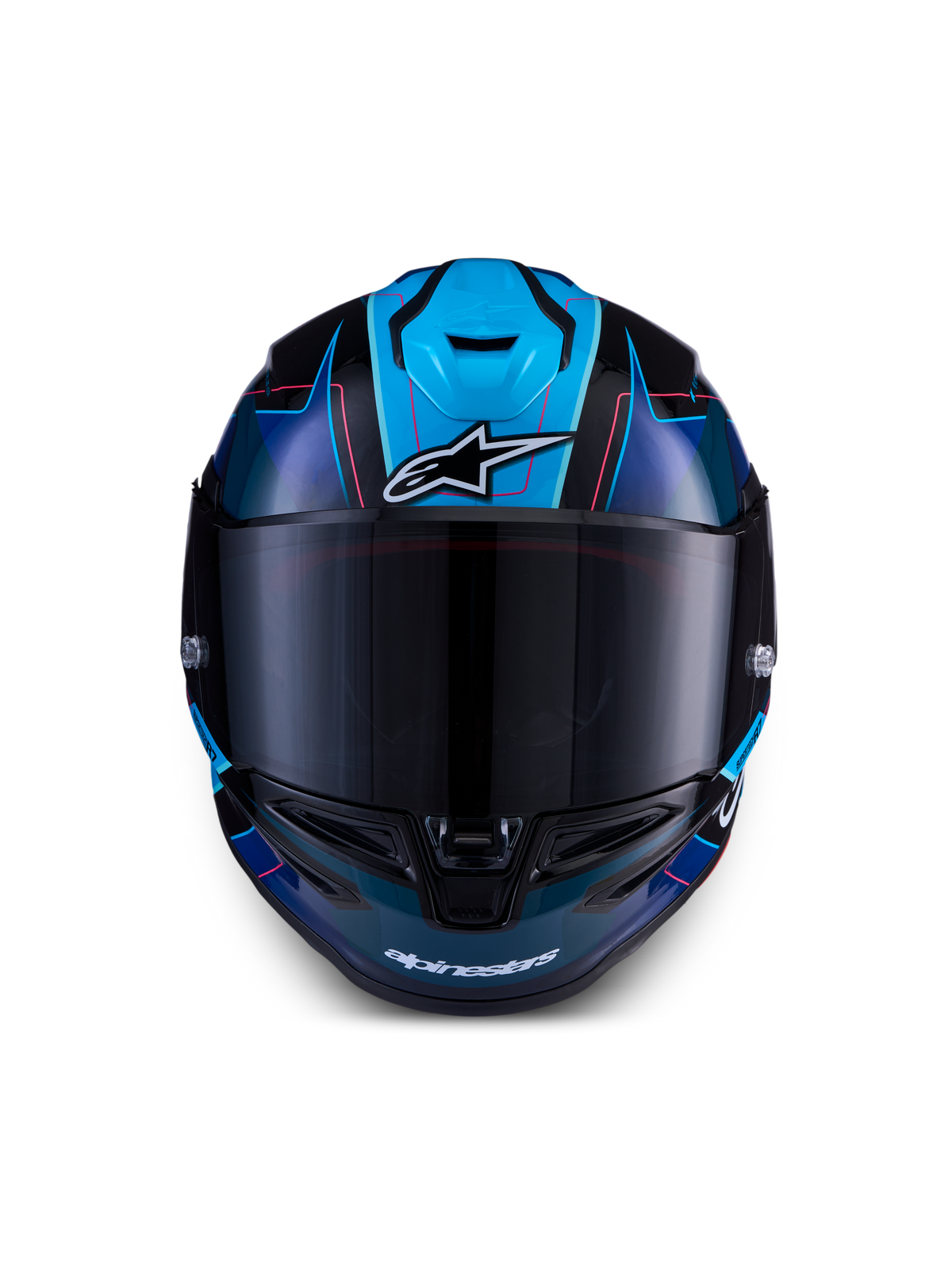
S-R7 Lumen Helmet -
S-R7 Kinetis Helmet -
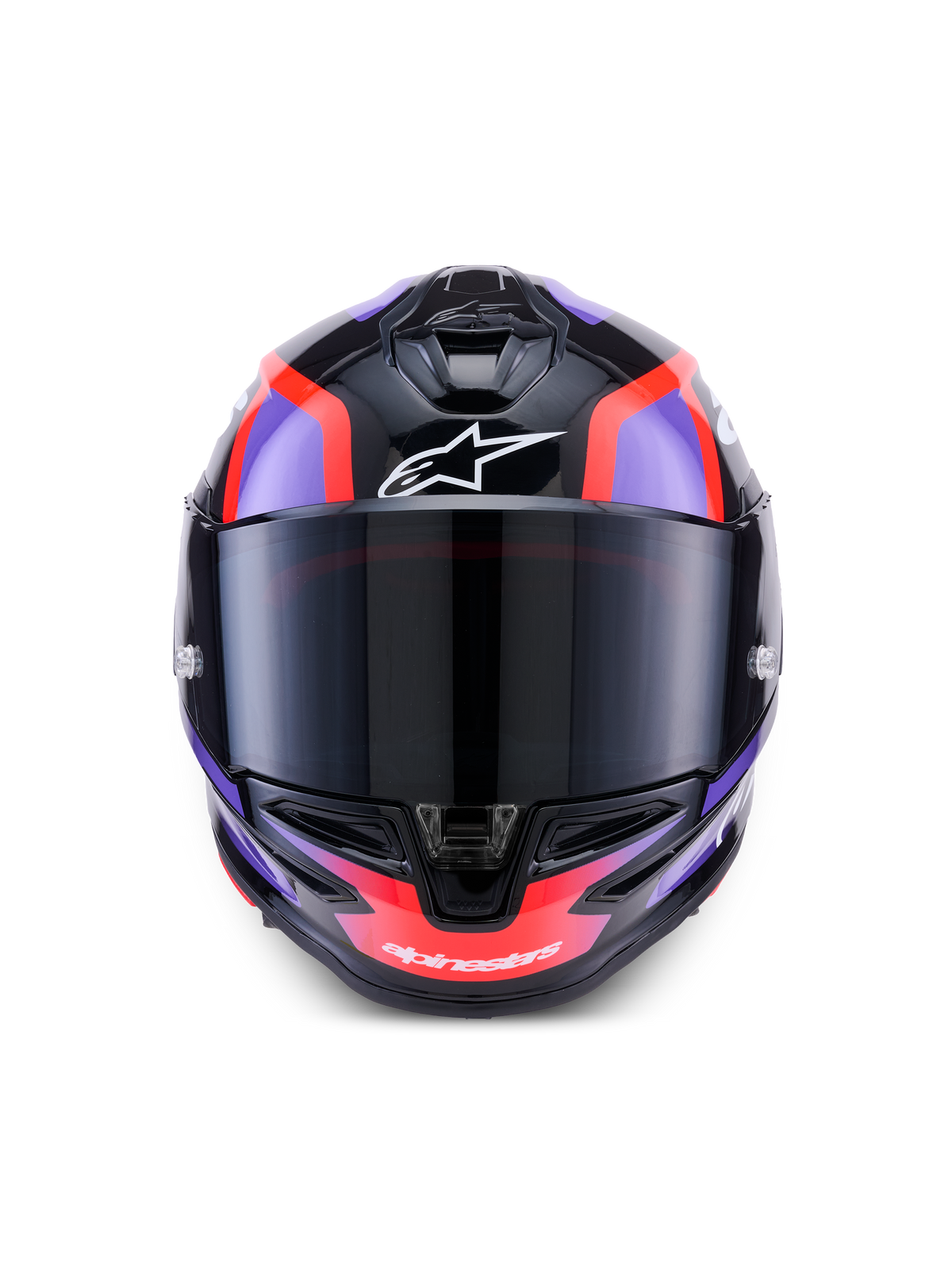
S-R7 Zeal Helmet -
S-R7 Zeal Helmet -
S-R7 Lumen Helmet -
Supertech R10 Arius Helmet -
Supertech R10 Arius Helmet -
Limited Edition Supertech R10 Martinator Thai Helmet -
Supertech R10 Miller Limited Edition Helmet -
Supertech R10 Acosta Limited Edition Helmet -
Supertech R10 Limited Edition Flyte Helmet -
Supertech R10 Arius Helmet -
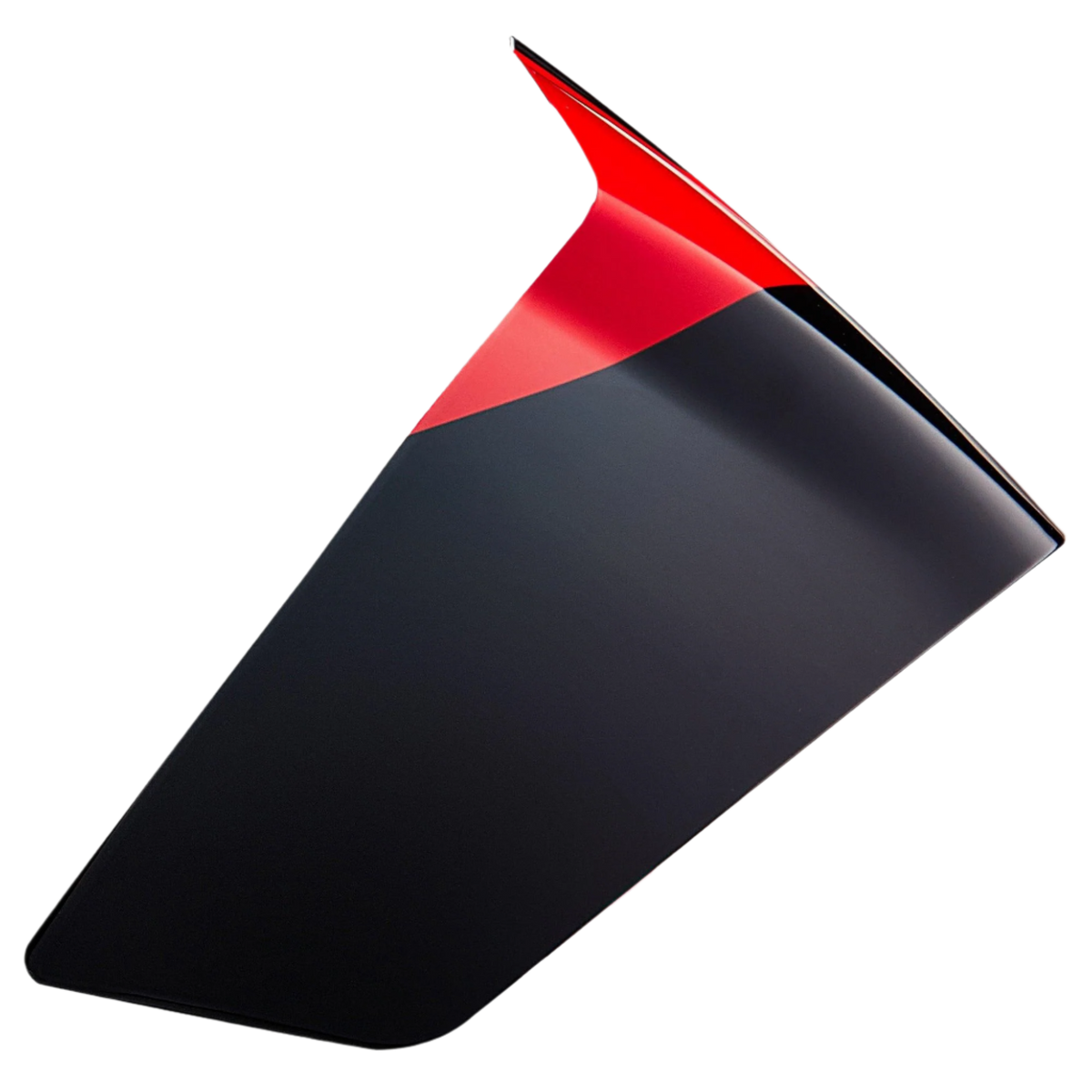
Supertech R10 Solid Race Spoiler -
Supertech R10 Solid Standard Spoiler -
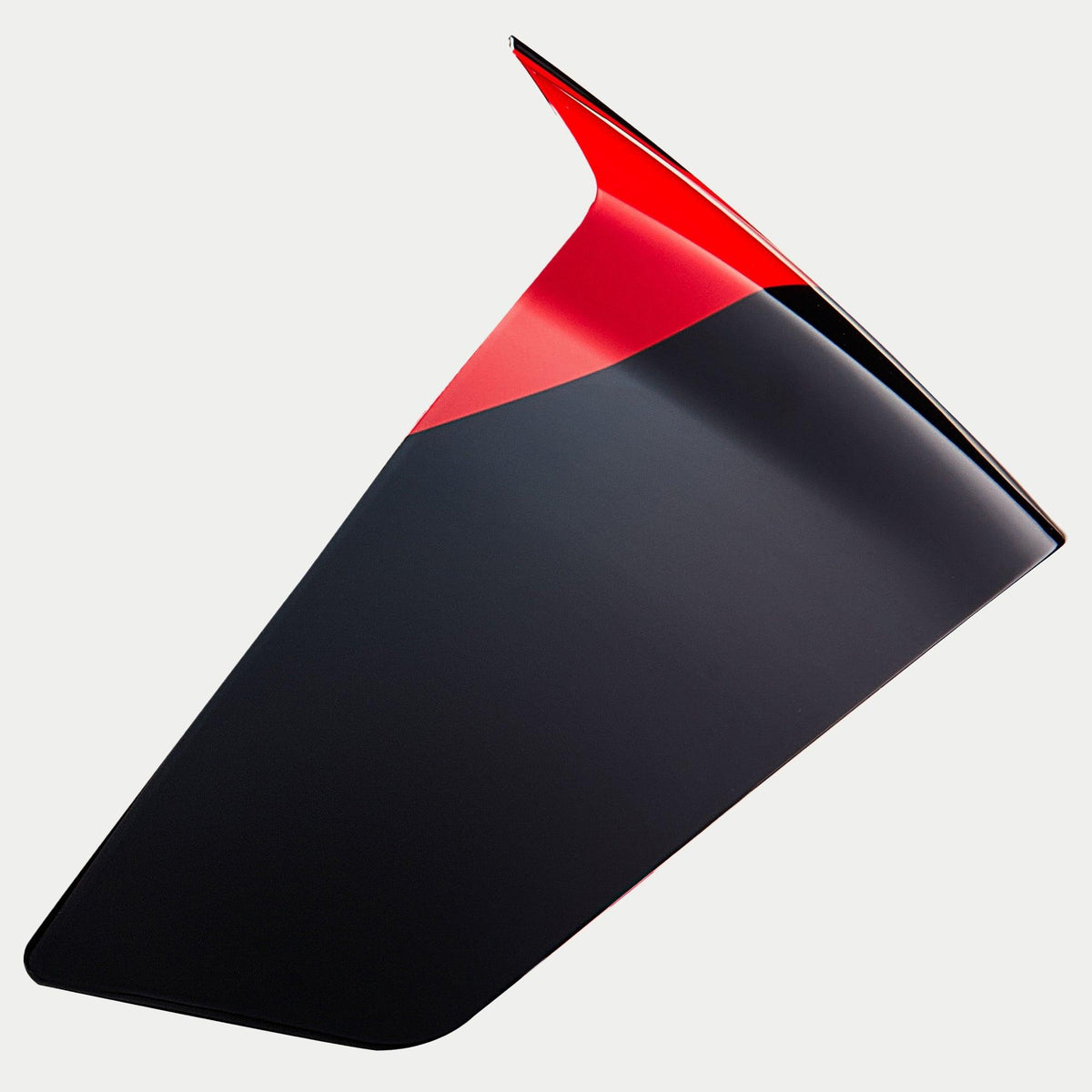
Supertech R10 Solid Race Spoiler -
Supertech R10 Solid Standard Spoiler -
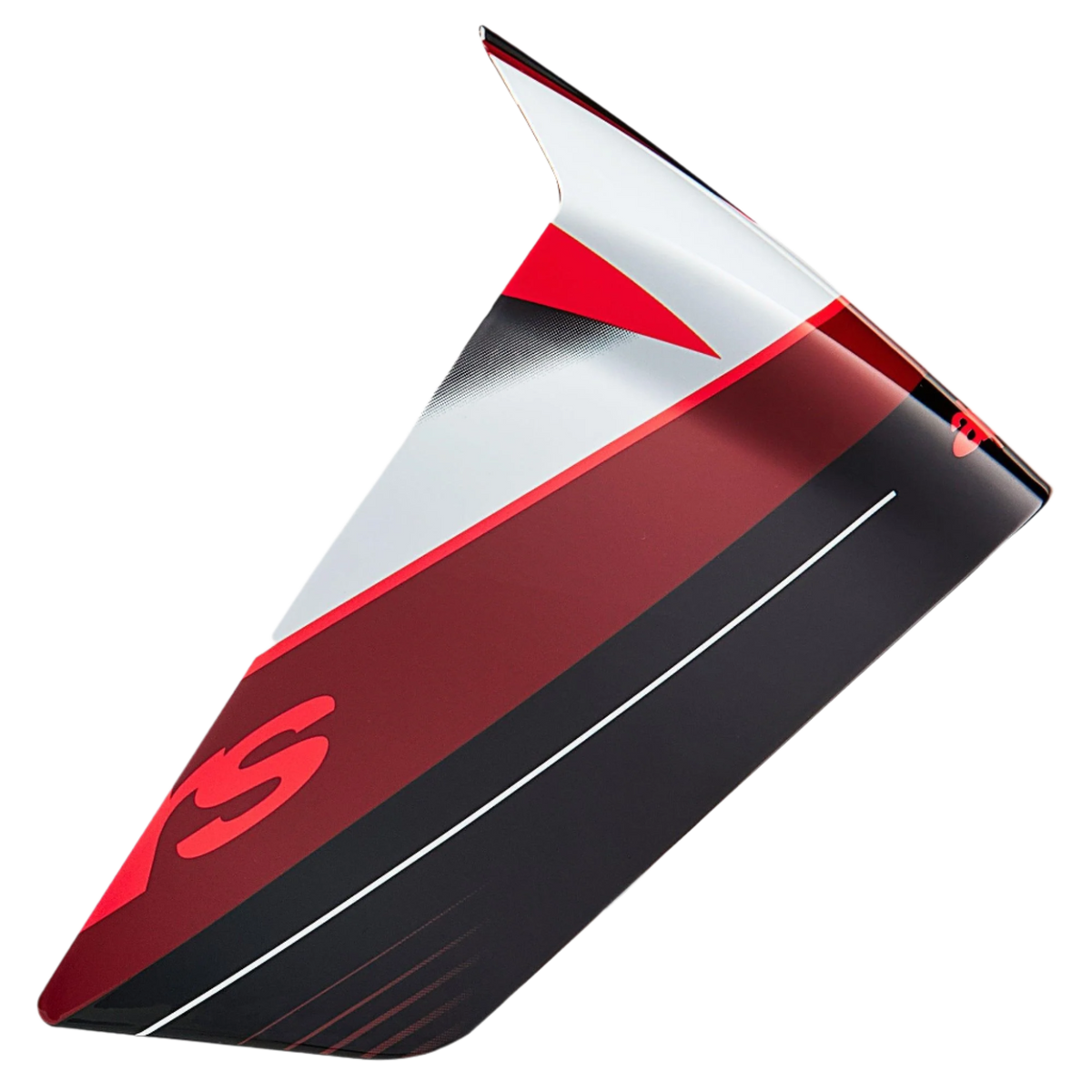
Supertech R10 Team Race Spoiler -
Supertech R10 Team Standard Spoiler -
Supertech R10 Element Race Spoiler -
Supertech R10 Element Standard Spoiler -
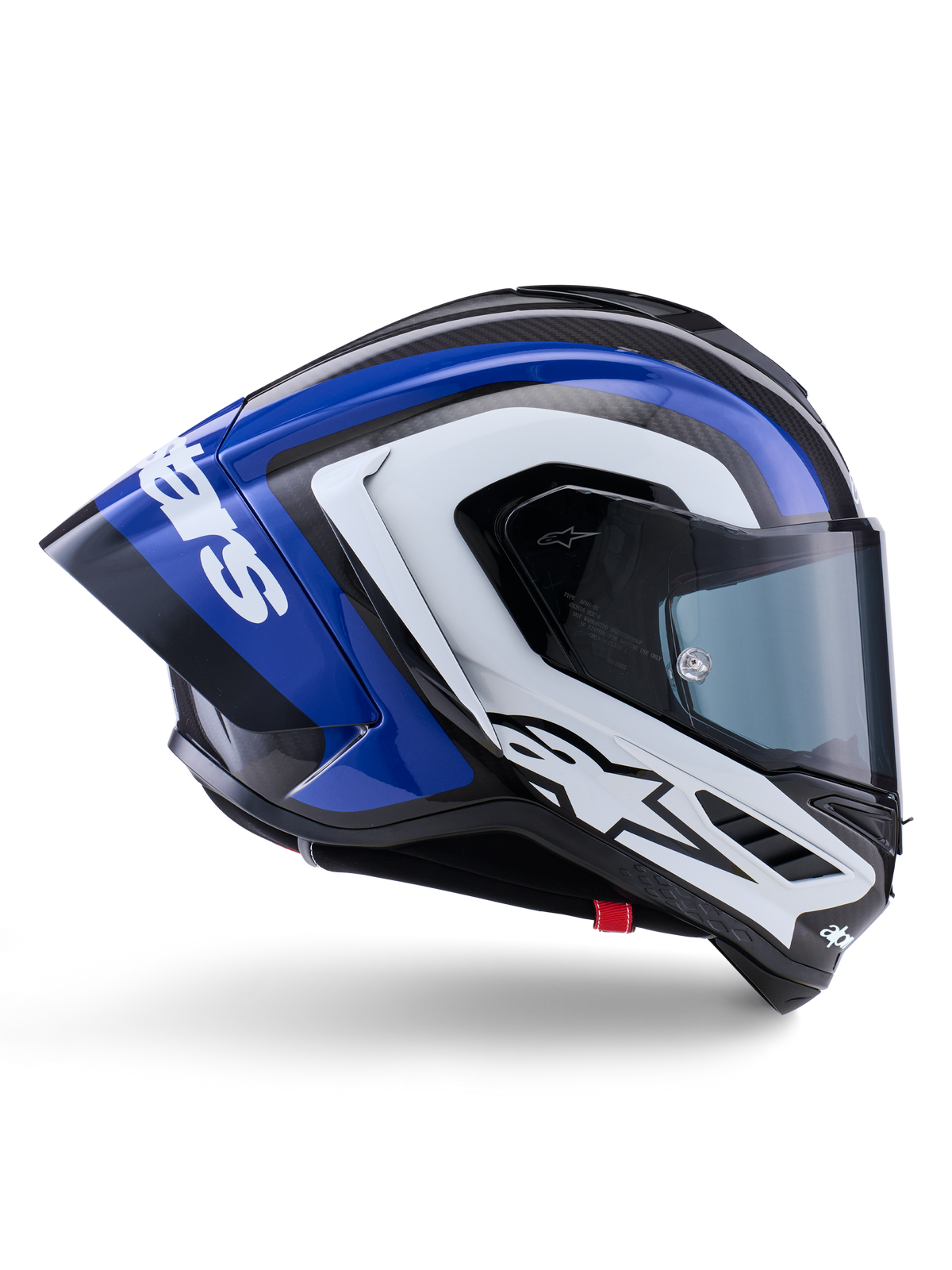
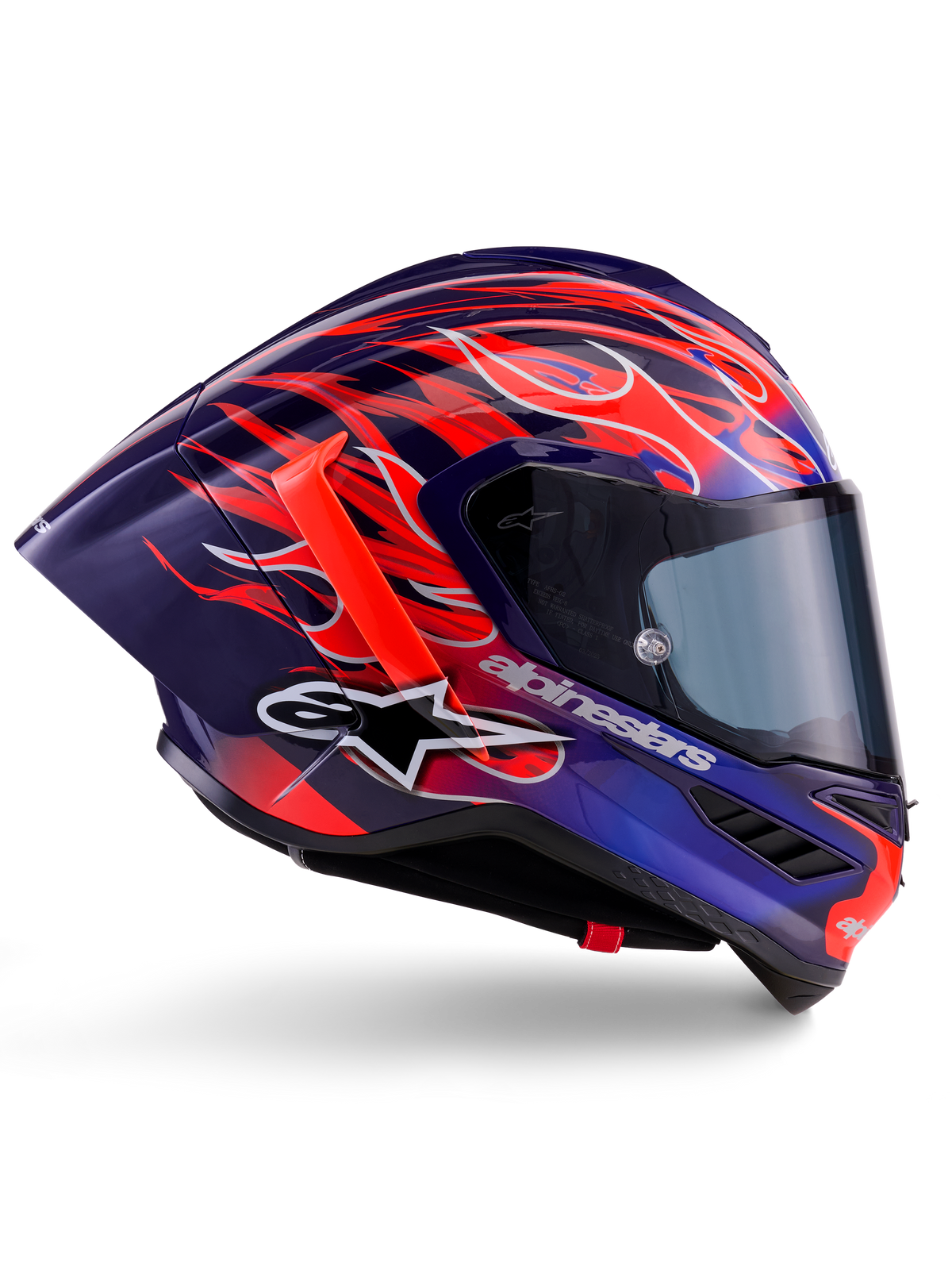
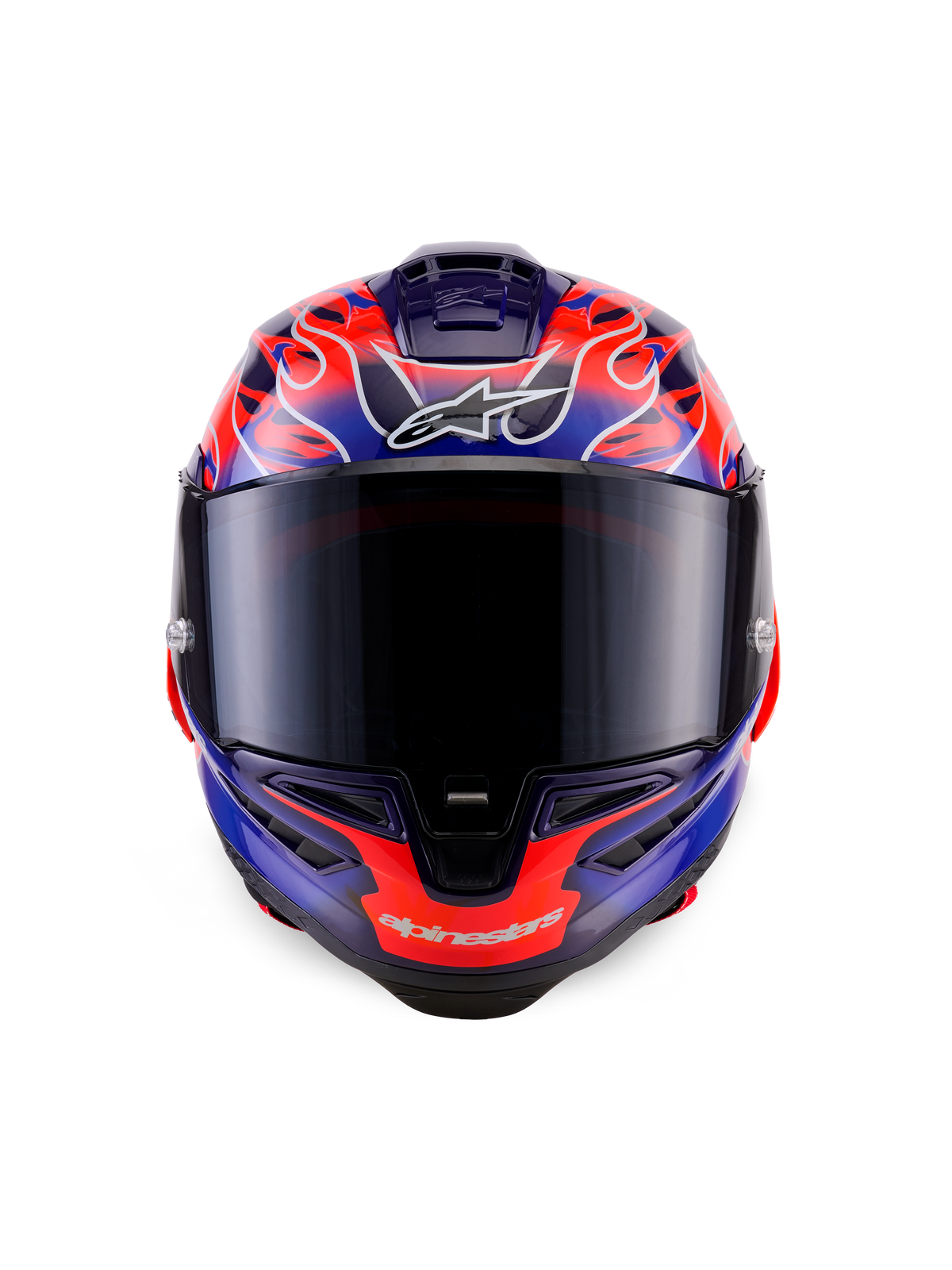
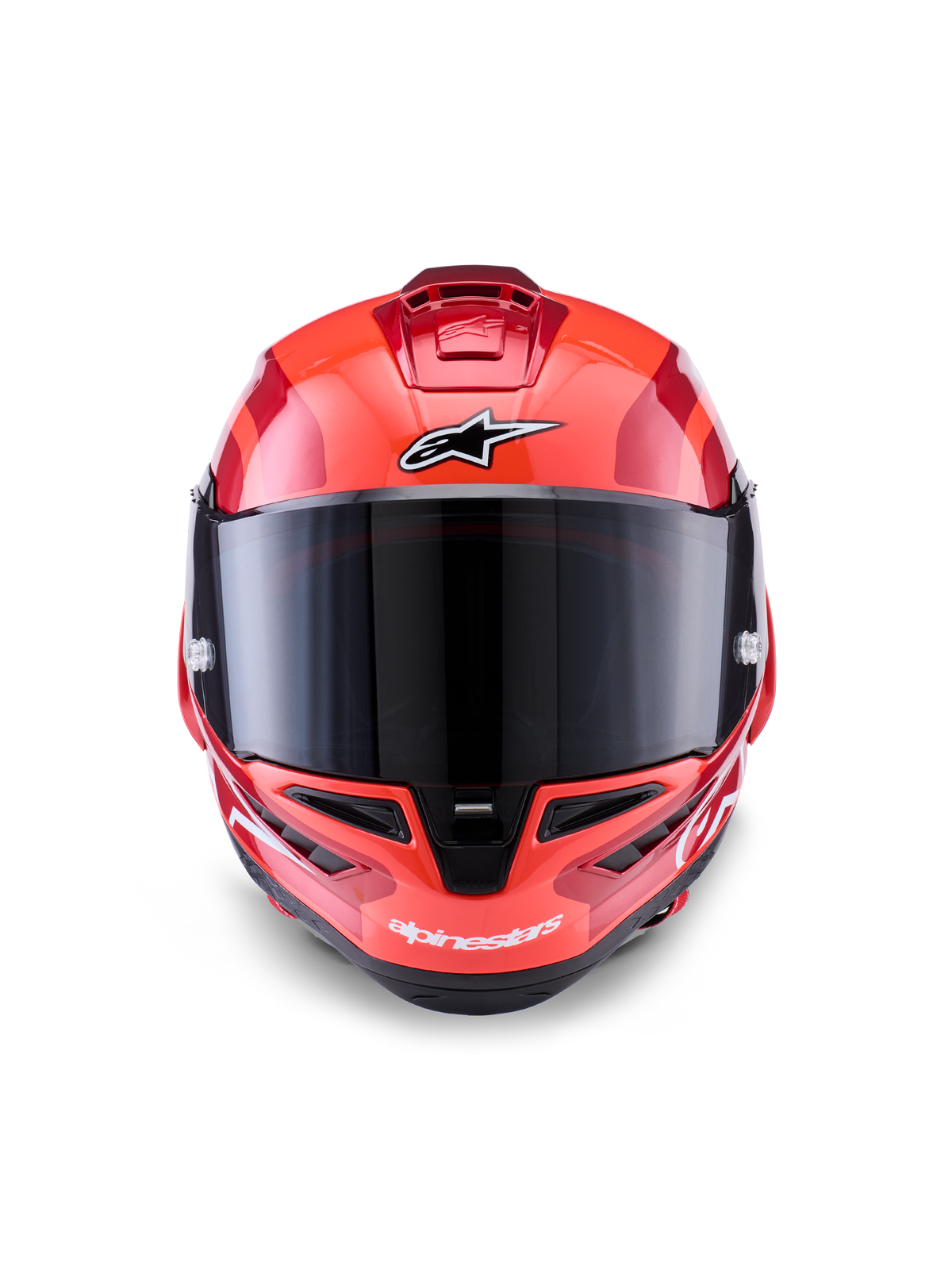
Supertech R10 Element Race Spoiler








































Frequently asked questions Hide FAQs
What types of motorcycle helmets are included in this collection?
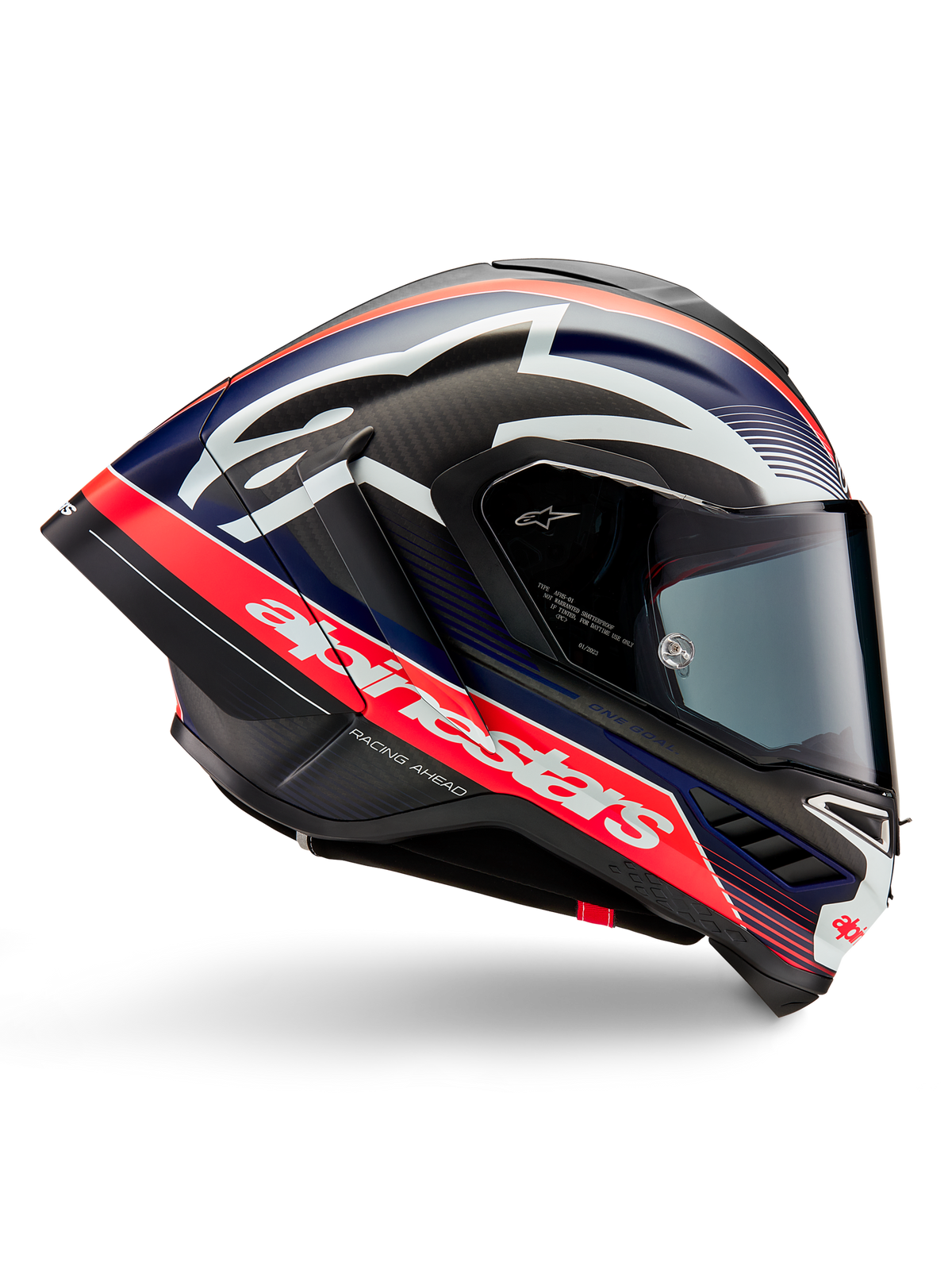
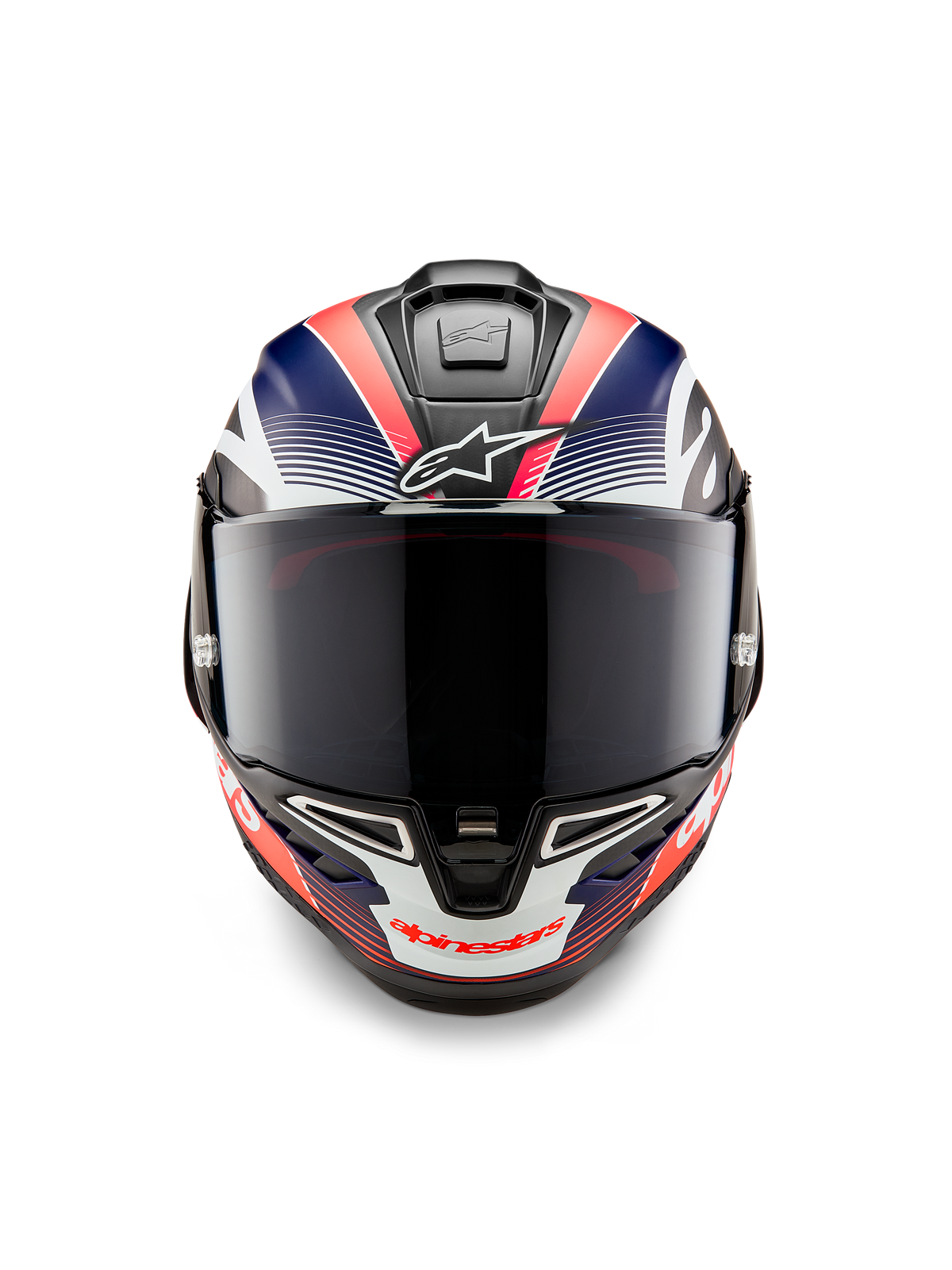
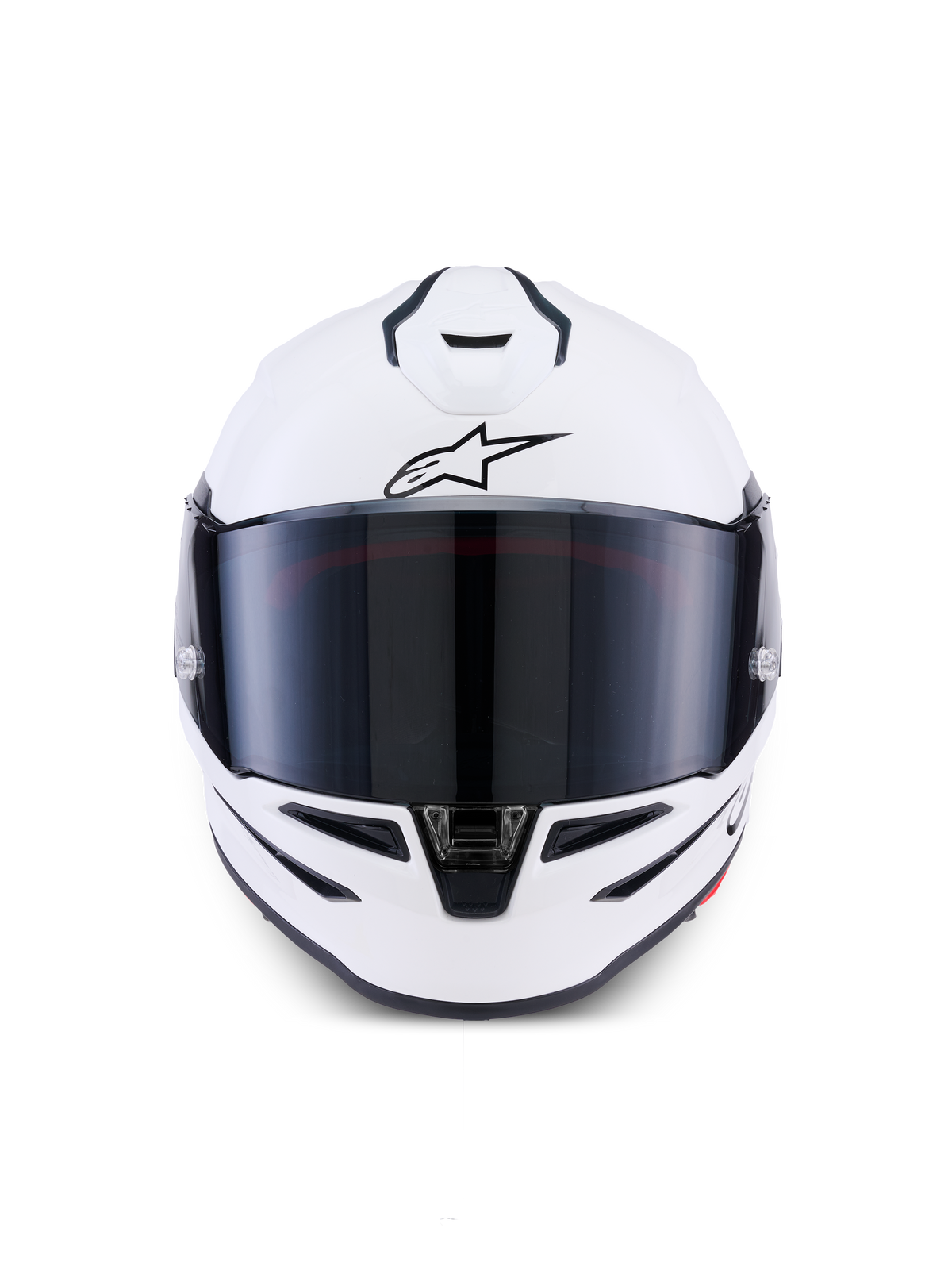
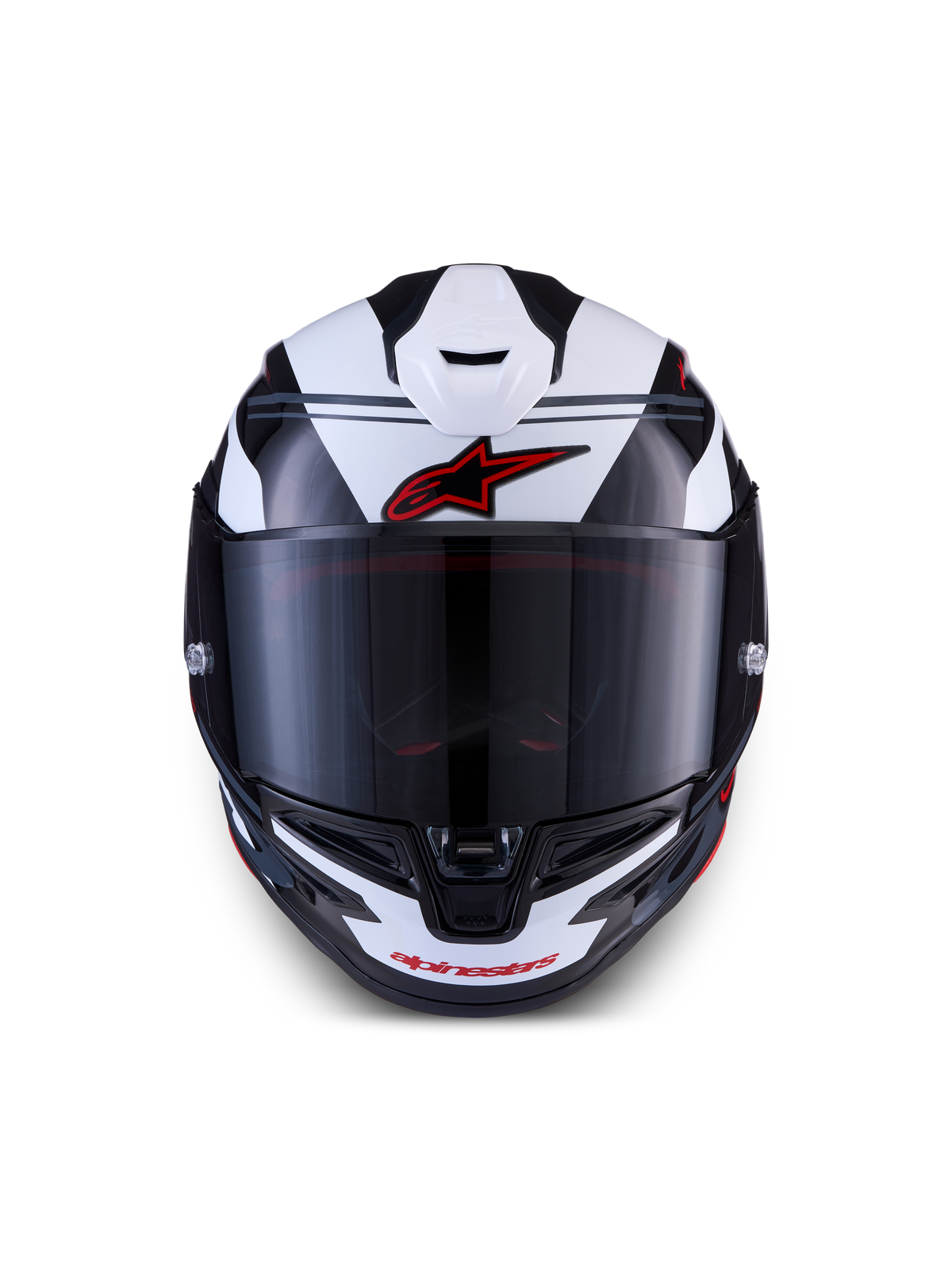
This collection focuses on premium motorcycle helmets designed for road riding, sport riding, and track use. Across the range, riders can compare options built around priorities such as aerodynamic stability, low weight, ventilation efficiency, field of vision, and long-ride comfort.
At collection level, the main differences are typically in riding use, shell construction, ventilation layout, and visor setup. Street riders often look for all-round comfort and everyday practicality, while track-focused riders usually prioritize high-speed stability, race-oriented aerodynamics, and a more aggressive fit.
How should a motorcycle helmet fit?
A motorcycle helmet should fit snugly and evenly around the head without painful pressure points. It should feel secure on the crown and cheeks, and it should not shift excessively when you move your head side to side or up and down.
Measure your head circumference and compare it with the size chart before ordering. A new helmet may feel firm at first, but it should not create hot spots on the forehead or sides of the head. If you are between sizes, check the product size guidance carefully and prioritize a stable, race-ready fit over an initially loose feel.
What safety certifications should I look for in a motorcycle helmet?
For riders shopping this collection, the key certifications to look for are DOT for U.S. road use and, on many premium models, ECE 22.06 for a broader modern test standard. Some track-focused helmets may also carry FIM homologation, which is relevant for certain racing applications and circuit requirements.
The right choice depends on how and where you ride. For everyday street use, riders often start with DOT-compliant helmets. For higher-performance road and track use, many riders also look for ECE 22.06 certification, and racers should confirm whether FIM homologation is required for their series or track-day organizer.
Are these motorcycle helmets suitable for both street riding and track days?
Many motorcycle helmets in this category are designed to cover both street and track-oriented riding, but the best option depends on your main use. Street-focused riders usually prioritize visibility, comfort, ventilation, and manageable noise levels for longer rides, while track riders typically want stronger aerodynamic performance, a stable fit at speed, and a wide eye port for tucked riding positions.
If you split time between road and circuit use, compare helmet features such as shell weight, spoiler design, airflow management, visor system, and certification level. For riders building a complete setup, it can also help to pair a helmet choice with the rest of your road motorcycle gear.
Can I use glasses, Pinlock inserts, or communication systems with motorcycle helmets in this collection?
Compatibility varies by helmet design, but many modern motorcycle helmets are built to support practical add-ons and comfort features. Depending on the model, riders may find eyewear-friendly interior shaping, Pinlock-ready visor systems for improved fog management, and space or accessory support for communication integration.
Because these features are not universal across every helmet, always check the product page for the exact visor, anti-fog, and communication details before buying. This is especially important if you ride year-round, wear prescription glasses, or plan to install a comms unit for touring or daily use.
When should I replace a motorcycle helmet?
A motorcycle helmet should be replaced after any crash or significant impact, even if there is no obvious external damage. Impact-absorbing liners can be compromised internally, and that damage may not be visible from the outside.
You should also replace a helmet if the shell, EPS liner, visor mechanism, or retention system shows wear, damage, or poor function. For normal use, riders should also follow the product guidance and inspect the helmet regularly for aging of interior materials, reduced fit stability, or deterioration caused by sweat, UV exposure, and repeated use.