
117 results
-
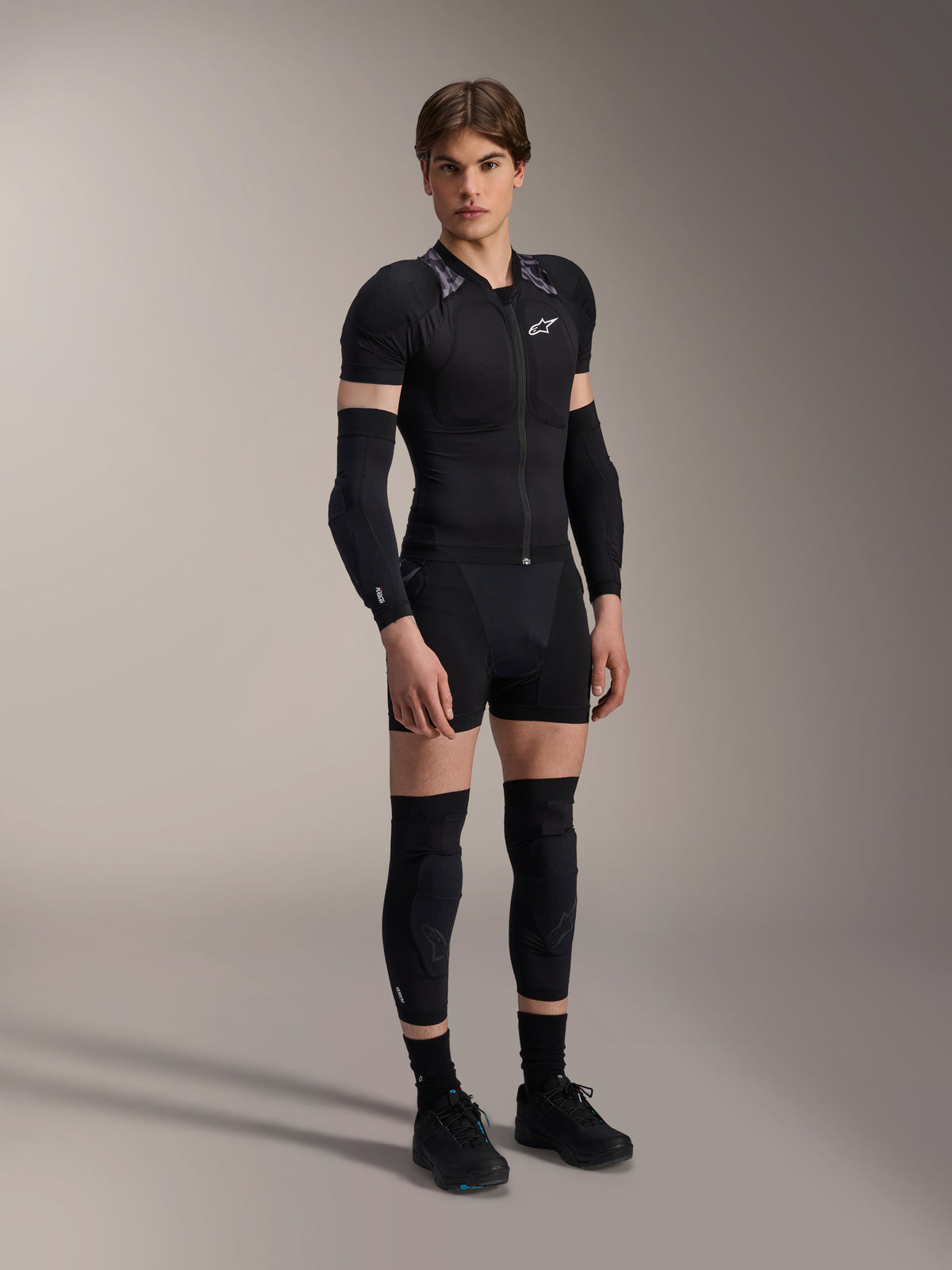
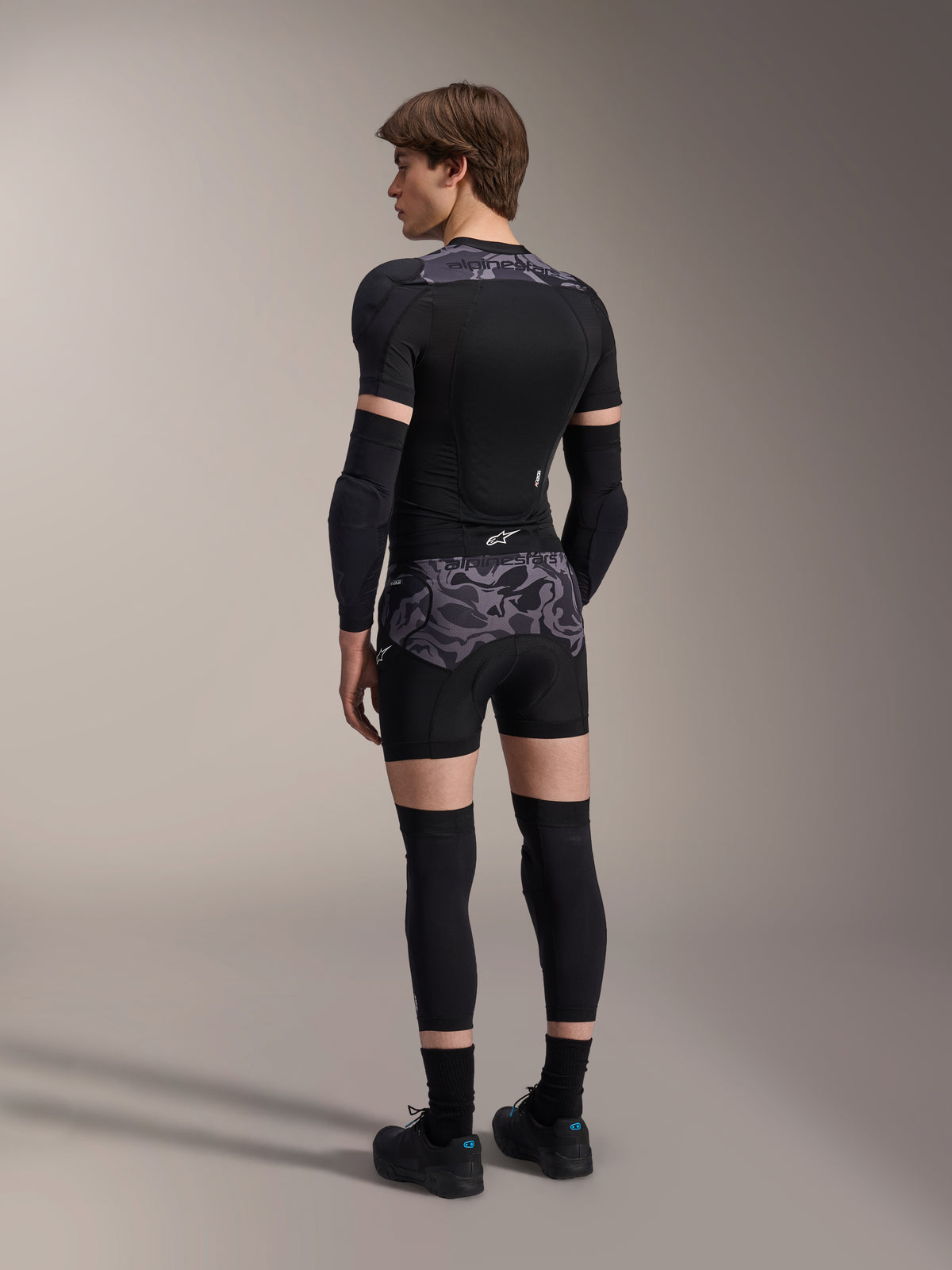
A-Impact Plasma Protection Jacket -
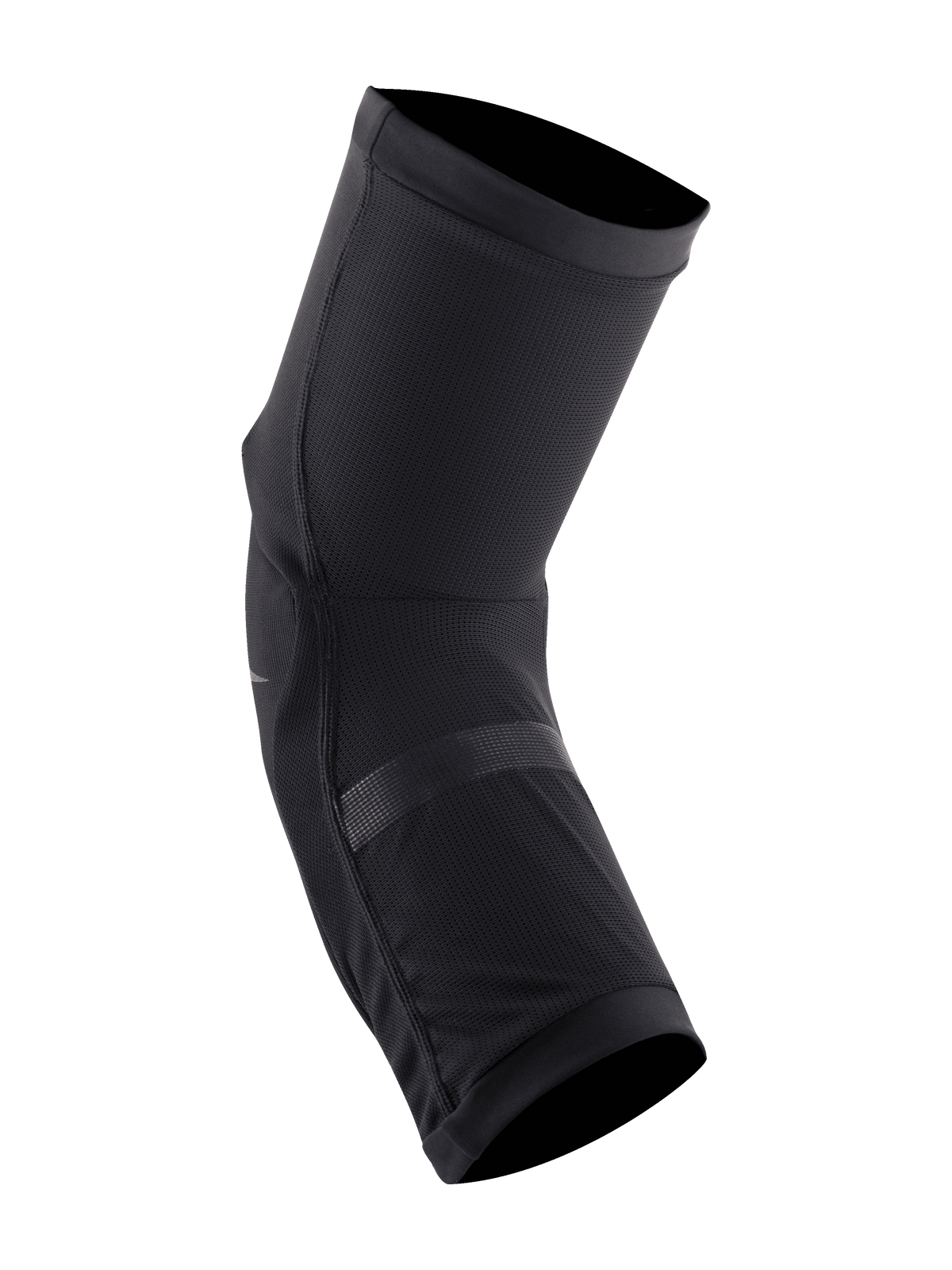
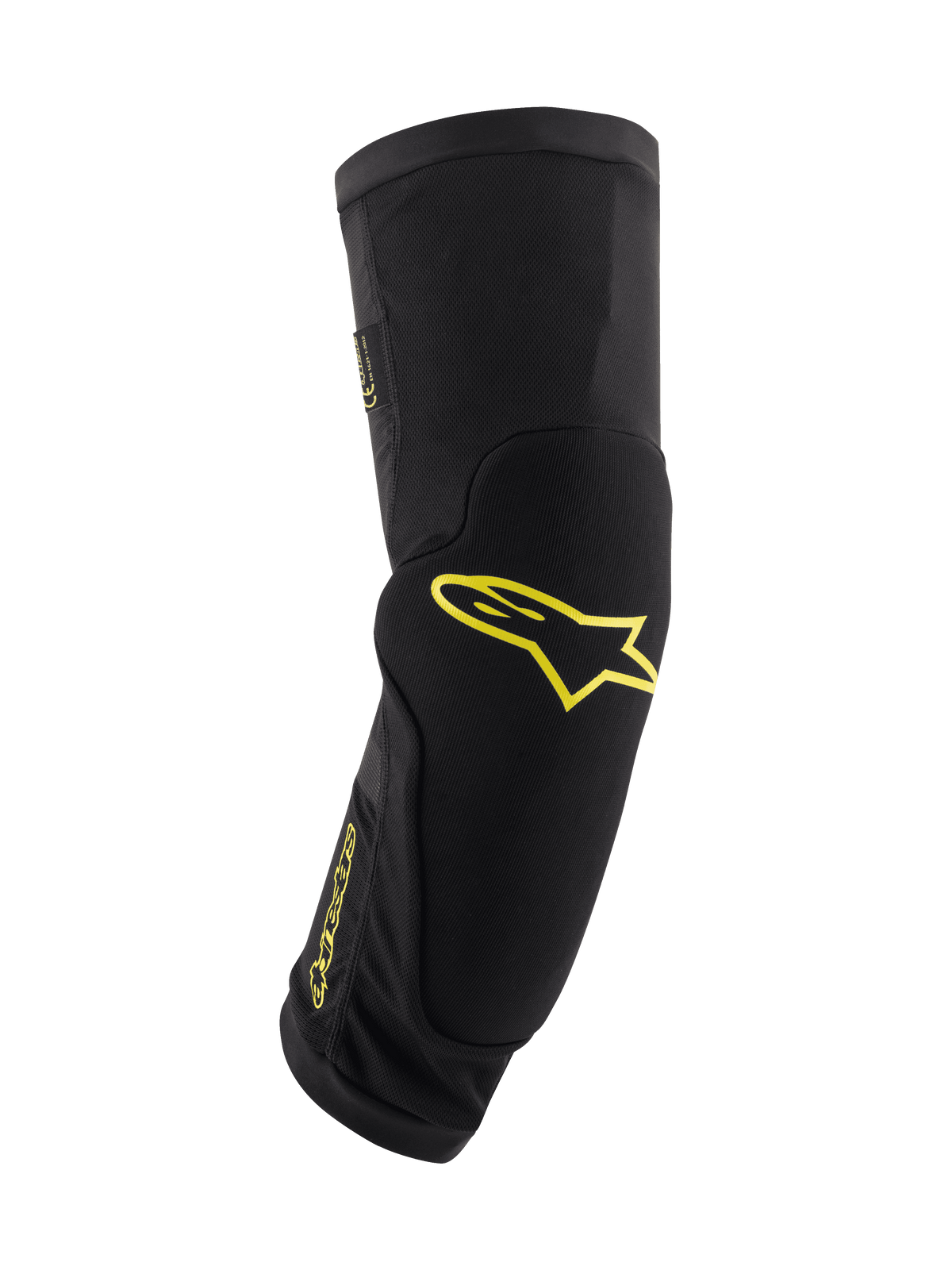
A-Motion Plasma Knee Sleeve -
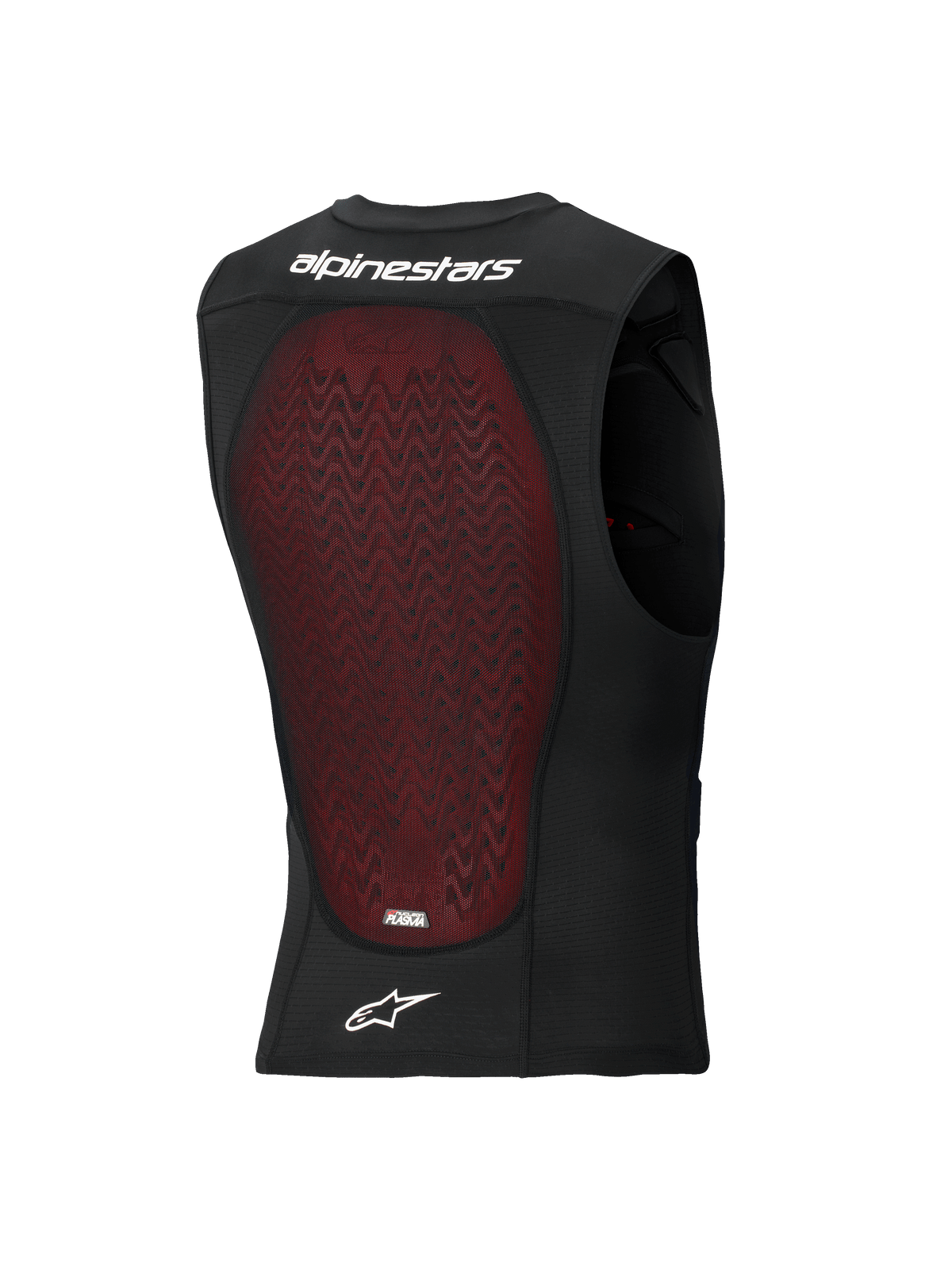
A-Motion Plasma Protection Vest -
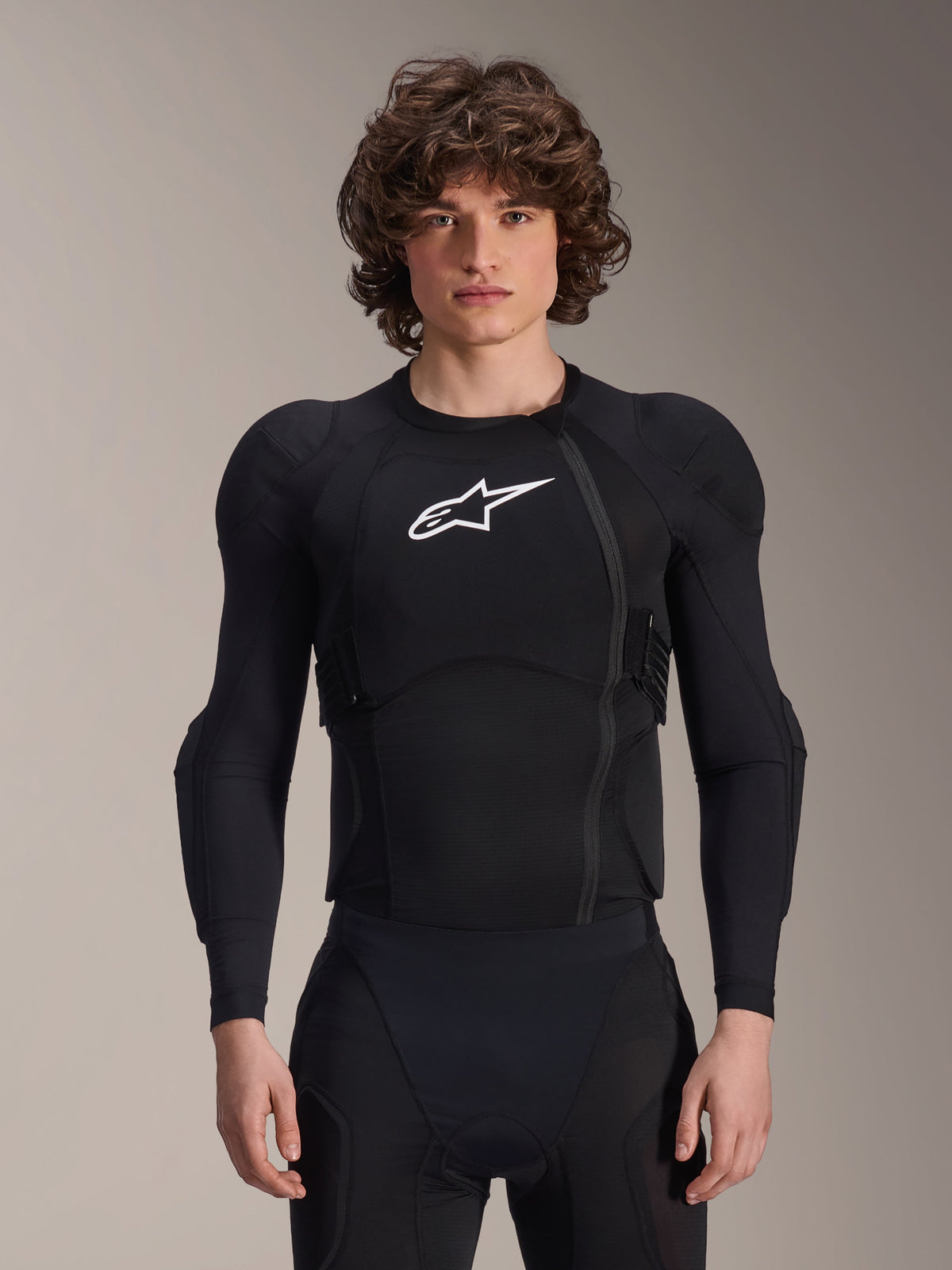
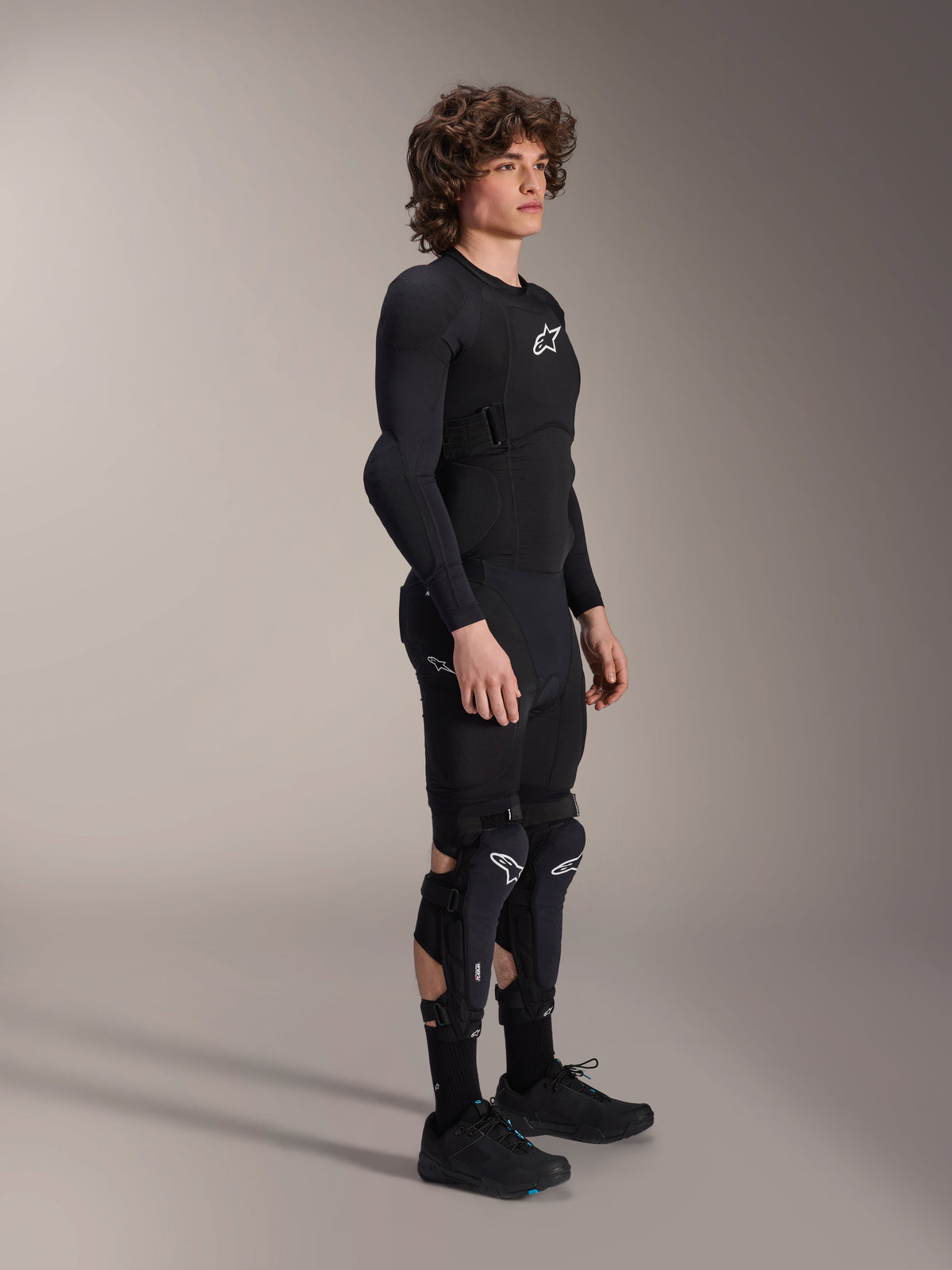
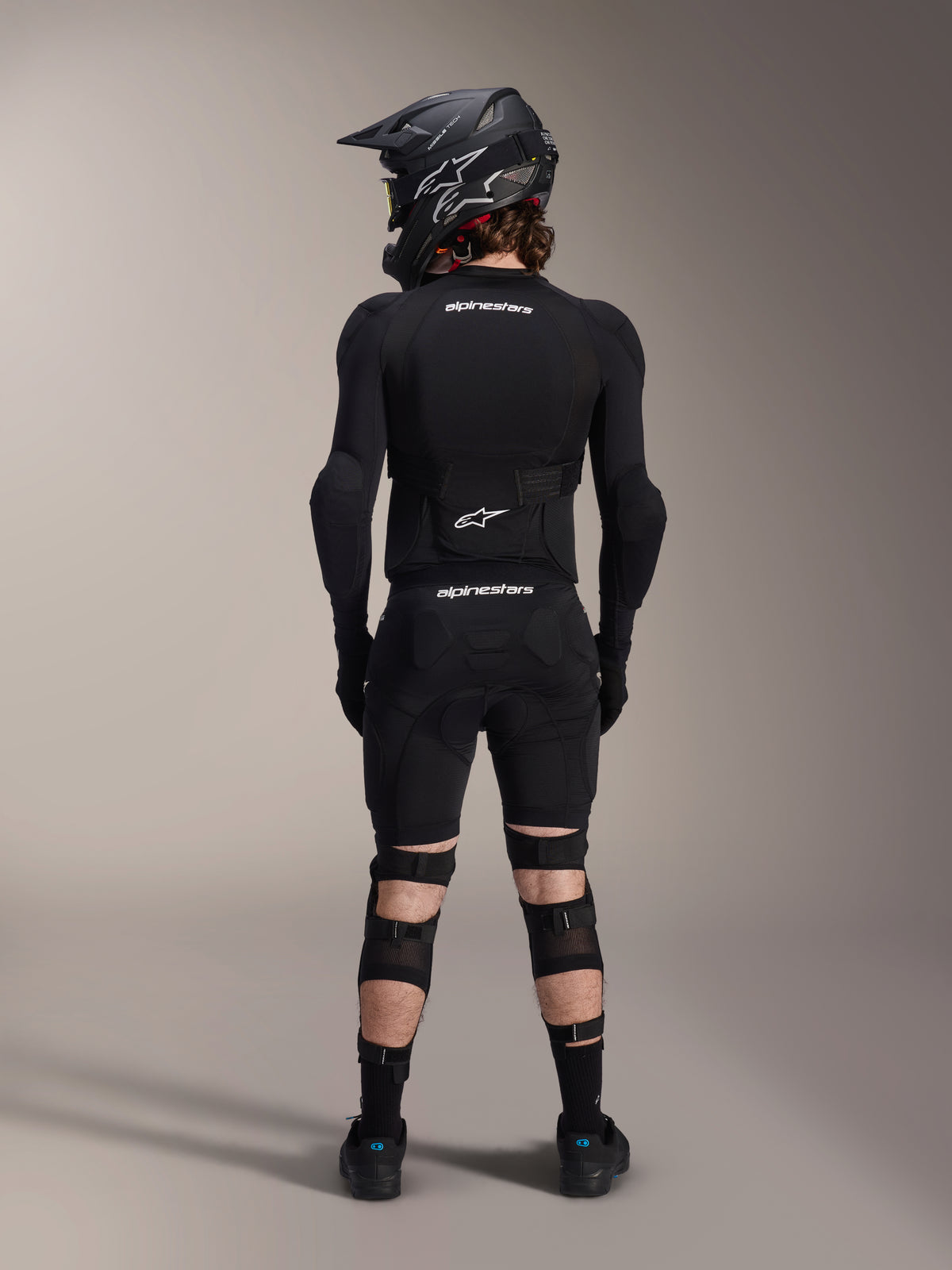
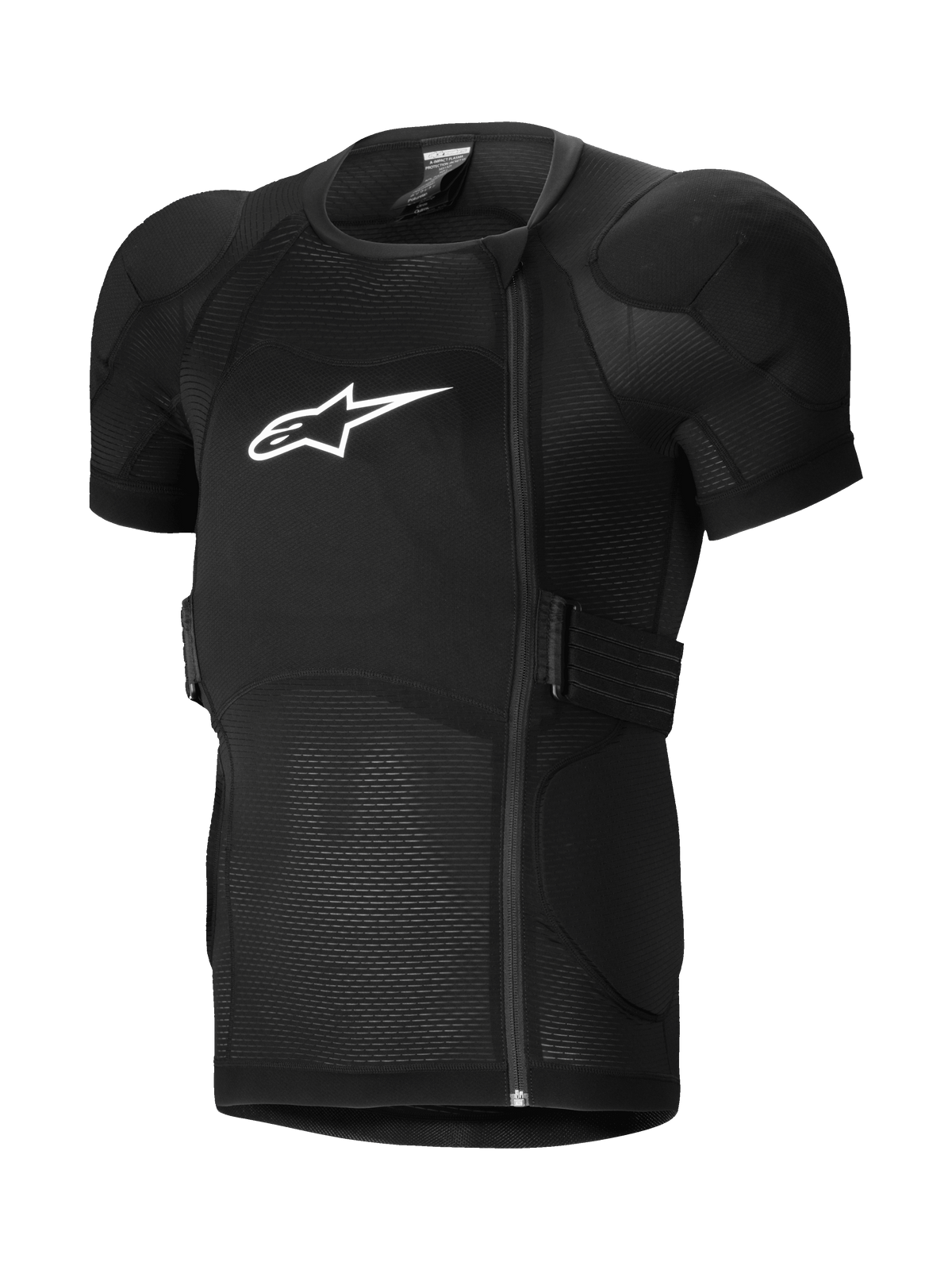
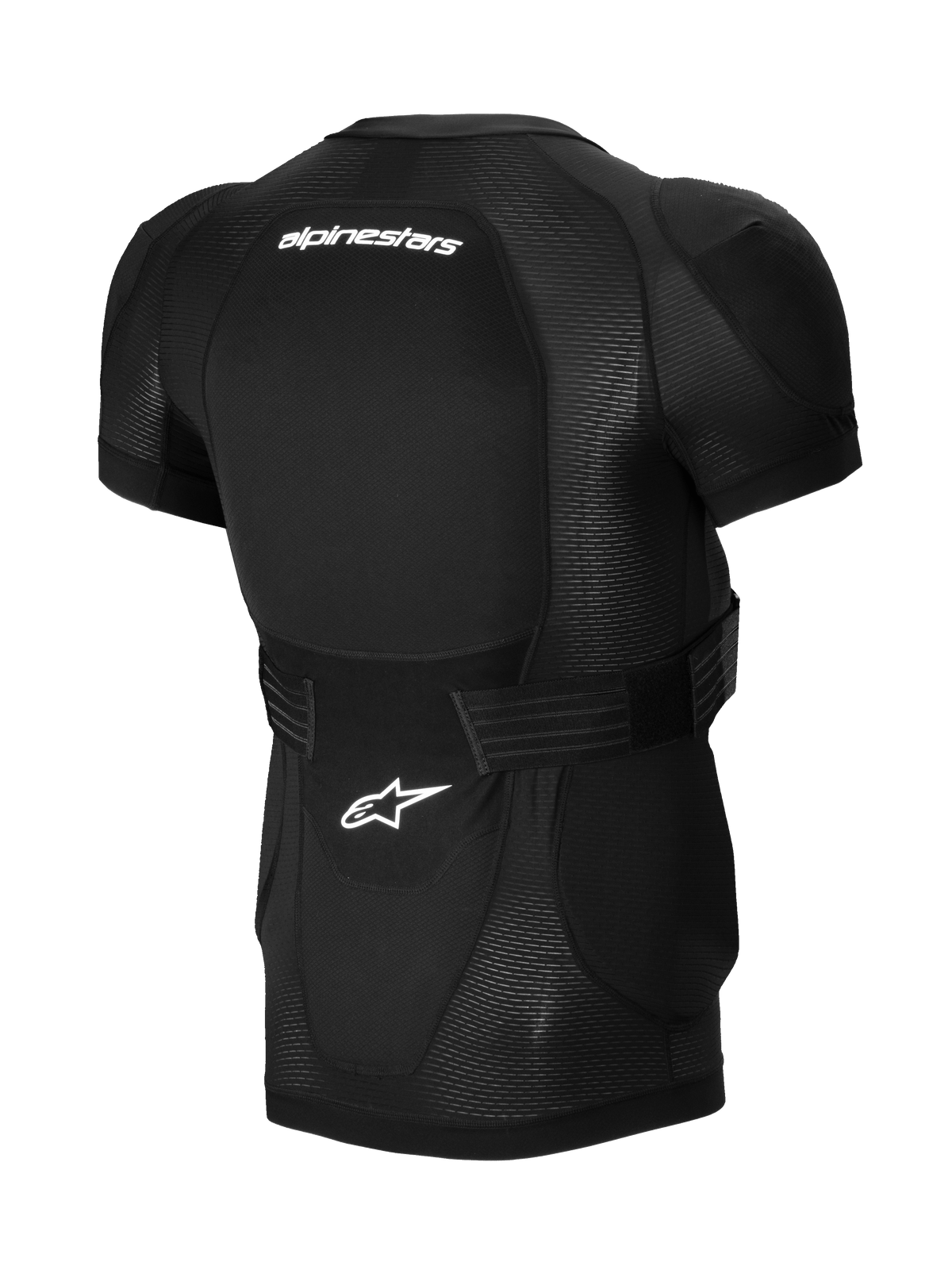
A-Motion Plasma Protection Jacket -
A-Impact Plasma Pro Knee Shin Protectors -
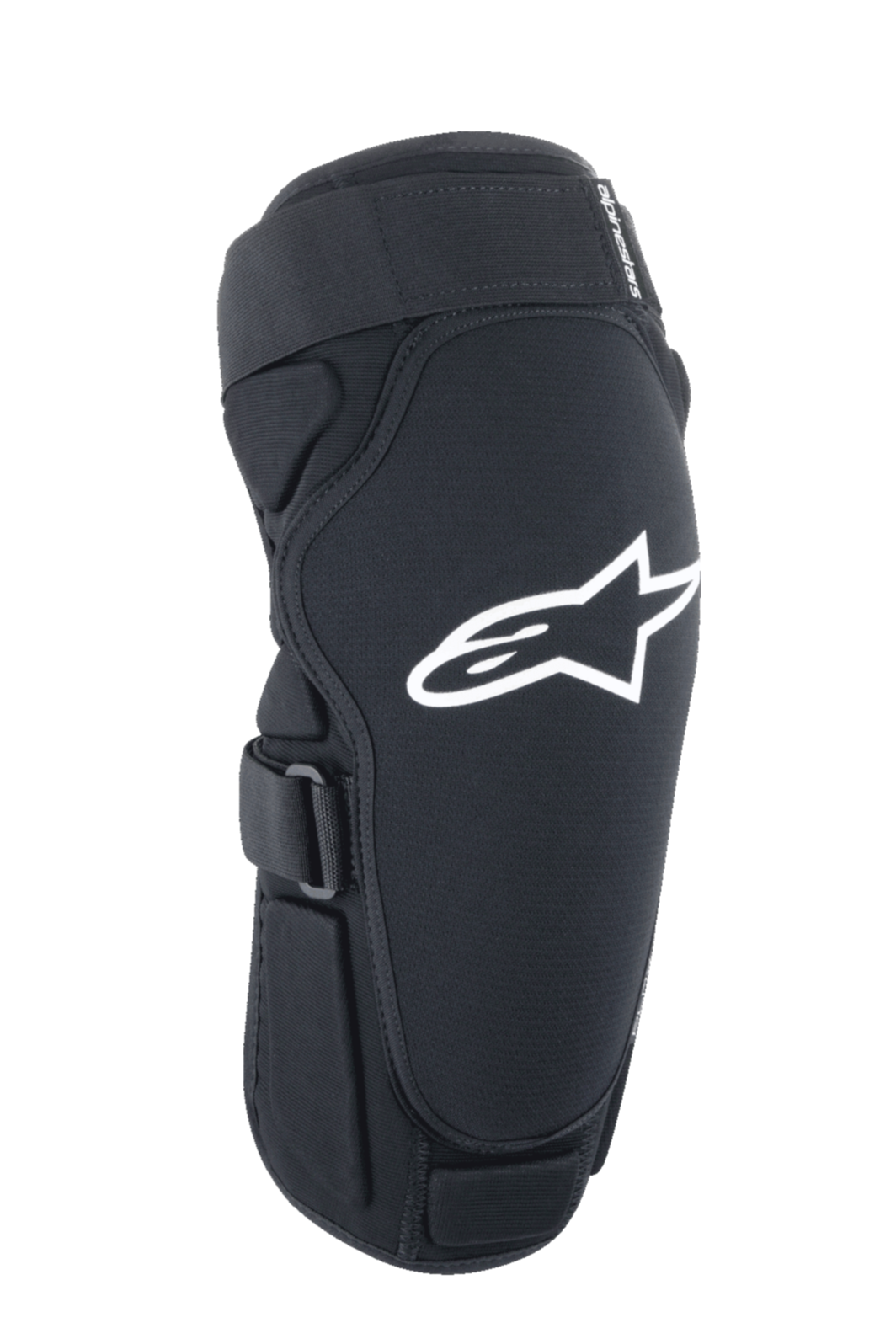
A-Impact Plasma Pro Knee Protectors -
A-Motion Plasma Protection Boxers -
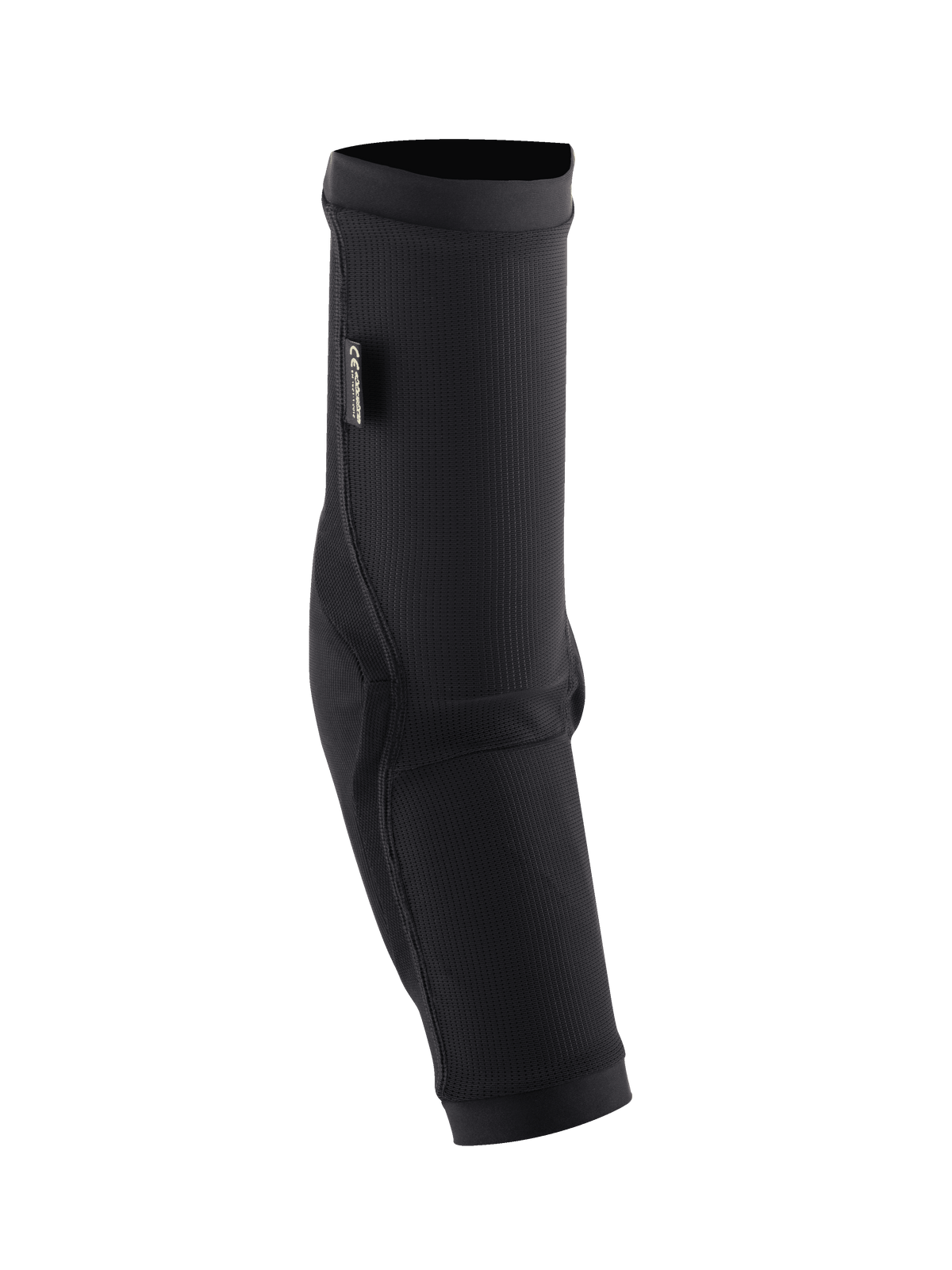
A-Motion Plasma Elbow Sleeve -
Paragon Plus Knee/Shin Protectors -
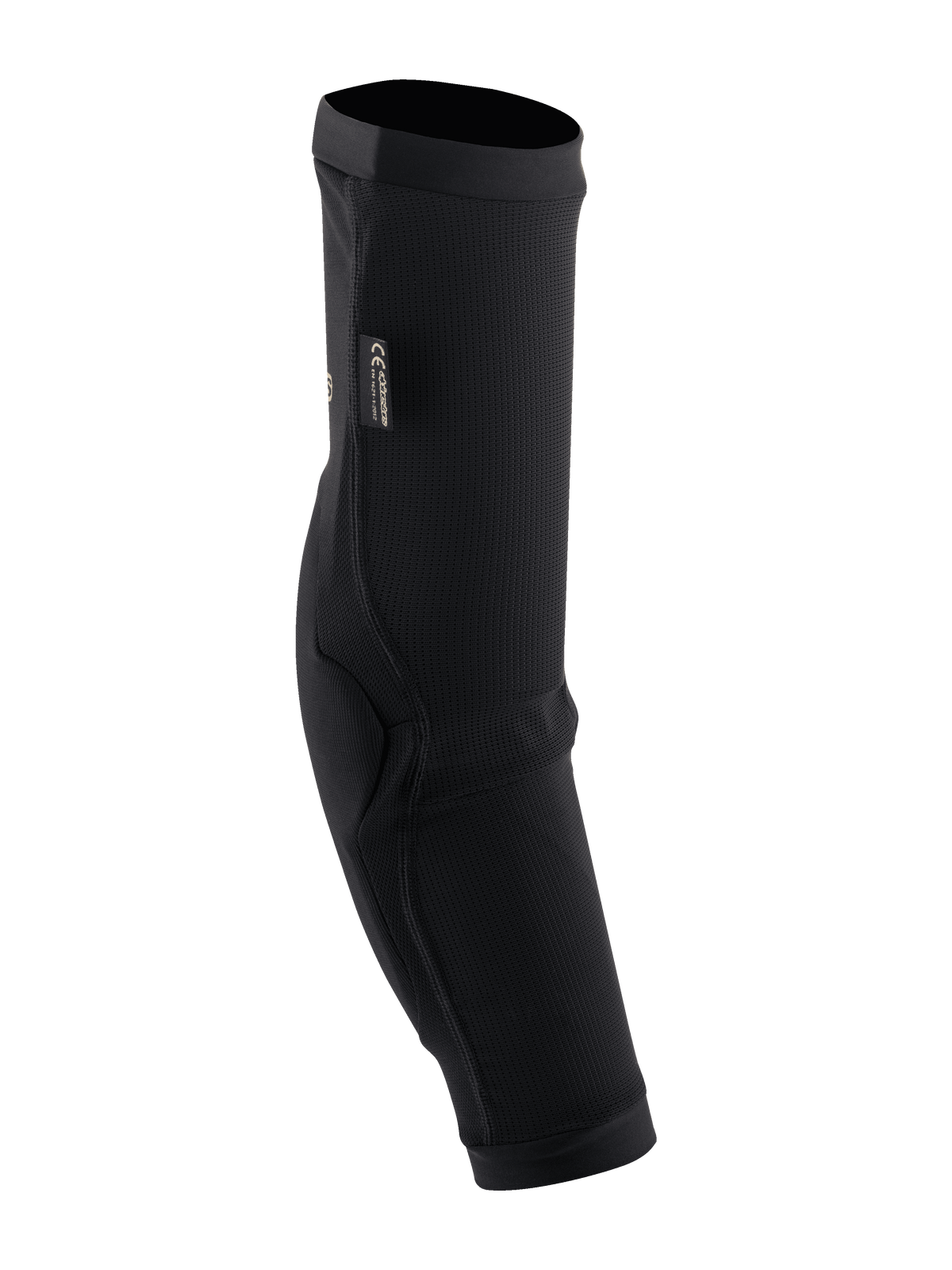
Paragon Plus Elbow Protectors -
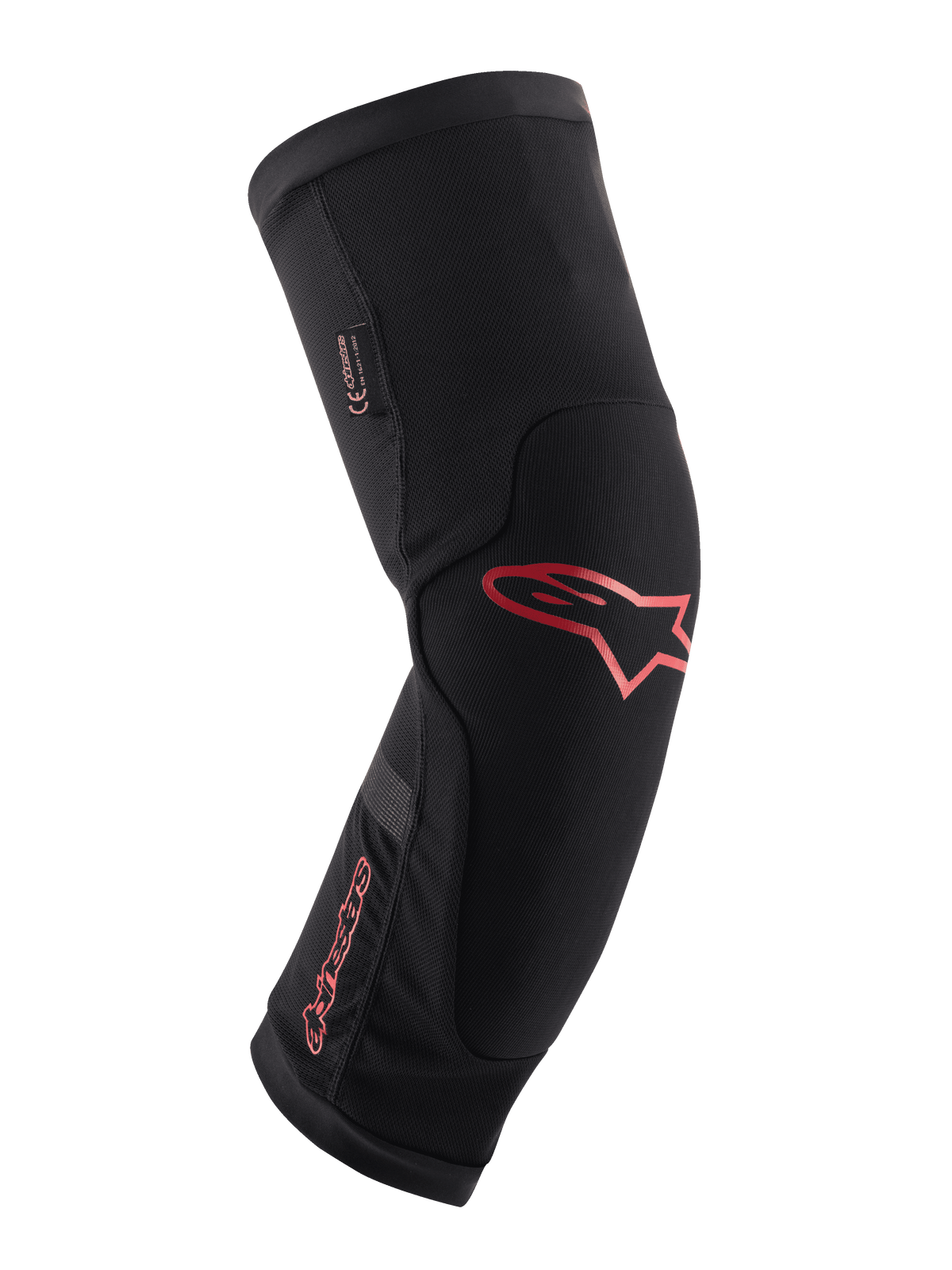
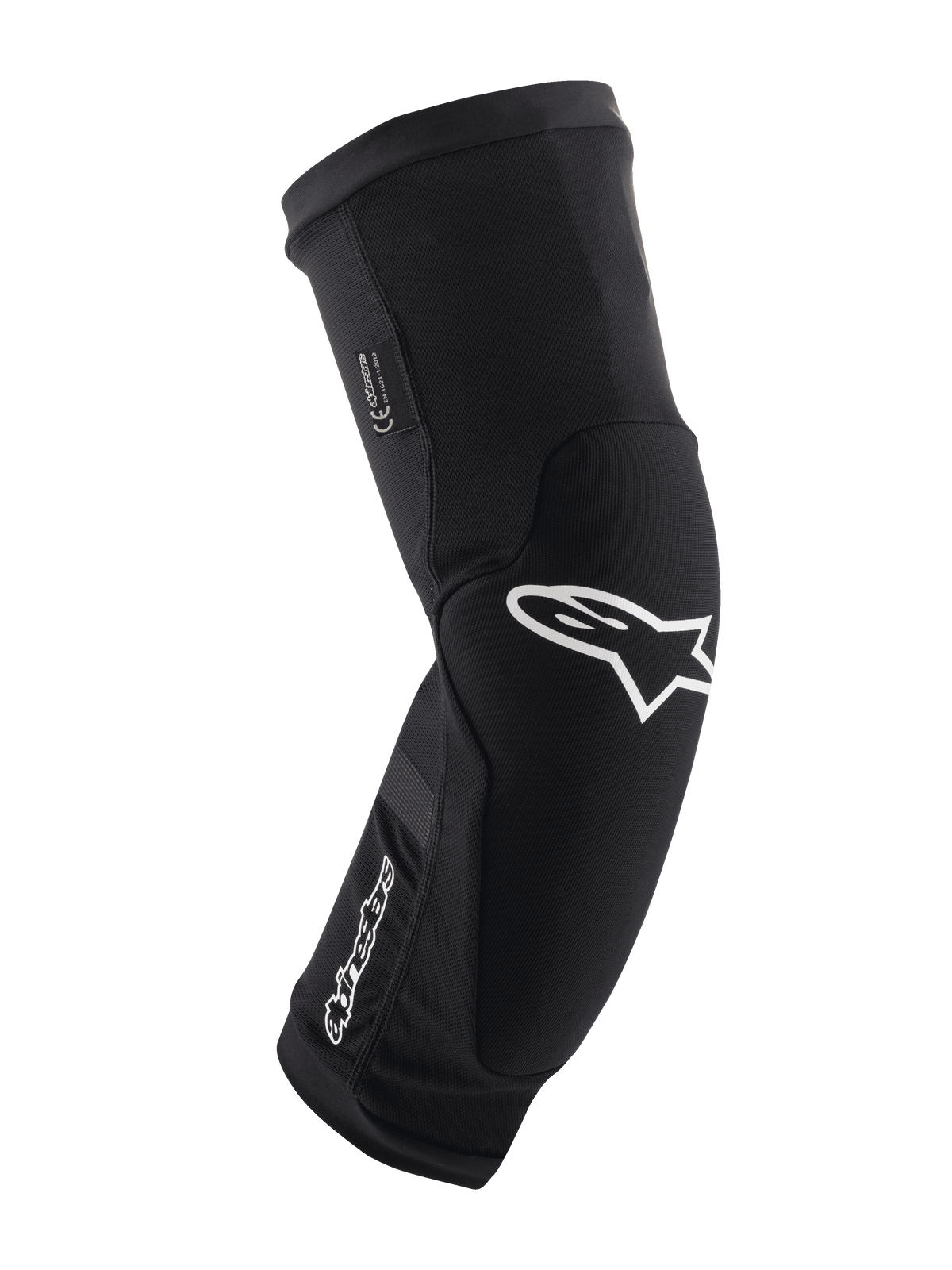
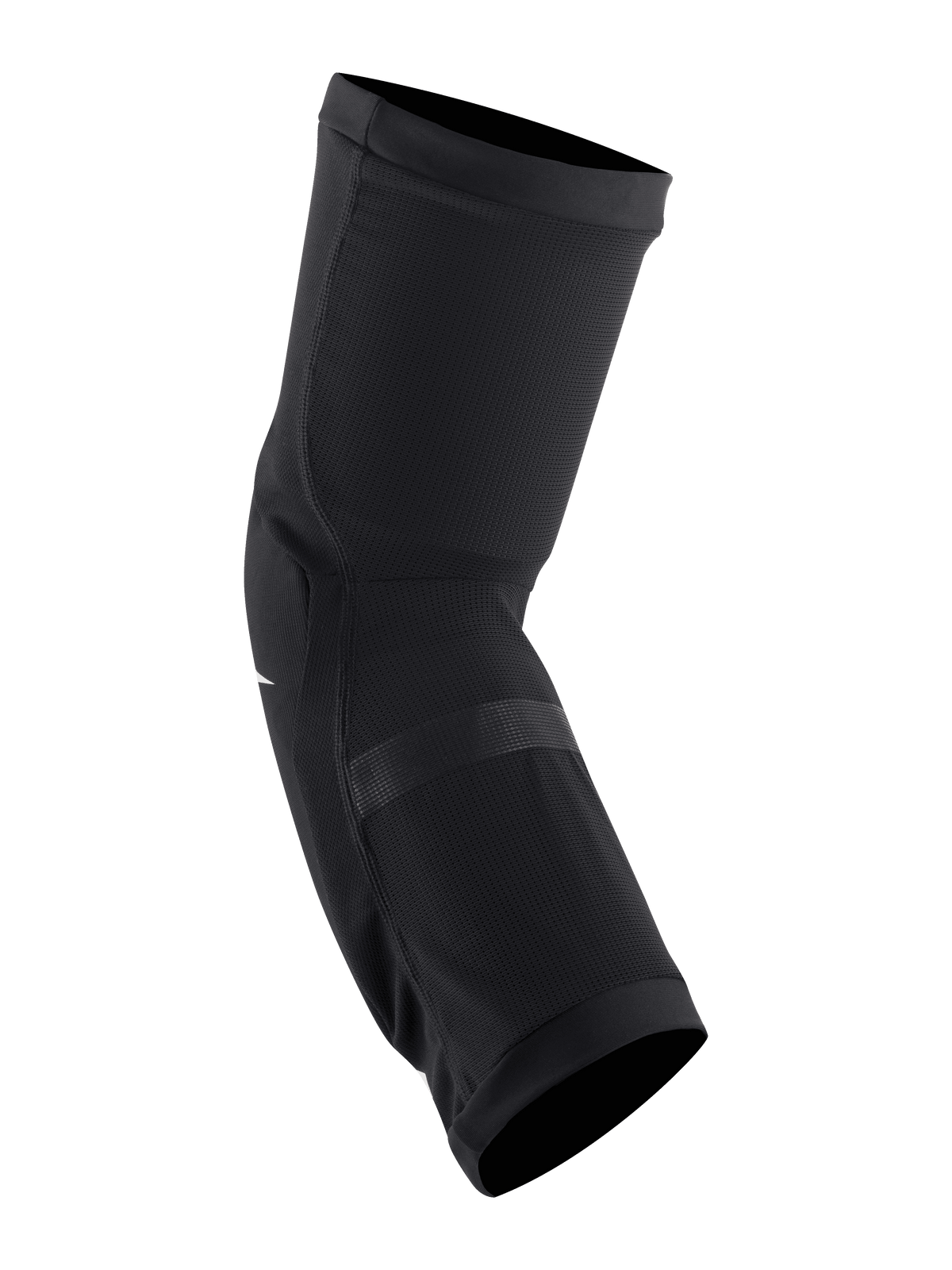
Paragon Plus Knee Protectors -
Paragon Plus Elbow Protectors -
Paragon Plus Knee Protectors -
Paragon Plus Elbow Protectors -
Paragon Plus Knee Protectors -
Paragon Plus Knee Protectors -
Paragon Lite Protection Jacket -
Paragon Lite Protection Jacket -
Youth Paragon Lite Protection Jacket -
A-Impact Plasma Protection Jacket -
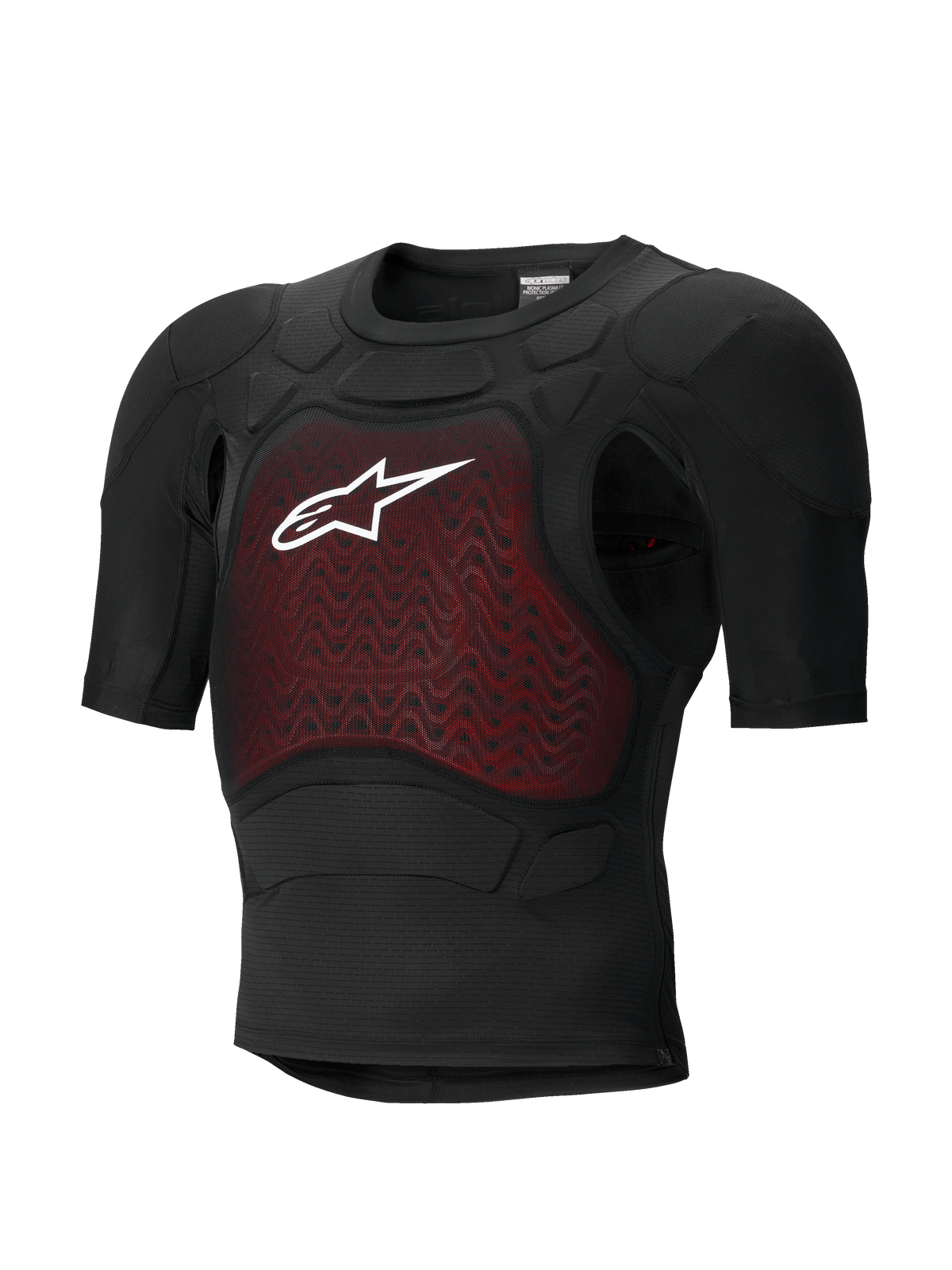
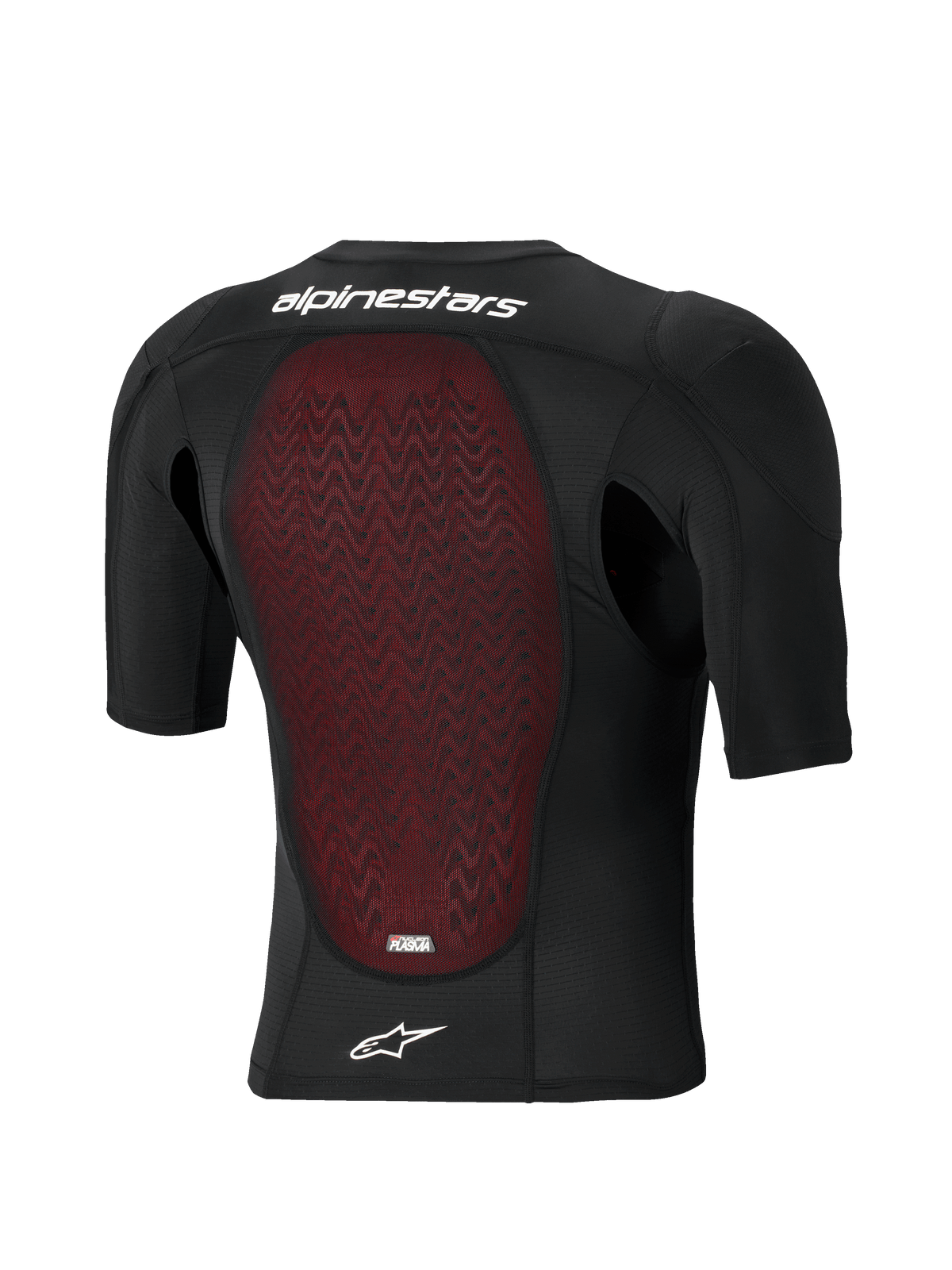
Bionic Plasma Light Protection Vest -
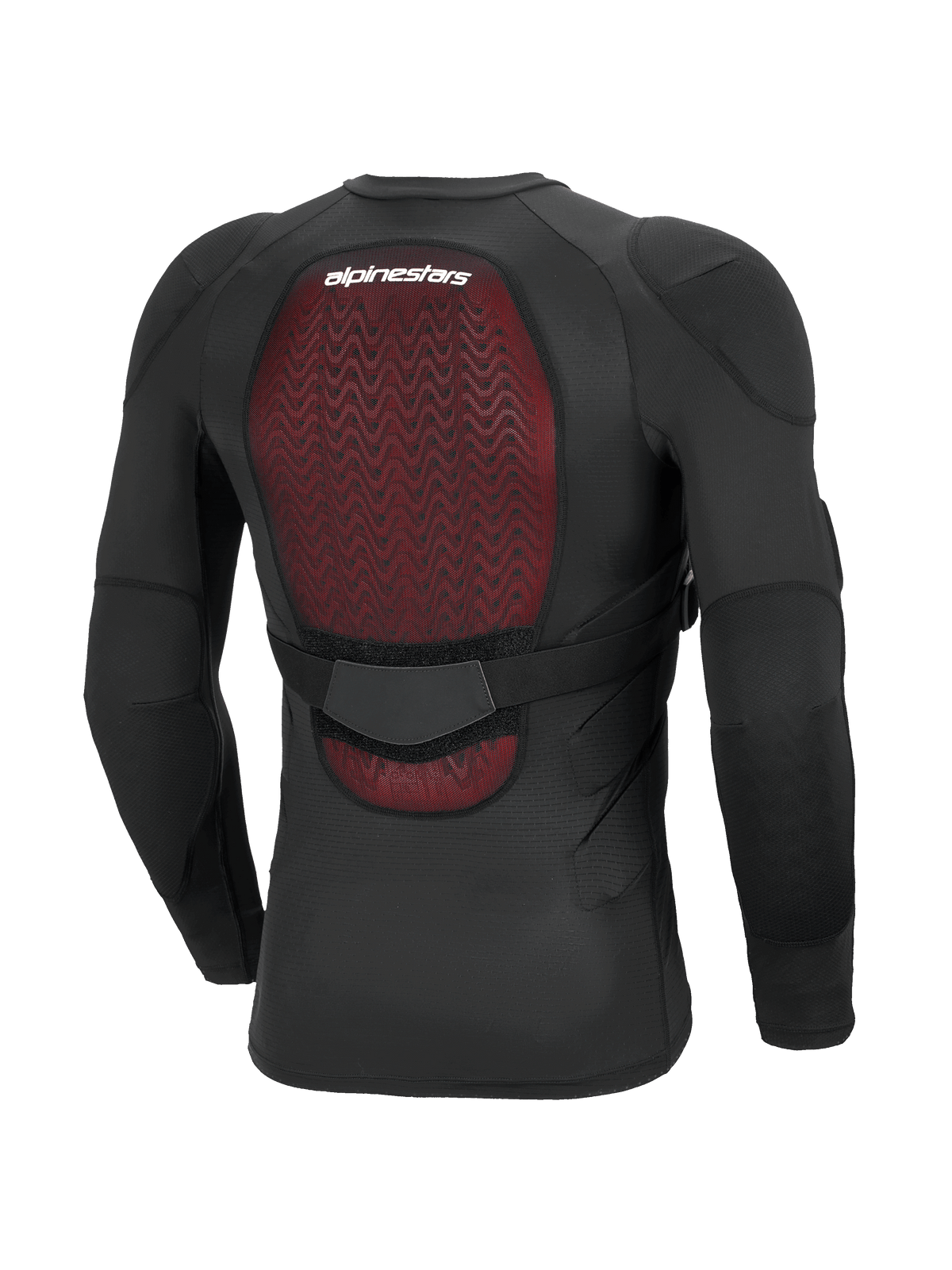
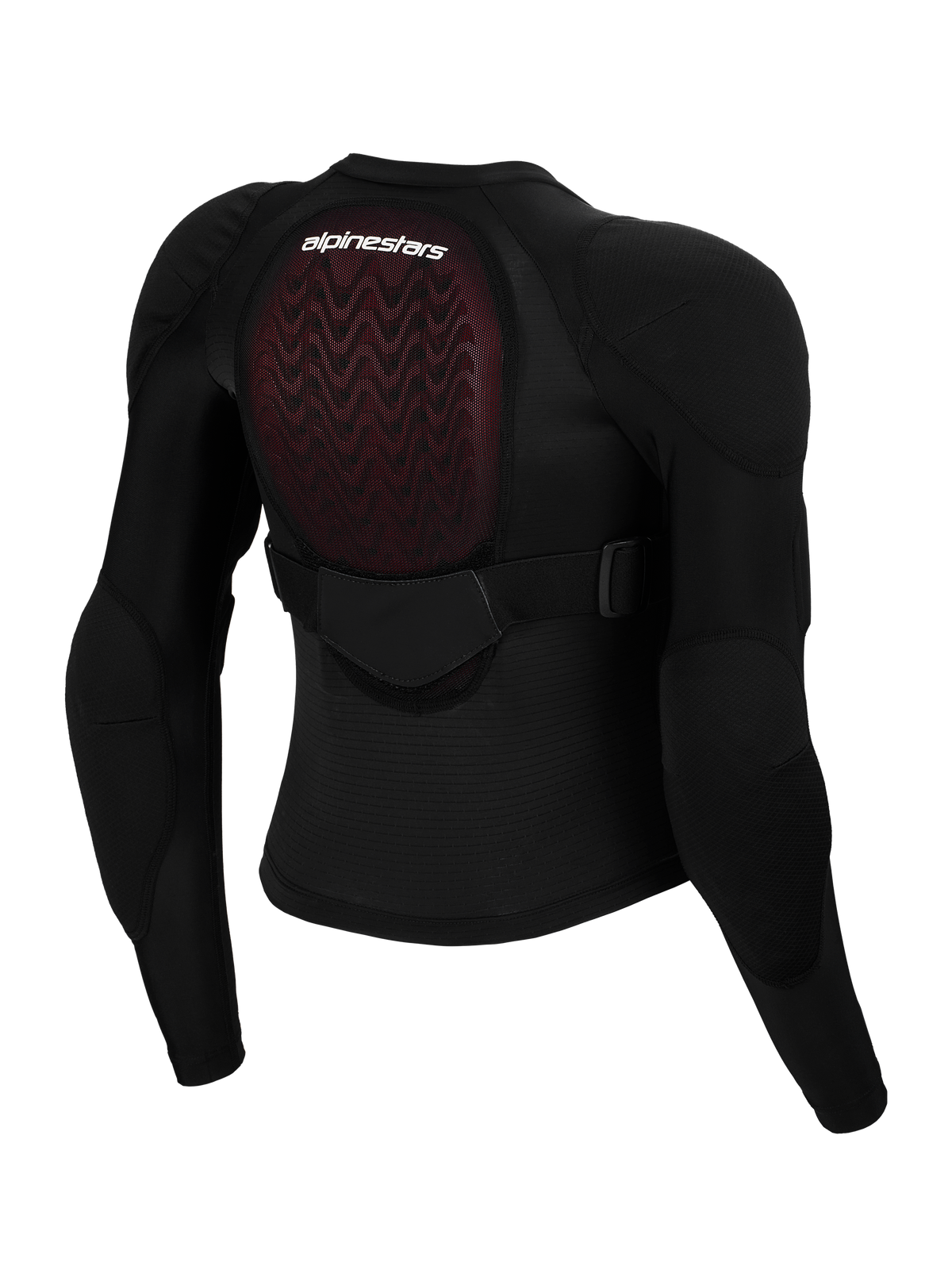
Bionic Plasma Light Protection Jacket -
Bionic Plasma Light Protection Jacket -
Bionic Plasma Light Youth Protection Jacket -
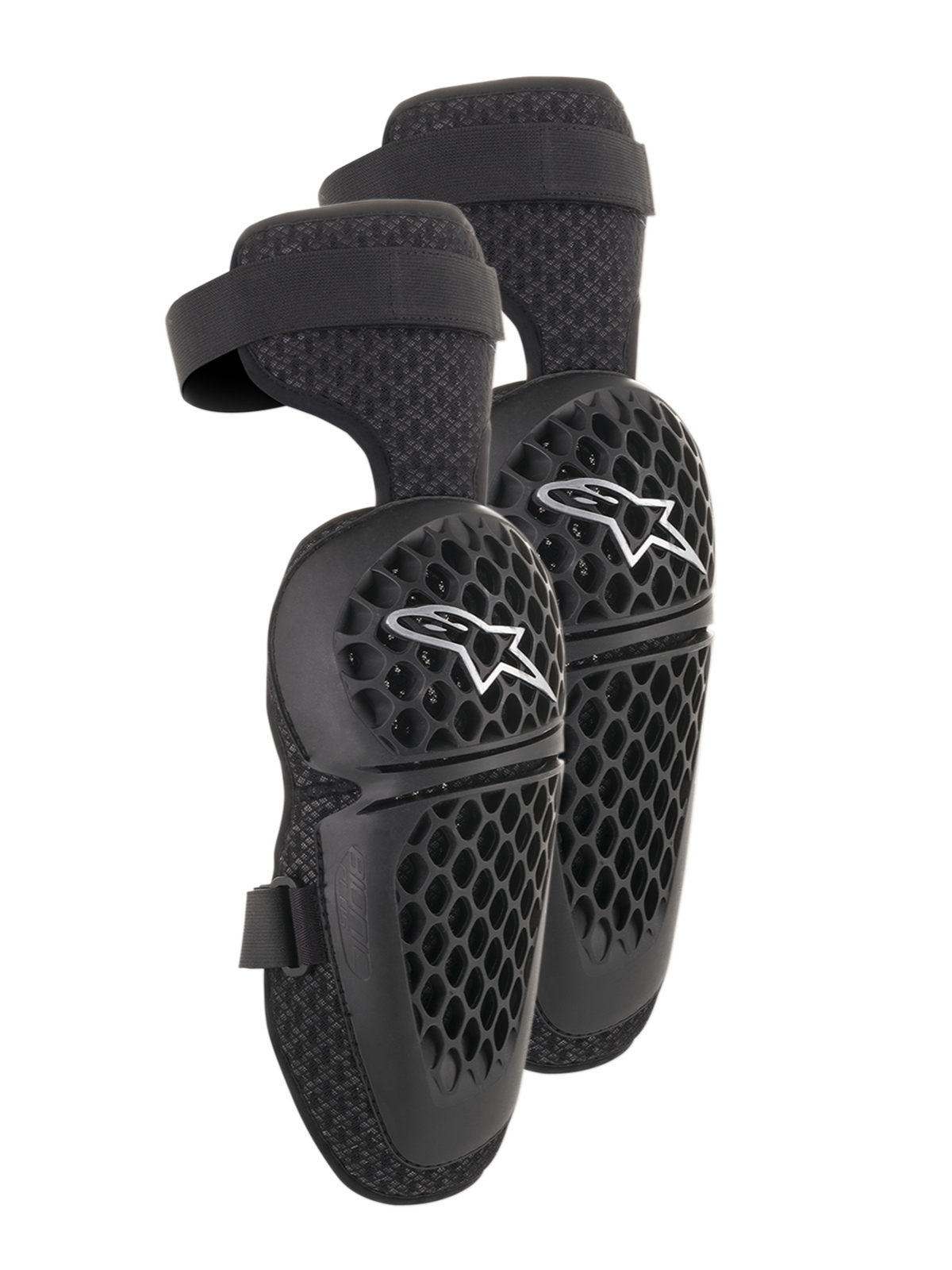
Bionic Plus Knee Protectors -
Bionic Plus Elbow Protectors -
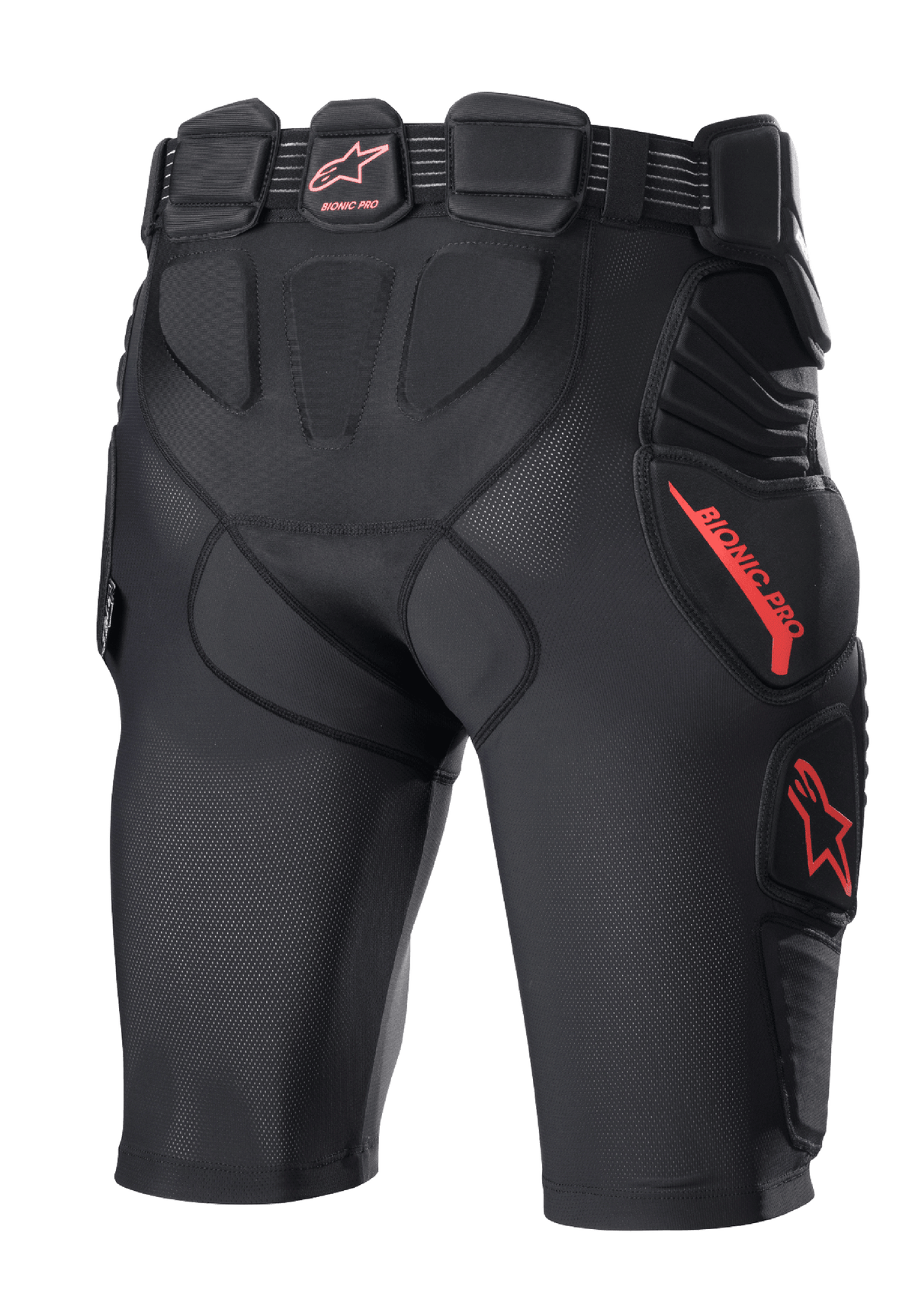
Bionic Pro Protection Shorts -
Vector Tech Shorts -
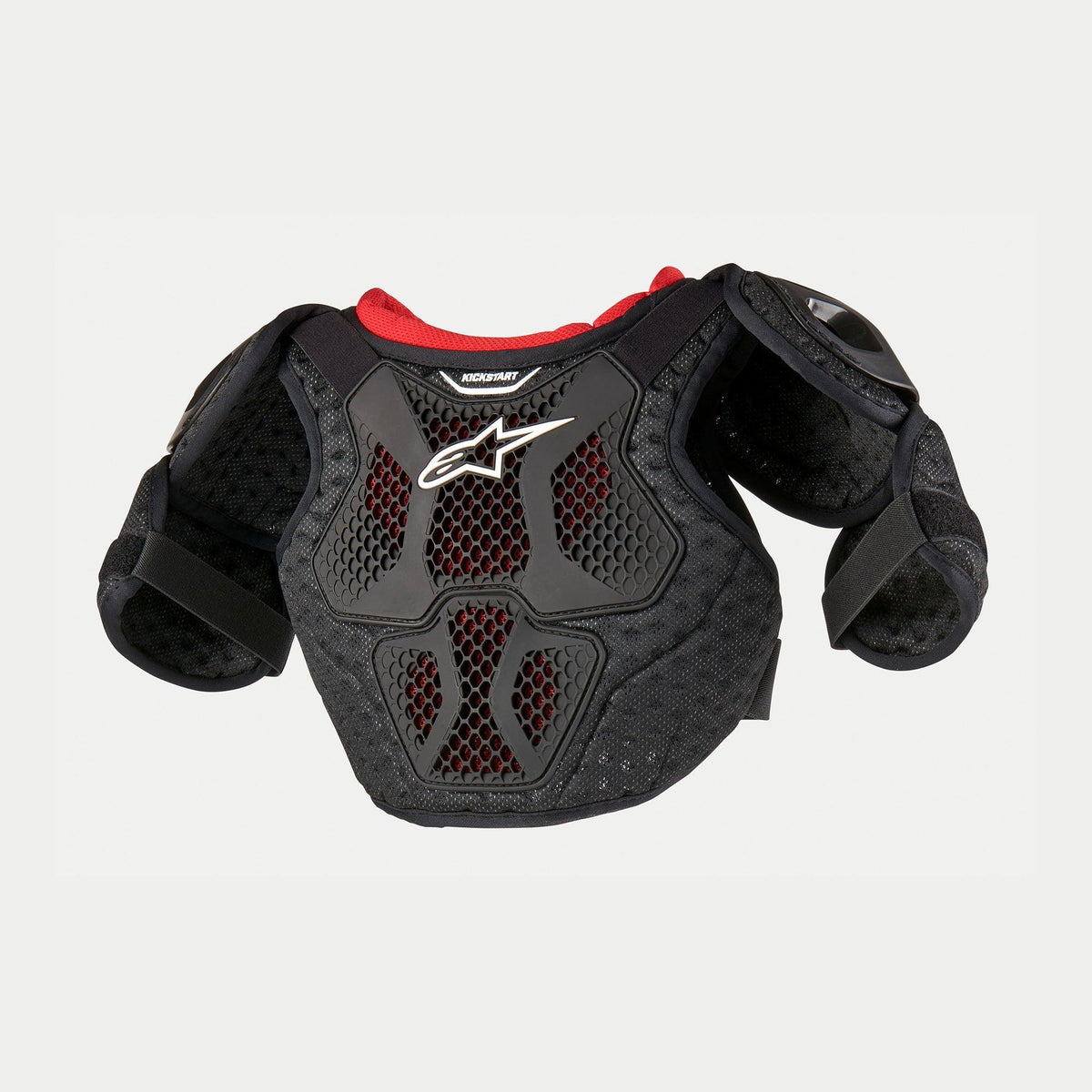
Youth Bionic Action Kickstart Chest Guard -
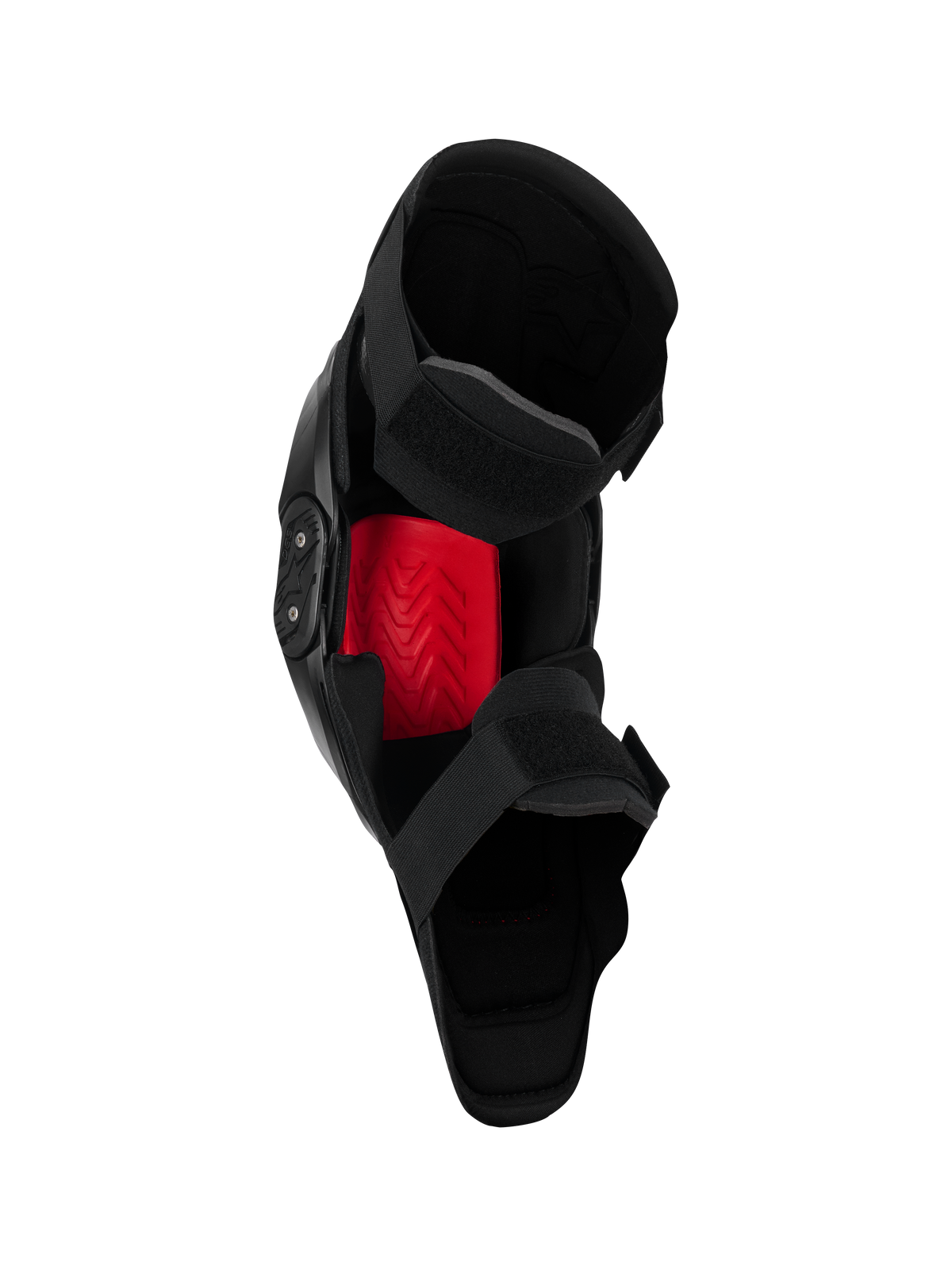
SX-1 Plasma Knee Protector -
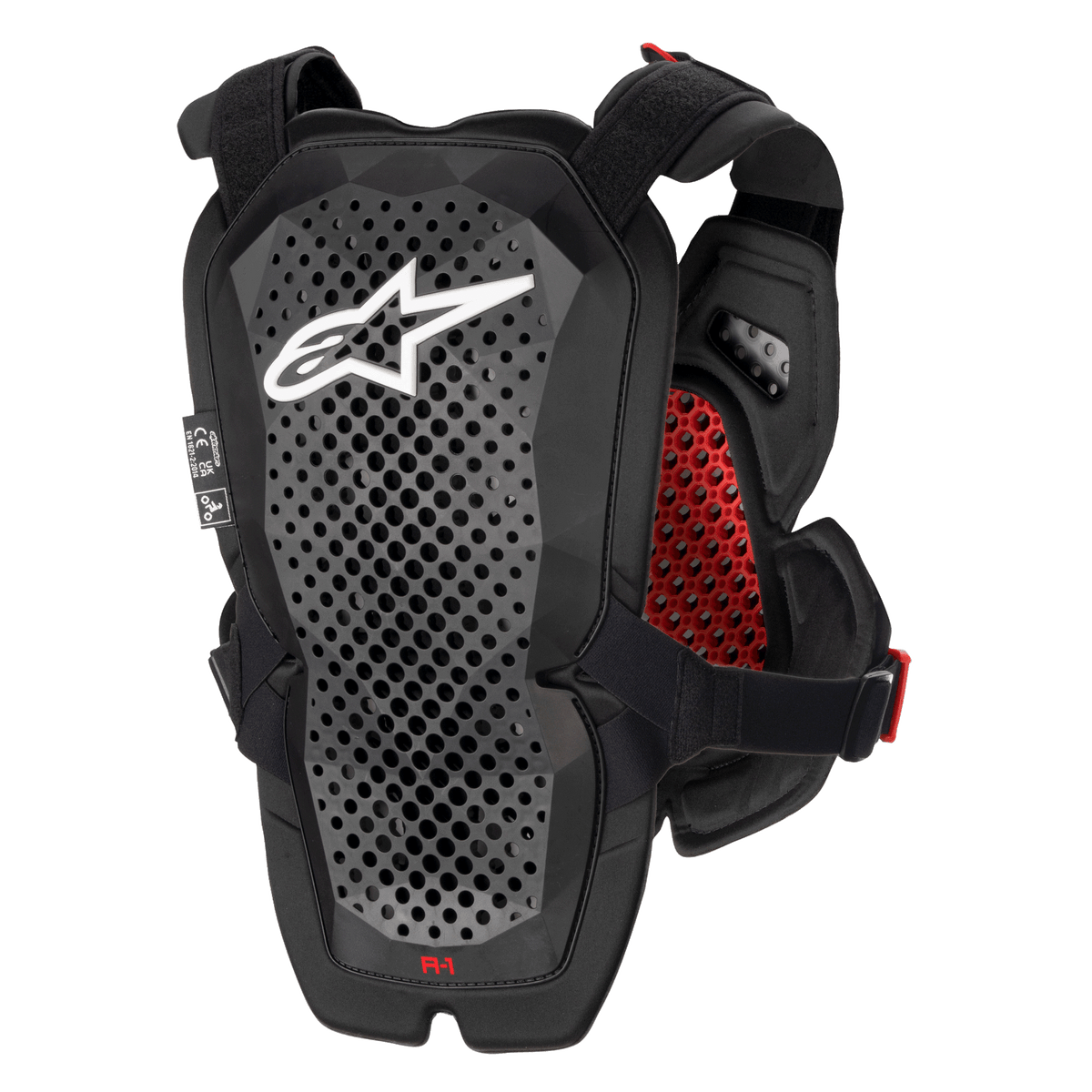
A-1 Pro Chest Protector -
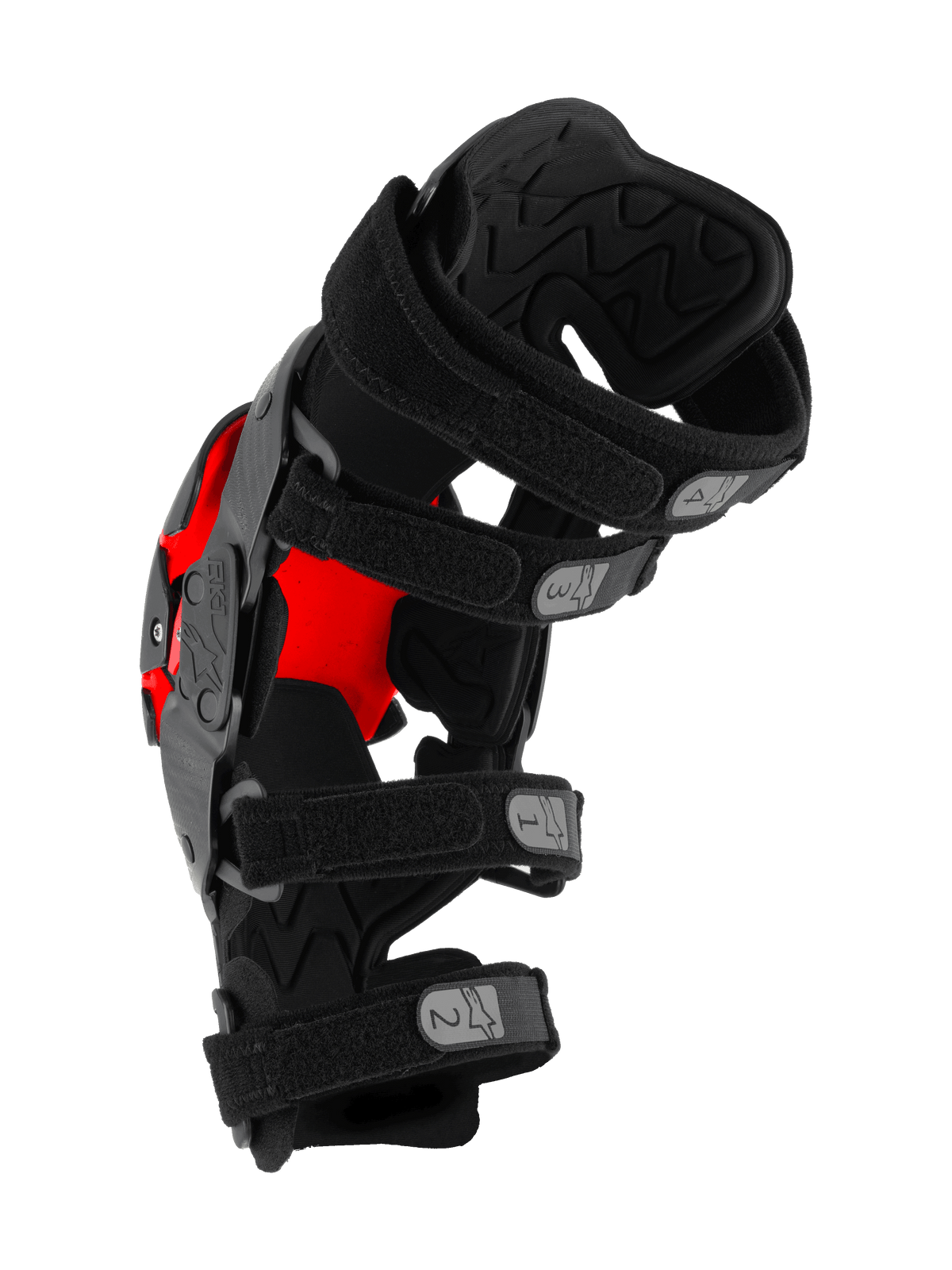
Rk-1 Plasma Knee Braces -
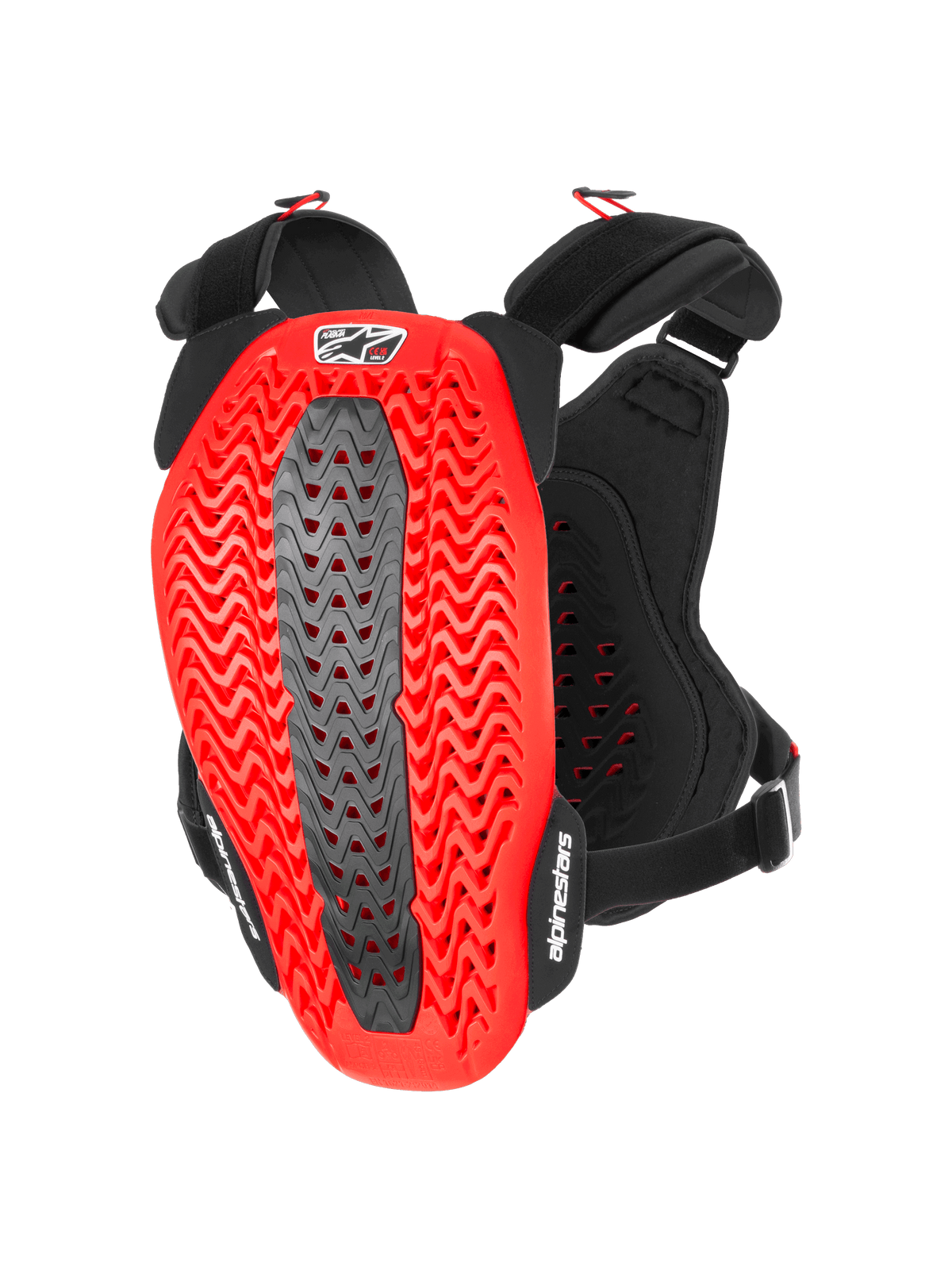
A-5 Plasma Chest Protector -
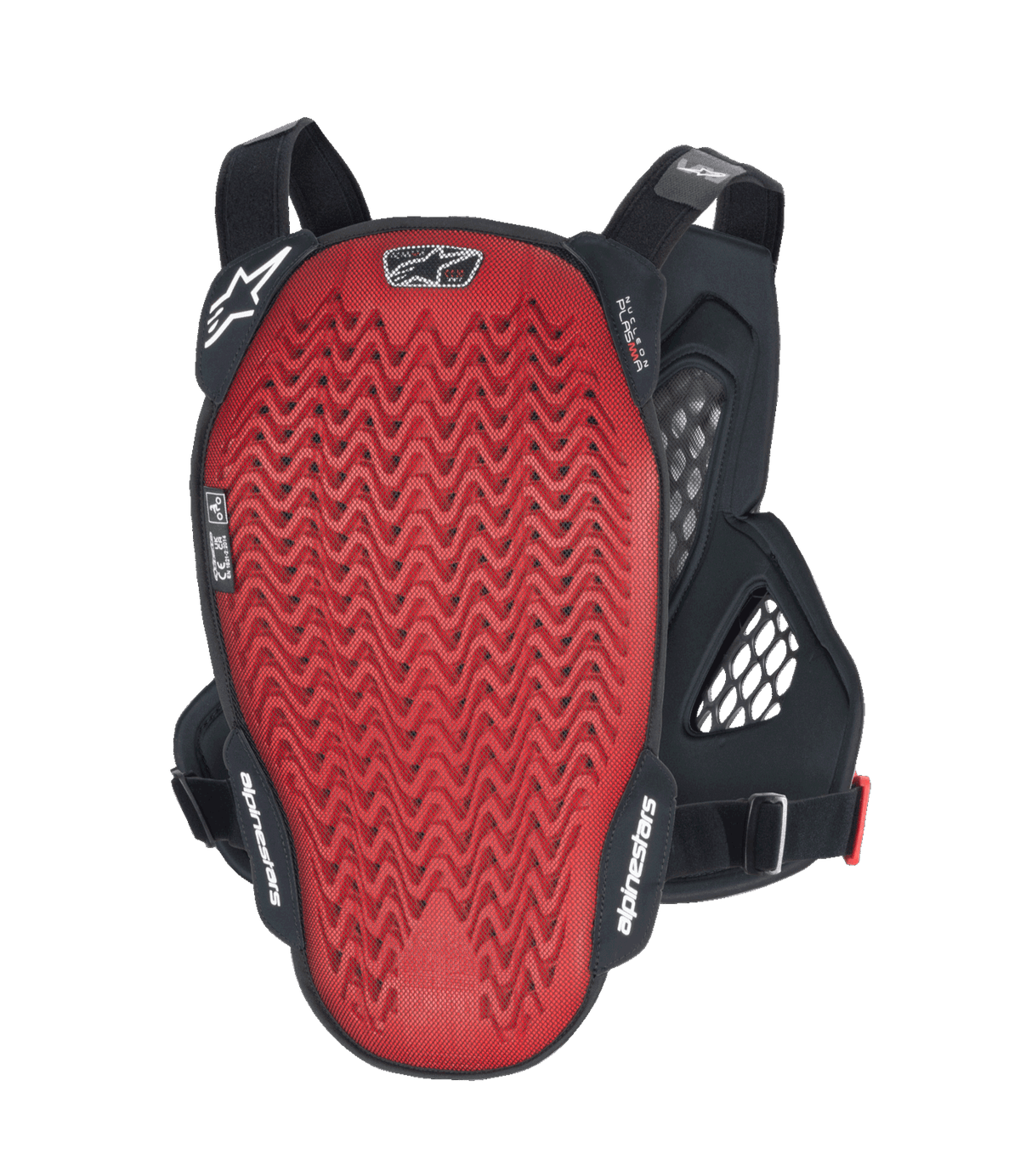
A-6 Plasma Chest Protector -
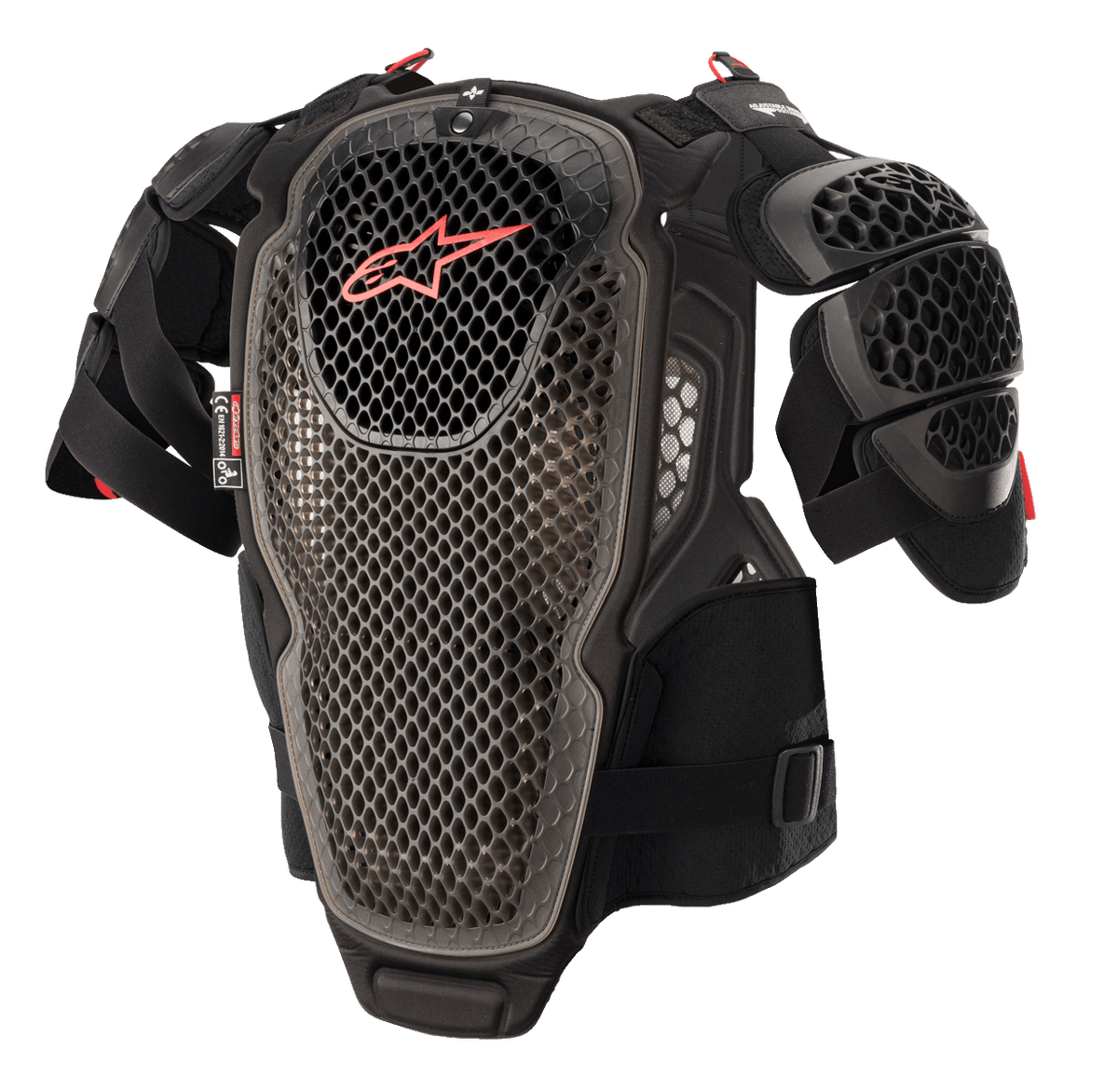
A-6 Chest Protector -
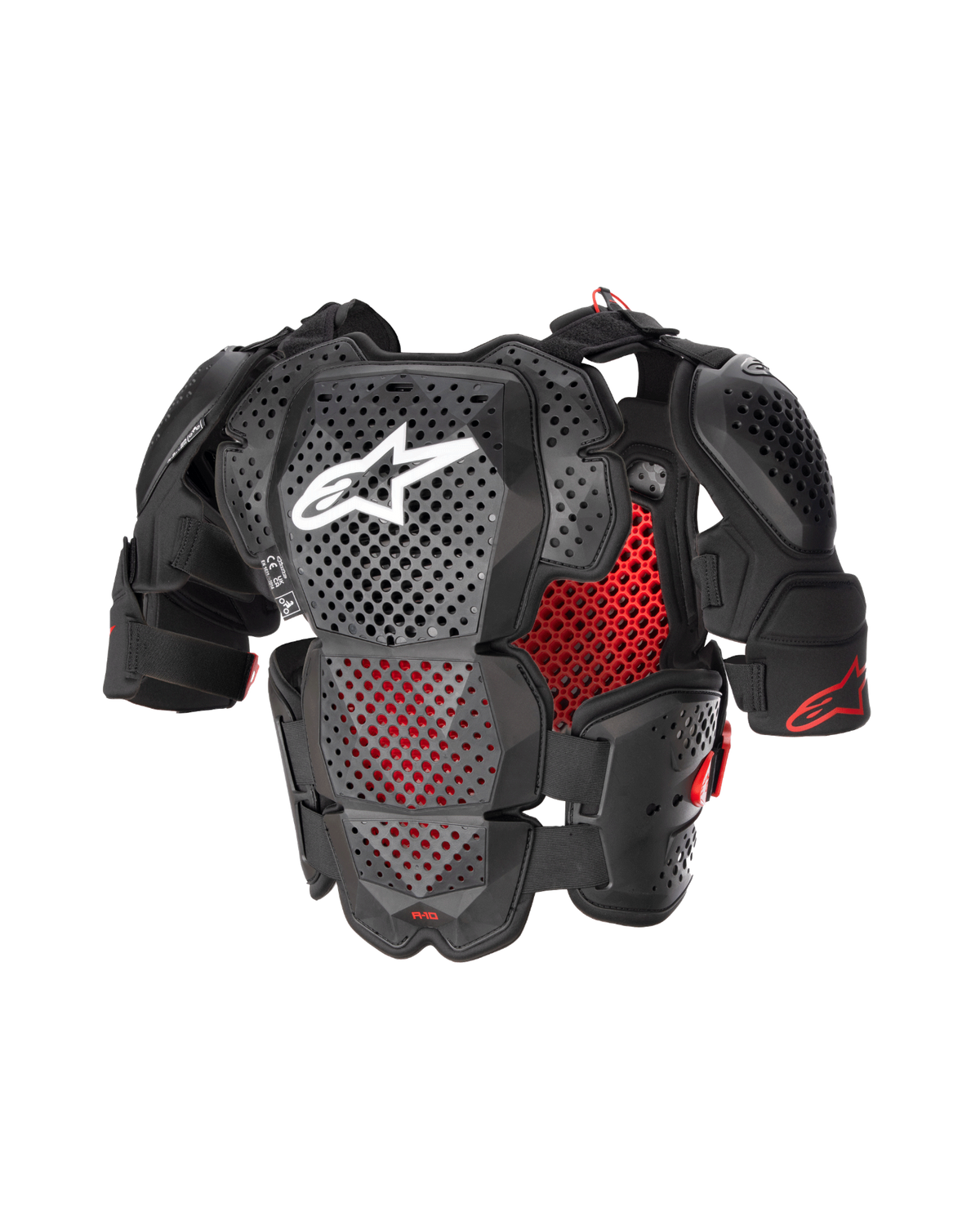
A-10 V2 Full Chest Protector








































Frequently asked questions Hide FAQs
What types of MTB protection are included in this collection?
This collection covers mountain bike body protection designed for trail, enduro, and downhill riding. You’ll find knee and elbow pads, back protectors and protective vests, chest protectors, and padded base layers that prioritize impact absorption, breathability, and pedal mobility.
Options range from low-profile, slip-on pads for long climbs to hybrid and hard-shell designs for bike-park and gravity use. Many pieces use ventilated meshes, articulated panels, and silicone grippers to stay securely in place while you ride.
Are these MTB protectors CE certified, and what’s the difference between Level 1 and Level 2?
Many MTB pads in this category use CE-certified impact protection under the EN 1621 standard: EN 1621-1 for knees and elbows, EN 1621-2 for backs, and EN 1621-3 for chests. CE Level 1 typically offers lighter, more ventilated padding with lower impact attenuation, while CE Level 2 provides higher impact energy absorption, often with thicker or denser materials.
Choose Level 1 for all-day trail riding and maximum pedal comfort, and Level 2 for enduro, bike-park, or higher-speed terrain where added protection is preferred. Always check the product page for the specific certification and level.
Which pads should I choose for trail, enduro, or downhill riding?
Match pad coverage and impact level to your terrain and speed. Trail riders generally favor lighter, pedal-friendly pads; enduro riders often choose hybrid designs with extended coverage; downhill and park riders typically use the most robust protection.
| Discipline | Protection Profile | Typical Use |
|---|---|---|
| Trail / All‑Mountain | Low‑profile, breathable; often CE Level 1 | Long climbs, varied singletrack |
| Enduro | Hybrid soft/hard zones; CE Level 1–2 | Timed stages, technical descents |
| Downhill / Park | Max coverage with hard‑shell zones; CE Level 2 | Lift‑served laps, high‑speed runs |
For complementary head protection, explore our MTB helmets.
How should MTB knee and elbow pads fit, and how do I find my size?
Pads should fit snugly so they stay in place through pedaling and impacts without restricting circulation. Measure around the thigh and calf (for knees) or biceps and forearm (for elbows) at the points indicated on each product’s size chart, then select the size that matches your measurements.
When trying on, sit and pedal to check for slipping or gaps over the joint. Silicone grippers should contact skin or a thin base layer; straps should be secure but not overly tight. If you’re between sizes, choose based on your priority: closer fit for gravity use, or slightly more room for long-pedal comfort.
How do I wash and care for MTB pads and body armor?
After muddy rides, remove loose dirt, then hand wash or machine wash on gentle with cold water and mild detergent. Close hook‑and‑loop straps, place items in a laundry bag if machine washing, and remove any detachable inserts before cleaning. Avoid bleach and fabric softeners, which can degrade technical foams and elastic.
Air‑dry flat and away from direct heat or sunlight; do not tumble dry or iron. Inspect pads regularly for cracks, permanent compression, or torn stitching, and replace components that show signs of damage to maintain protection performance.