
100 results
-
AST V3 Air Jacket -
T-SPS Air V2 Jacket -
Stella Aeroshell Airflow Jacket -
T-SPS Air V2 Jacket -
Stella Troop-Air Jacket -
AST V3 Air Jacket -
AST V3 Air Jacket -
AST V3 Air Jacket -
Honda T-SPS Air V2 Jacket -
Honda Stella T-SPS Air V2 Jacket -
MM93 T-SPS Air V2 Jacket -
MM93 T-SPS Air V2 Jacket -
Honda T-SPS Air V2 Jacket -
T-SPS Air V2 Jacket -
Mogress Air Jacket -
T-Stunt Air Jacket -
Mogress Air Jacket -
Stella T-SPS Air V2 Jacket -
T-Dyno Air Jacket -
C-1 Air Jacket -
Molly Air Jacket -
Stella Circal-1 Air Jacket -
Mogress Air Jacket -
Stella T-SPS Air V2 Jacket -
Ignite Air Jacket -
Stella C-1 Air Jacket -
Viper Air V4 Jacket -
T-Stunt Air Jacket -
Stella T-Dyno Air Jacket -
Stella T-Dyno Air Jacket -
C-1 Air Jacket -
T-SPS Air V2 Jacket -
T-SPS Air V2 Jacket -
Troop-Air Jacket -
Ignite Air Jacket -
Stella C-1 Air Jacket

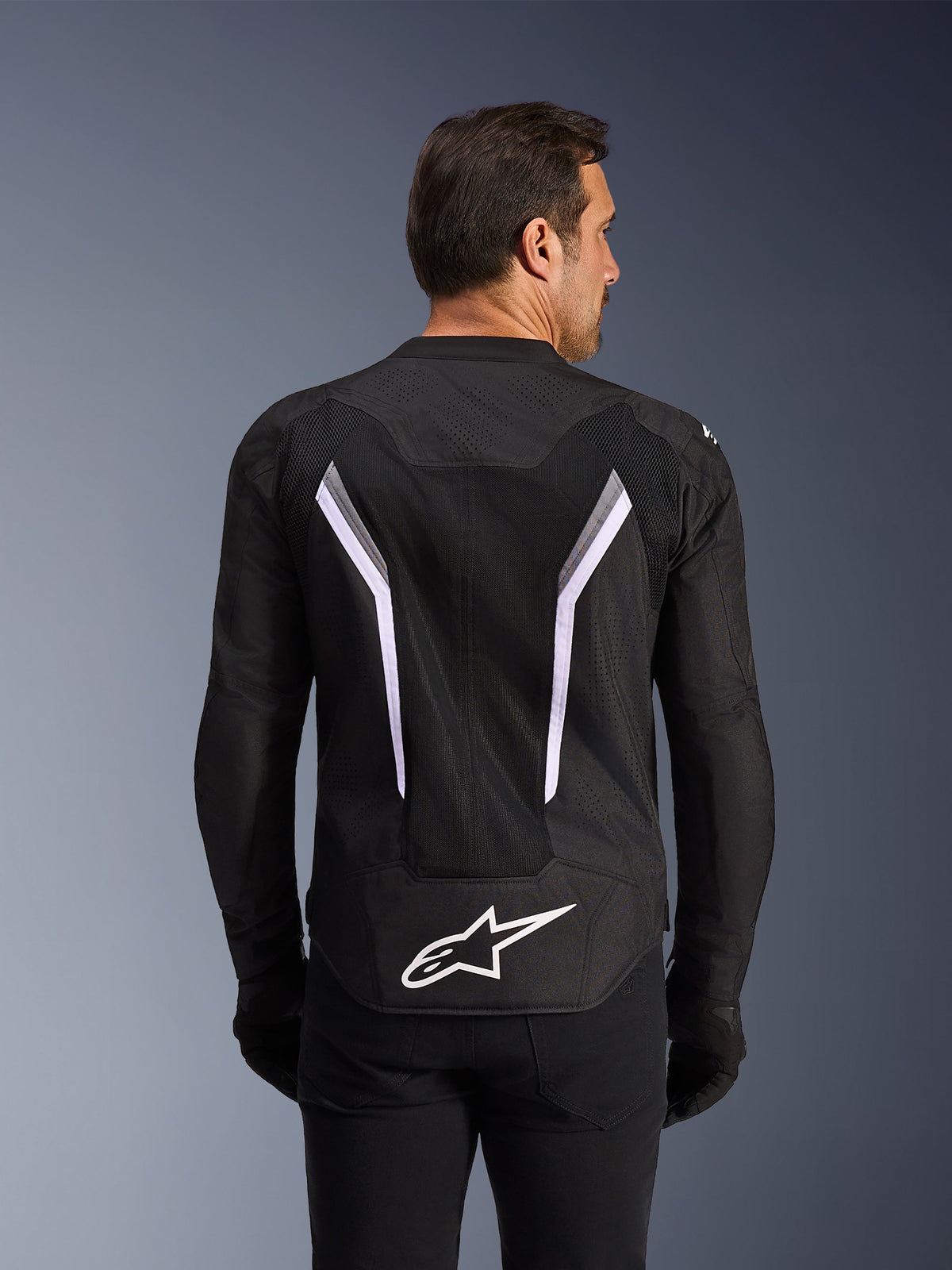


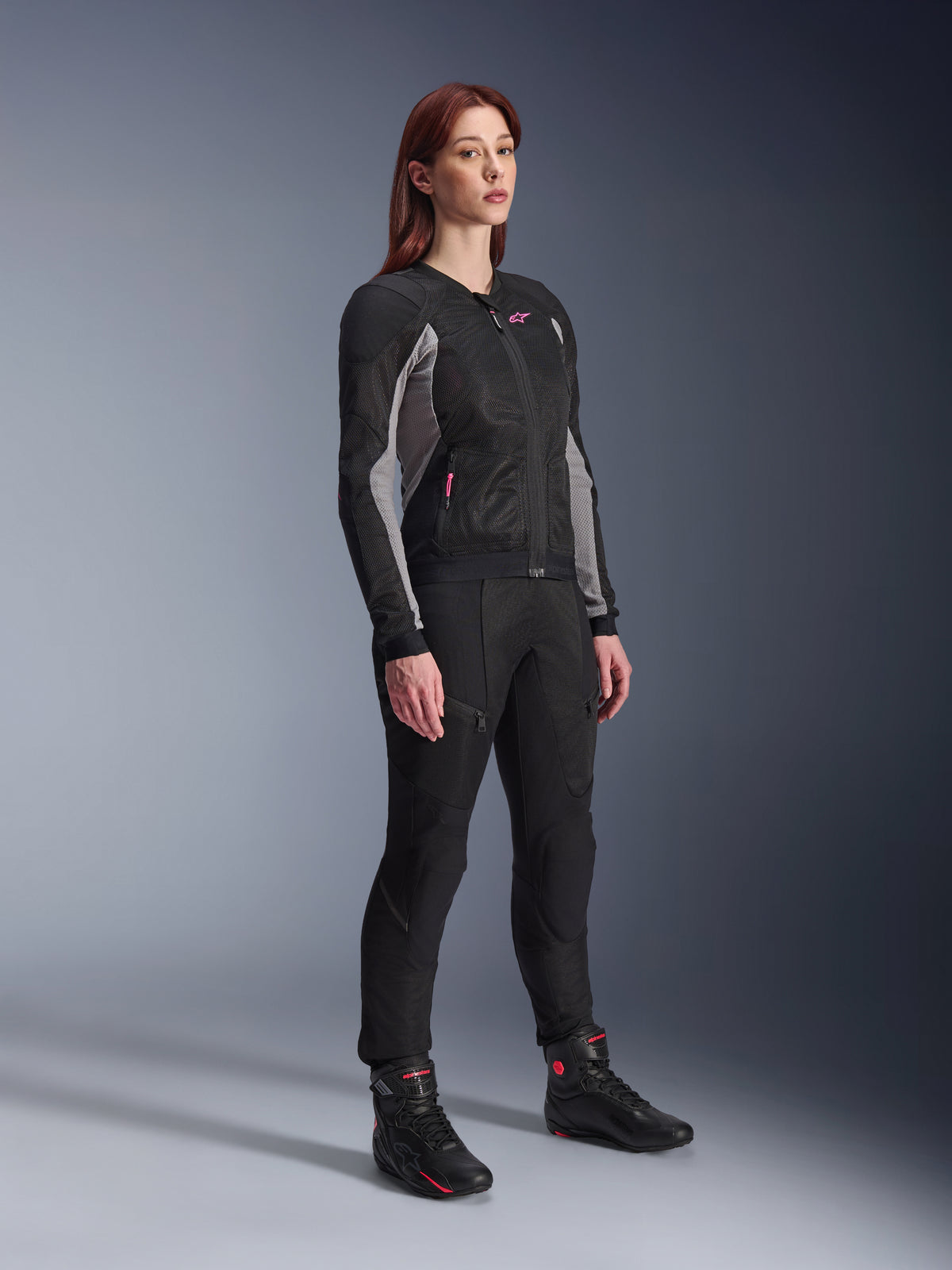


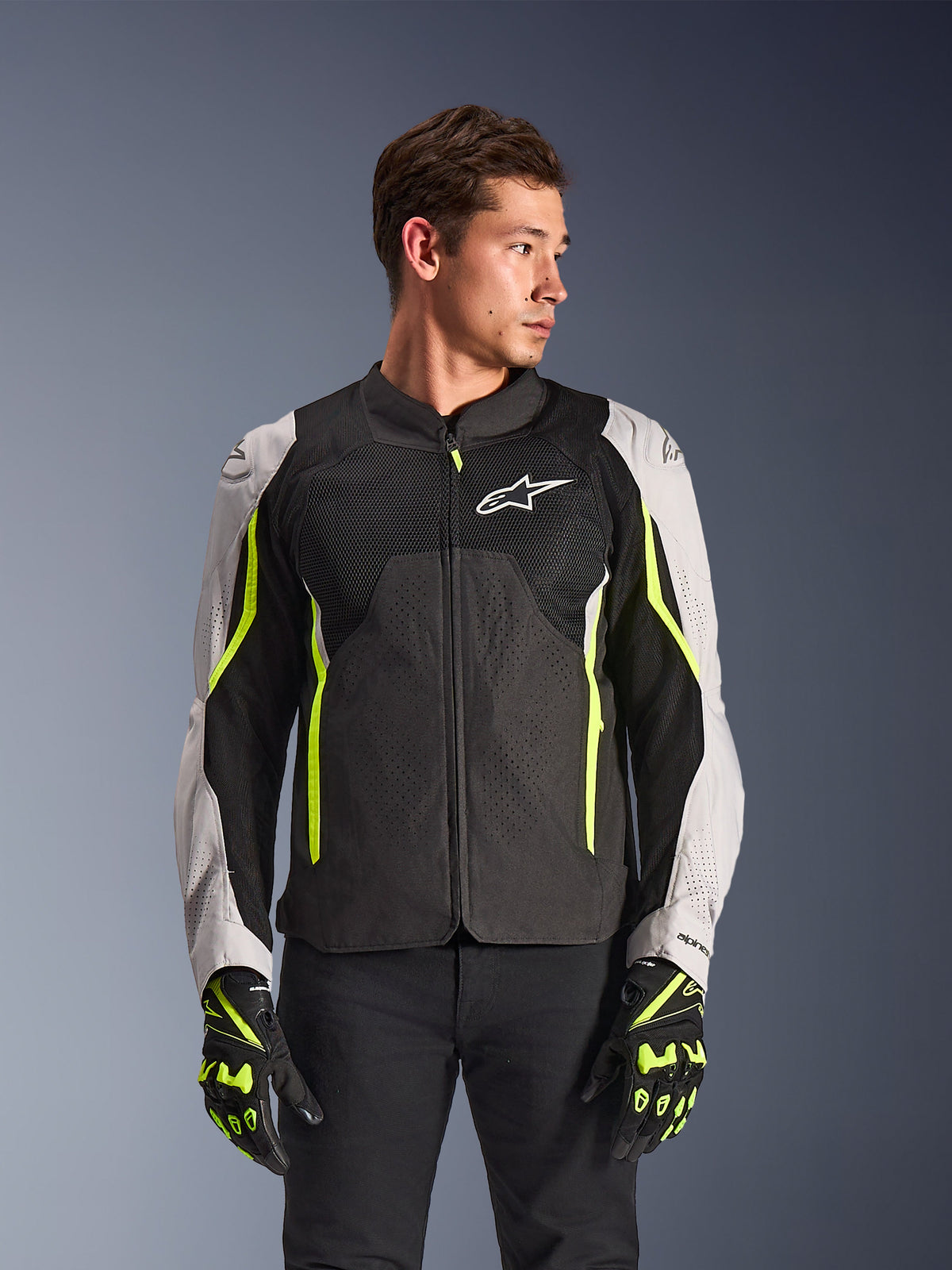
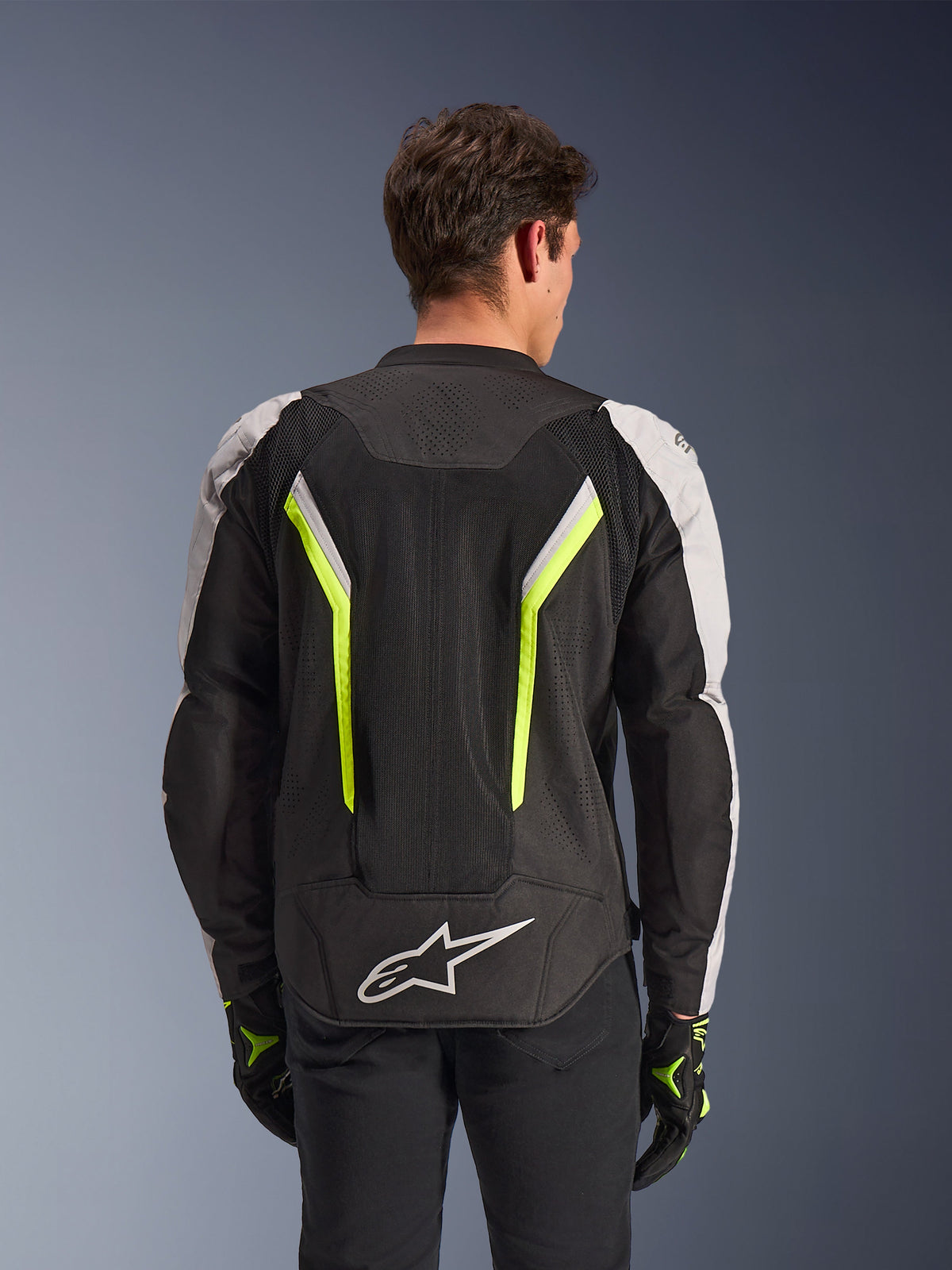

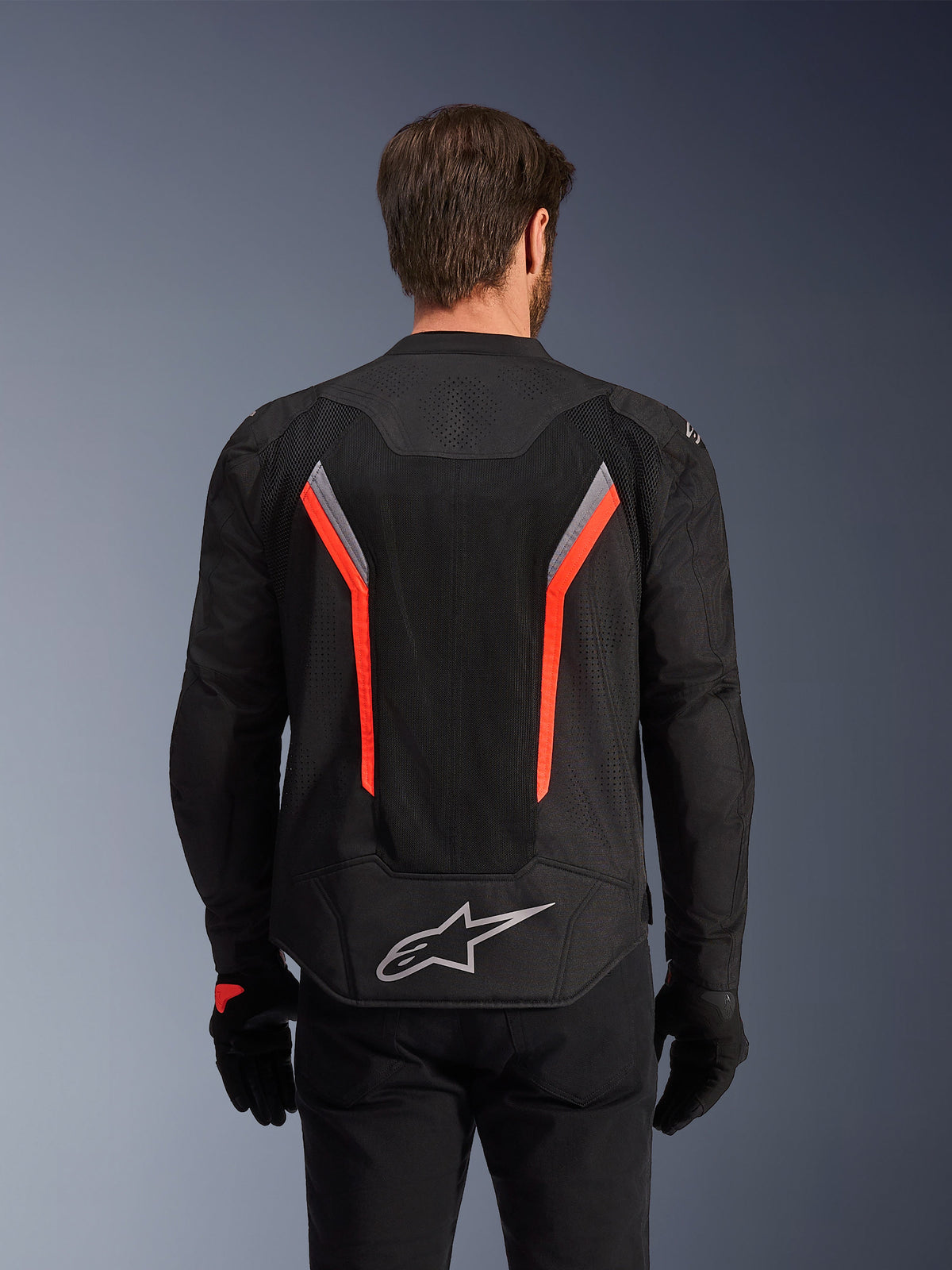


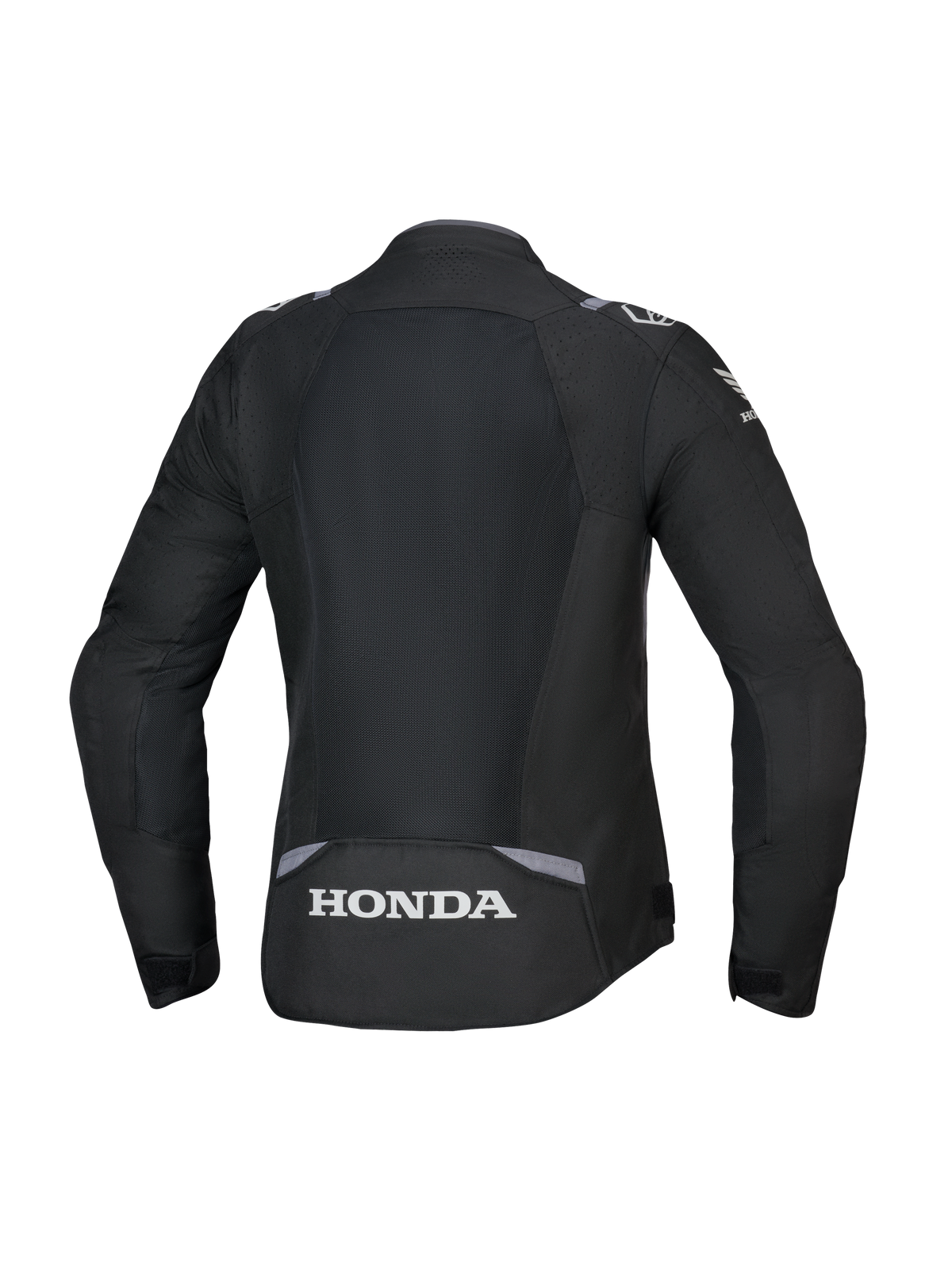


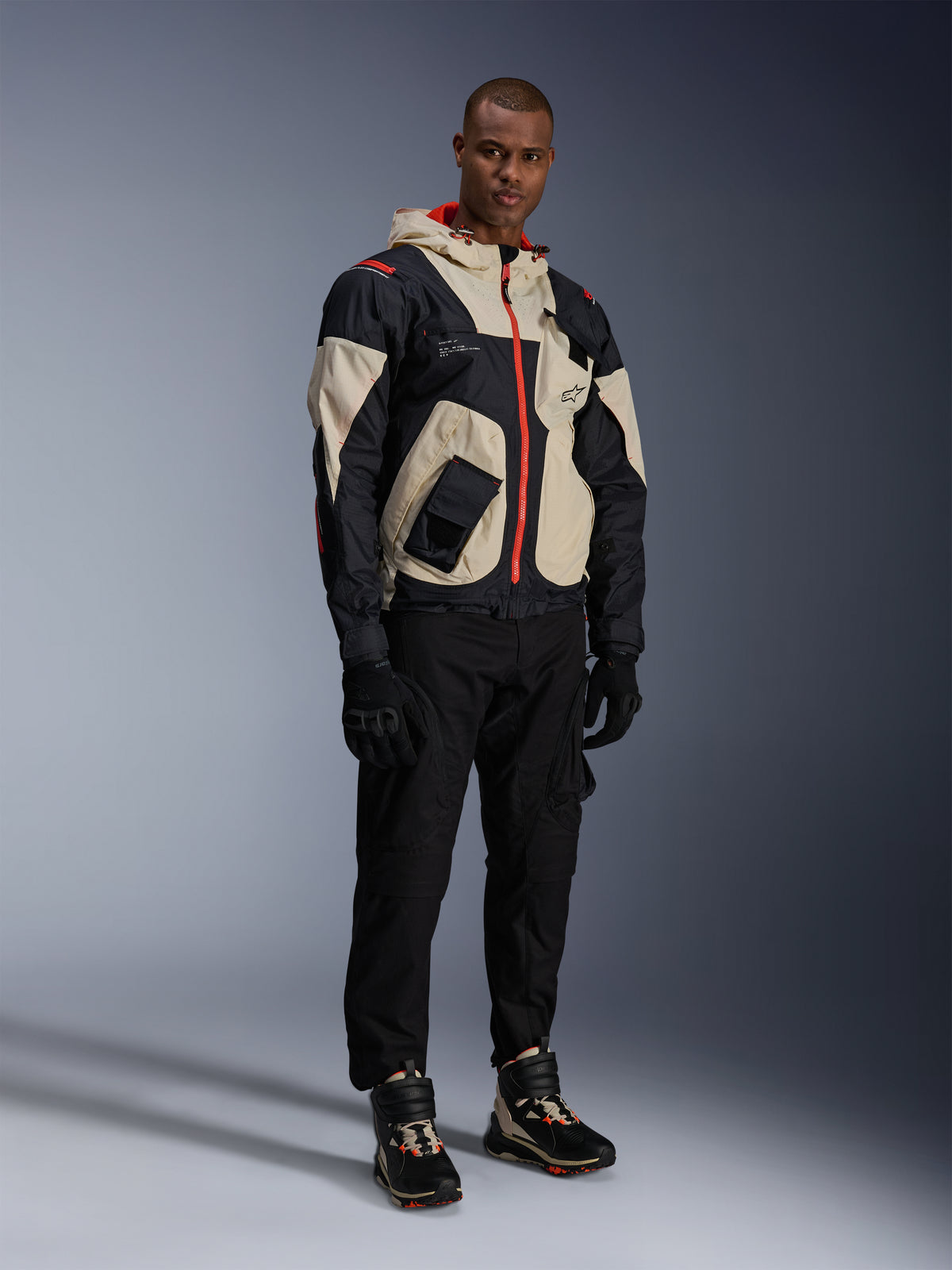


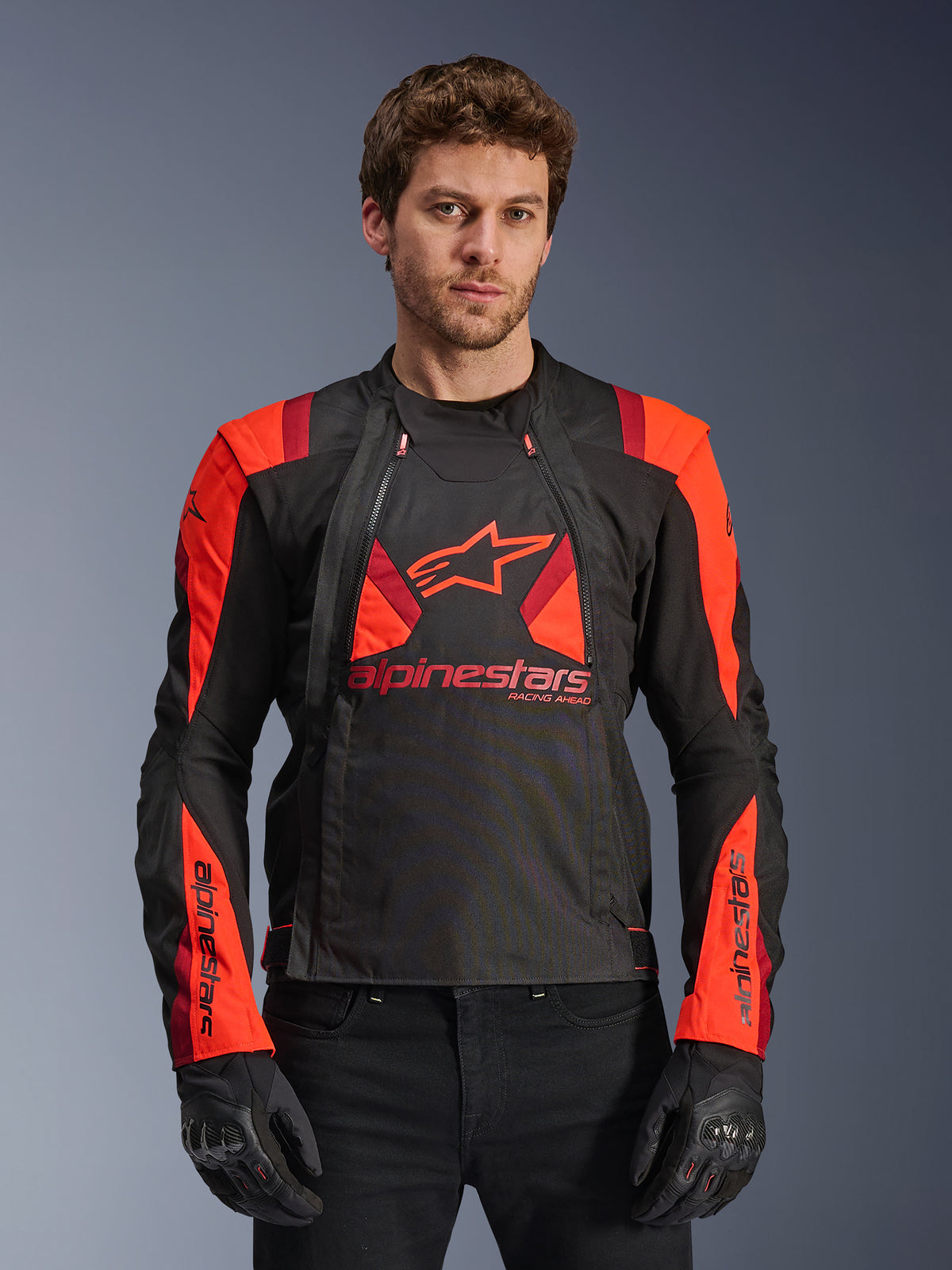


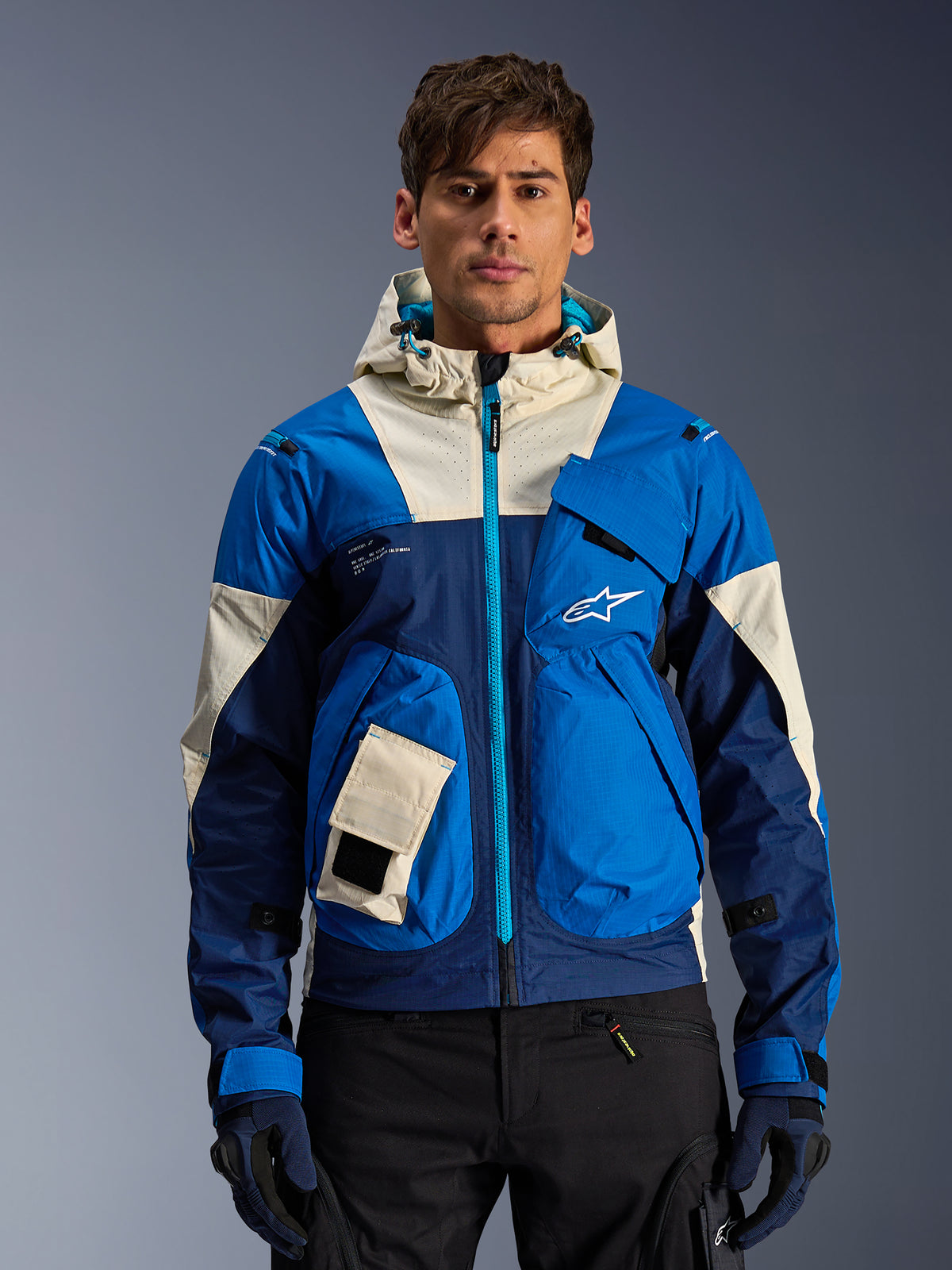


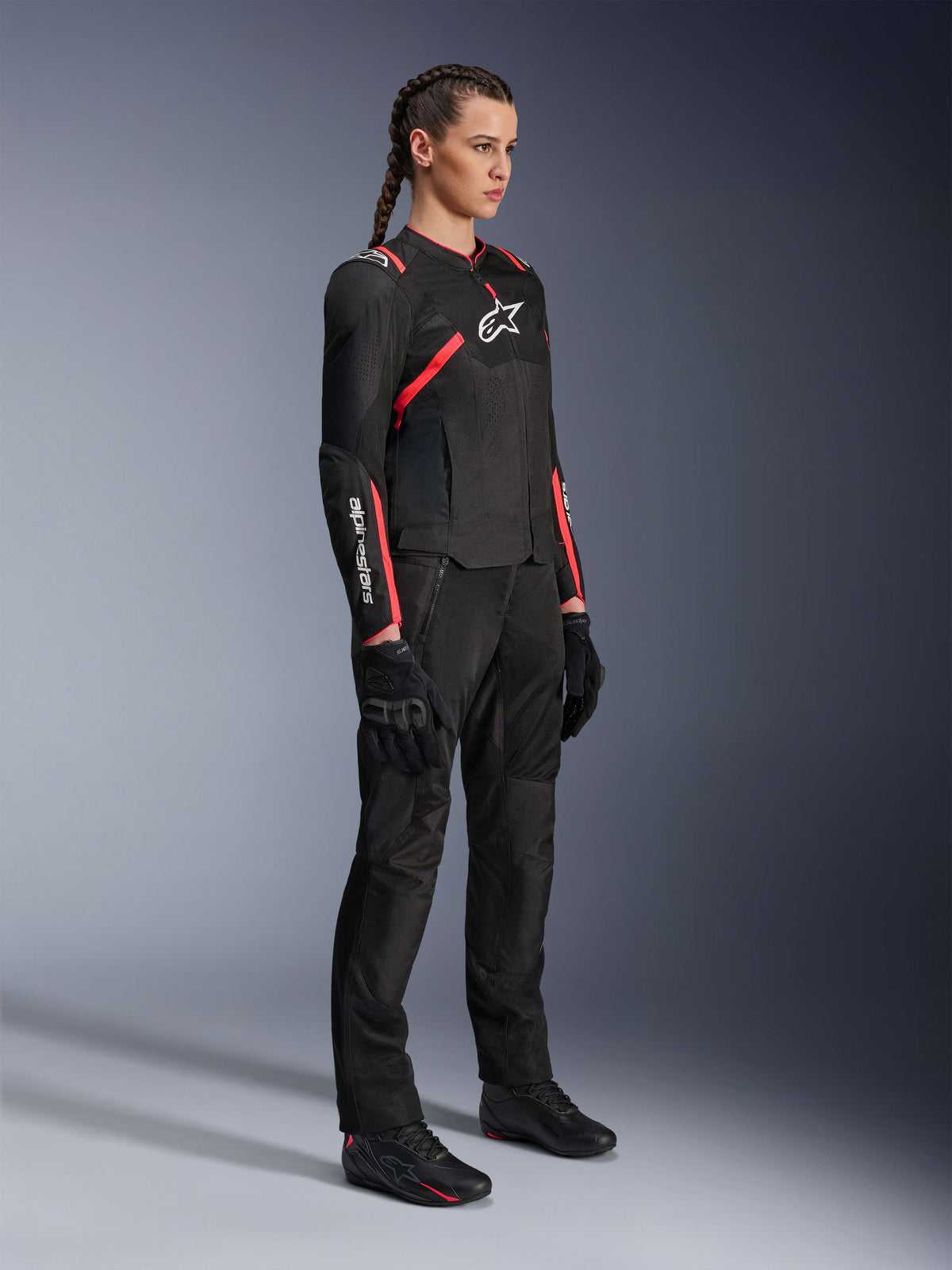


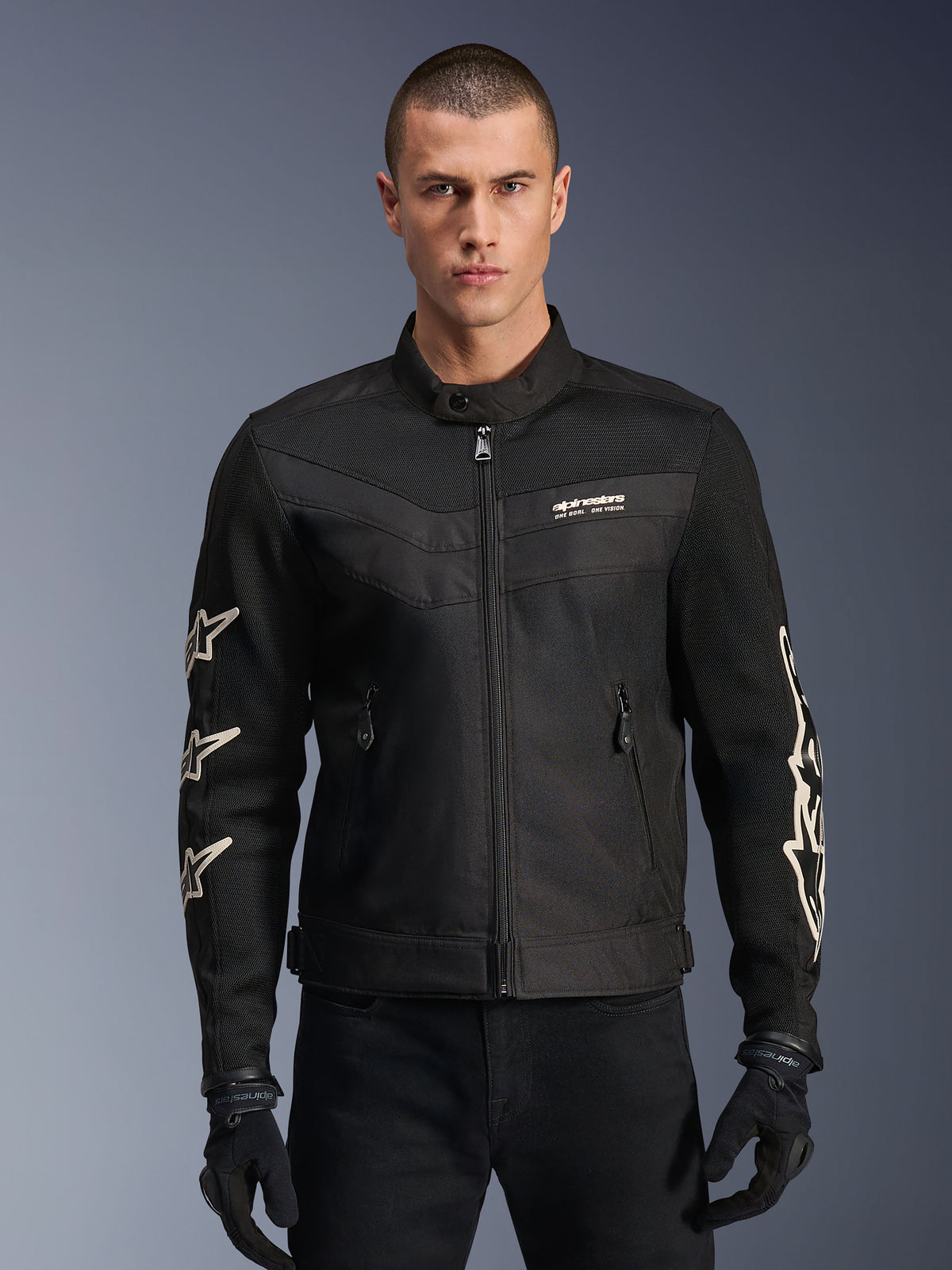


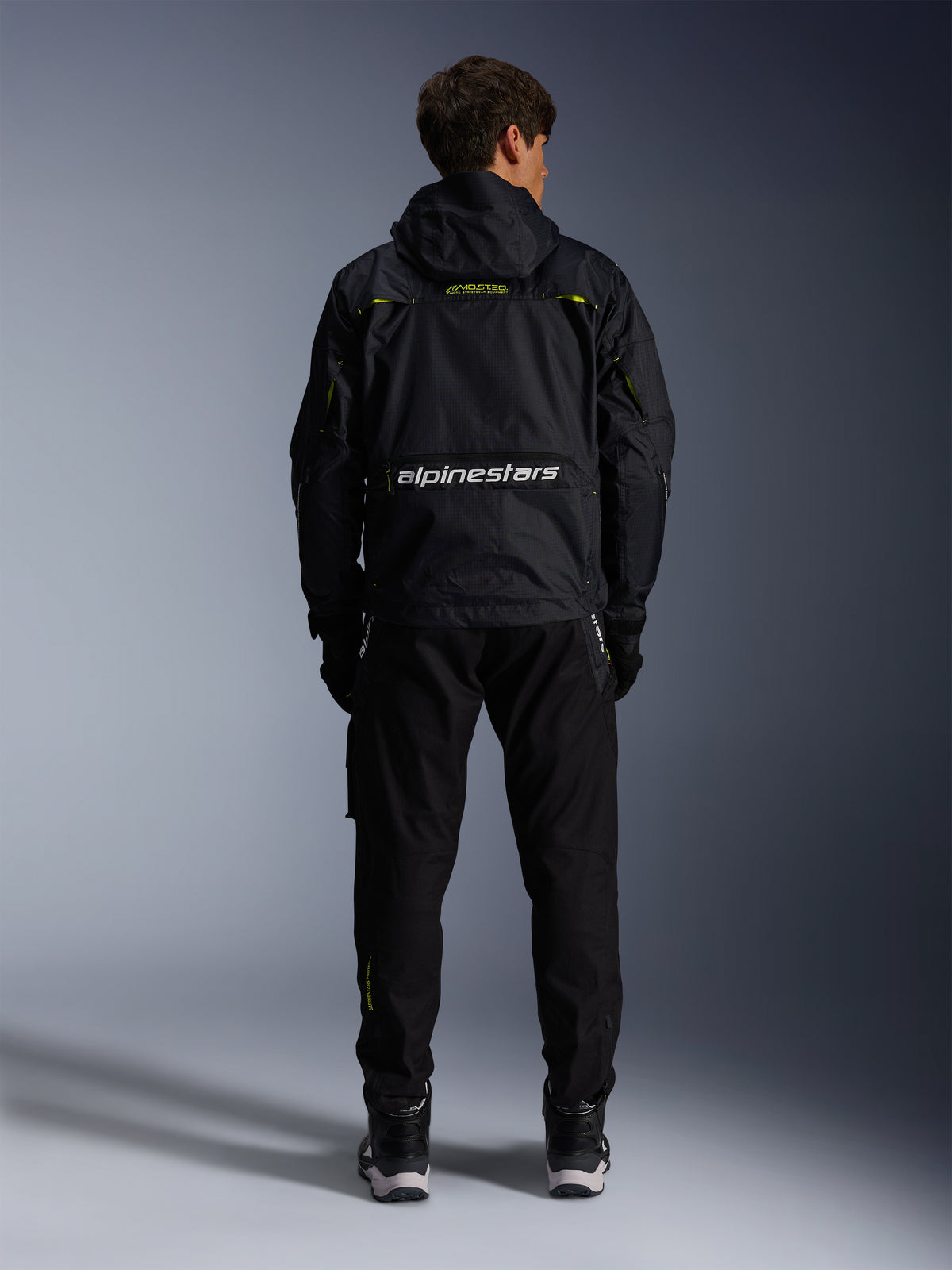

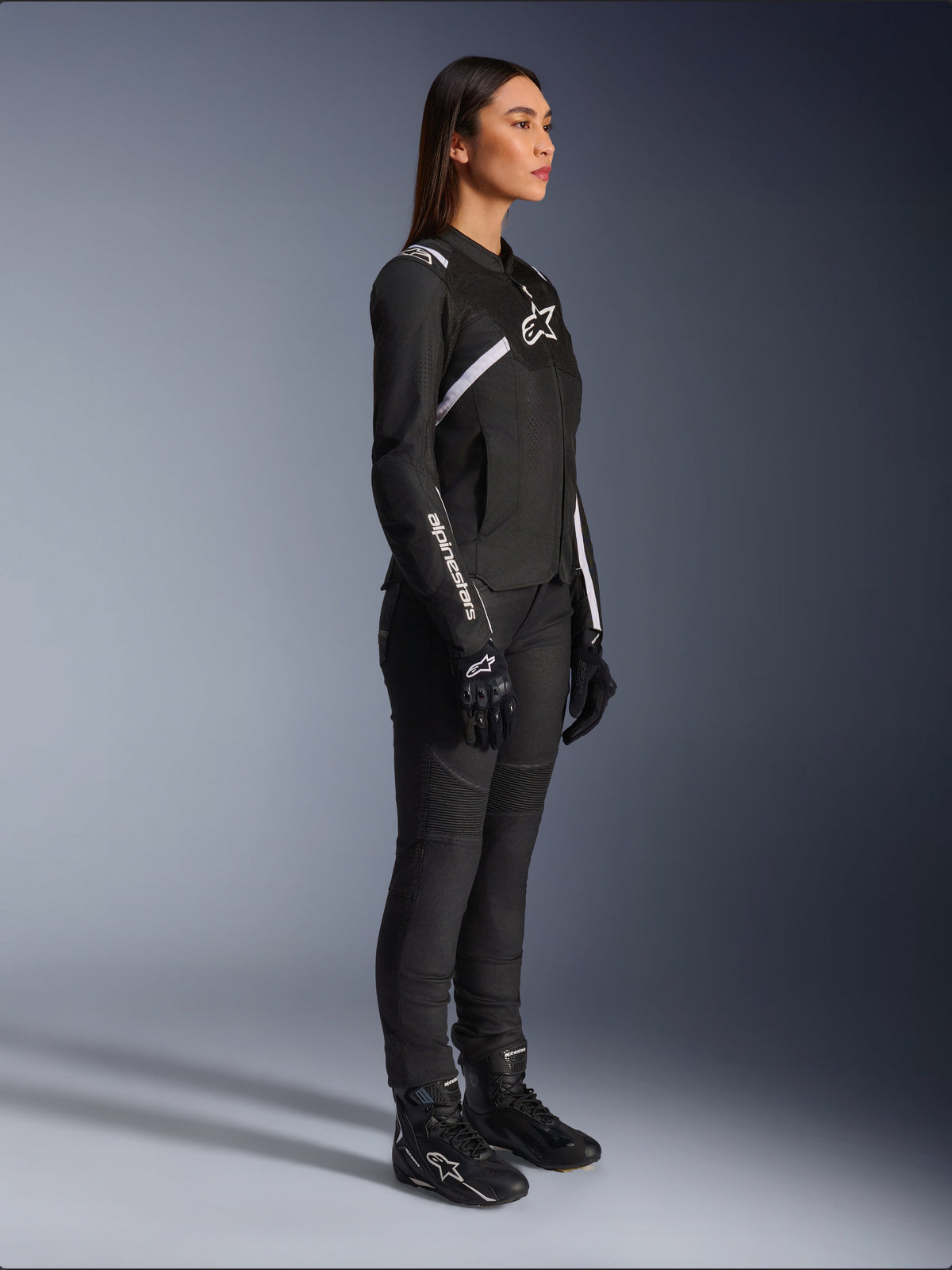


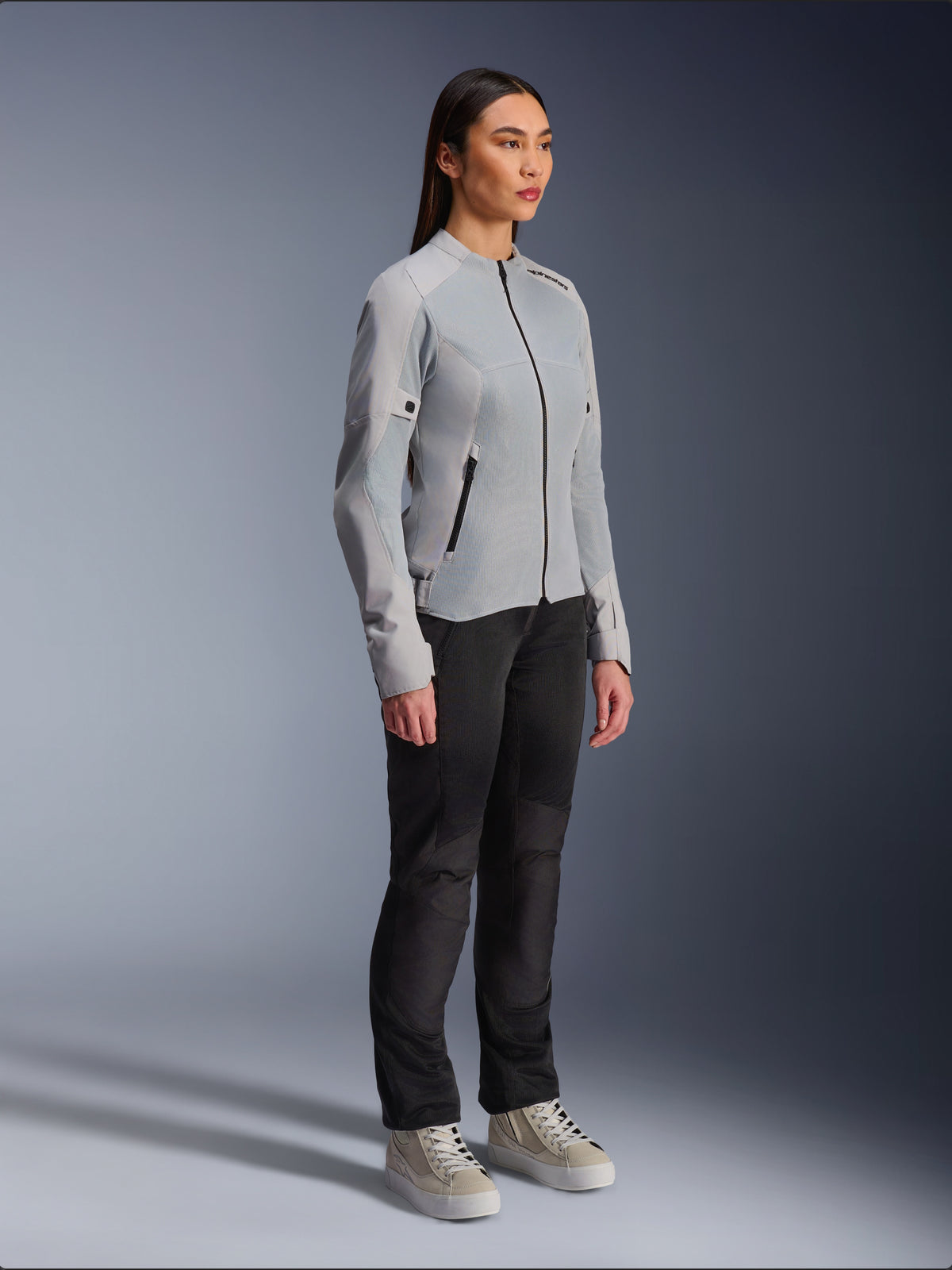


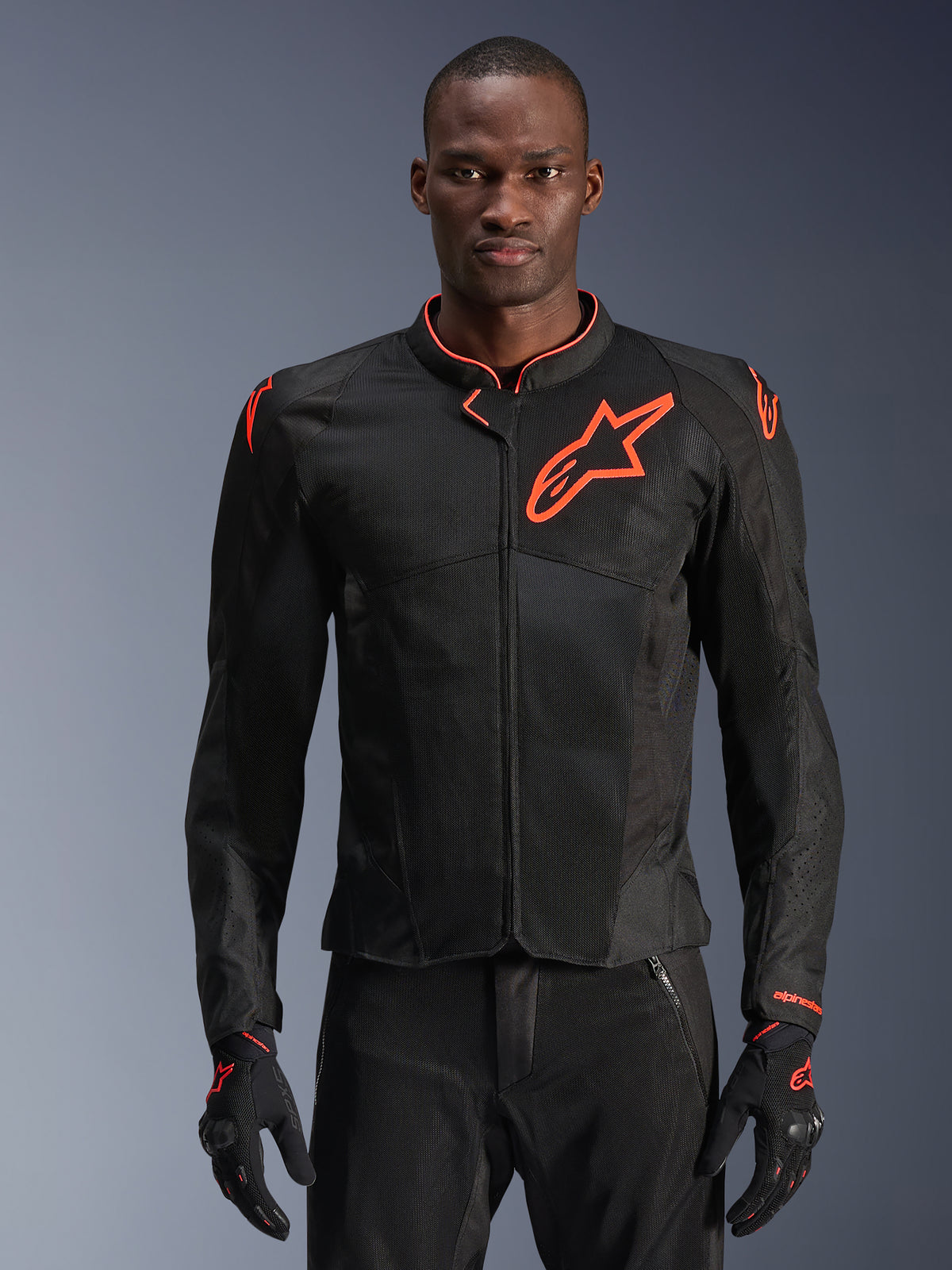


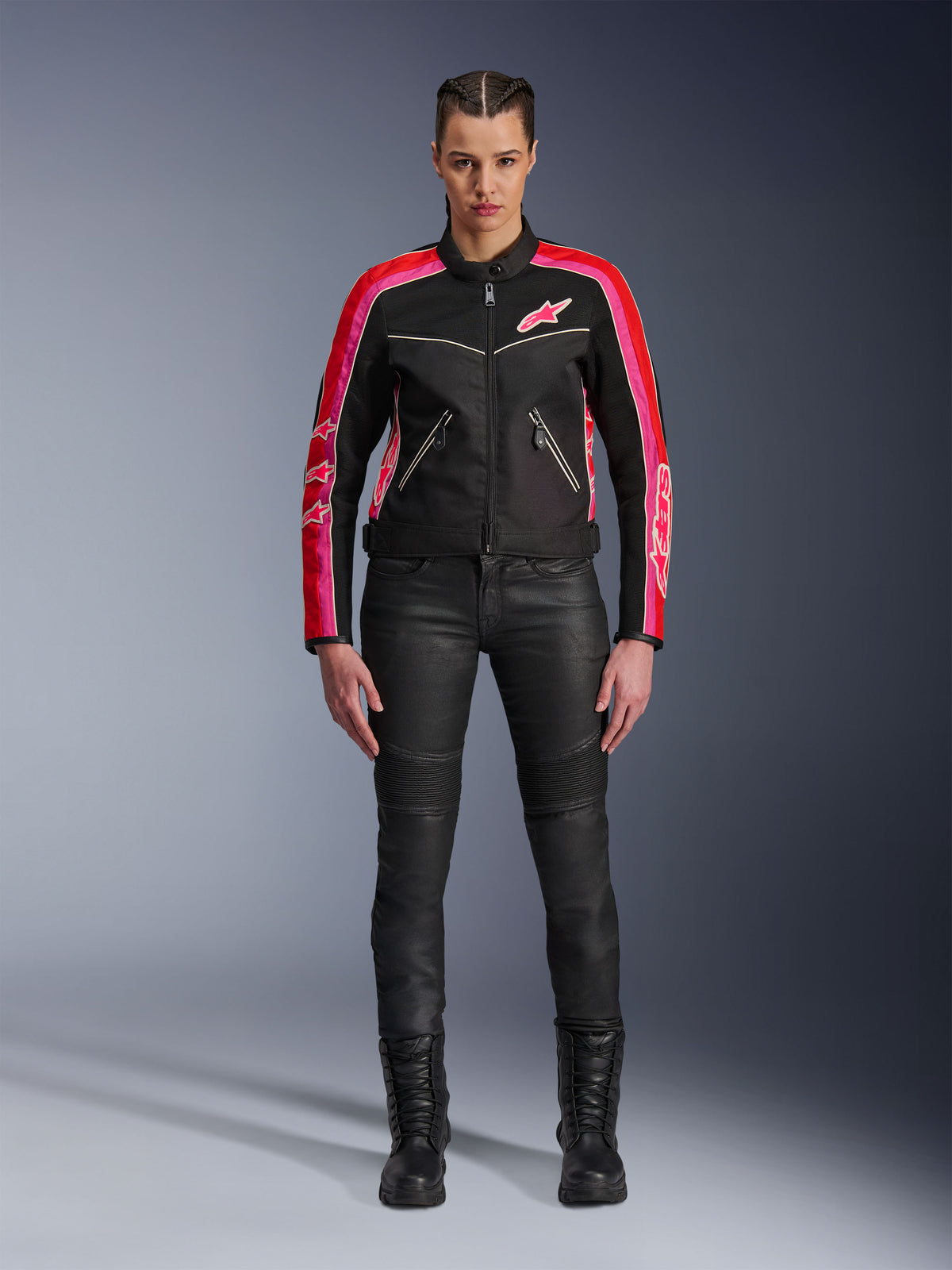






Frequently asked questions Hide FAQs
What types of summer moto jackets are included in this collection?
This collection covers motorcycle jackets designed for hot-weather riding, with a focus on airflow, reduced bulk, and on-bike comfort. Across the range, riders can expect lightweight textile, mesh, and airflow-focused constructions suited to street, sport, commuting, and warm-weather touring use.
Some styles prioritize maximum ventilation through large mesh zones, while others balance airflow with a more structured chassis for broader road use. For more riding categories, you can also explore road jackets, urban jackets, and textile jackets.
Are summer motorcycle jackets protective, or are they mainly for airflow?
Summer motorcycle jackets are designed to improve ventilation without giving up core riding protection. In this category, the key difference versus casual outerwear is the combination of breathable construction with motorcycle-specific materials, impact protection zones, and a cut designed for the riding position.
Protection details vary by jacket, so it is important to check the individual product page for the exact CE certification, included armor, and compatible back or chest protection. In general, summer jackets aim to balance airflow, abrasion resistance, and stable armor positioning rather than focusing on ventilation alone.
How should a summer moto jacket fit?
A summer moto jacket should fit close enough to keep armor correctly positioned at the shoulders and elbows, but not so tight that it restricts movement or blocks airflow. When zipped, the jacket should feel secure in the riding position, with sleeves and torso staying in place when you reach forward to the bars.
Use the size chart on each product page and compare it with your chest, waist, and sleeve measurements. If you plan to wear a base layer underneath, account for that when choosing your size. A fit that is too loose can let protectors shift, while an overly tight fit can reduce comfort on hot rides.
Are summer moto jackets good for very hot weather and long rides?
Yes, this collection is intended for warm to hot riding conditions where airflow and lower weight matter. Jackets in this category typically use mesh panels, perforated zones, or other ventilation-focused constructions to help move air across the body during urban riding, commuting, and longer summer road use.
The right choice depends on how and where you ride. High-airflow mesh options are often preferred in peak heat and stop-and-go traffic, while more structured ventilated jackets can make sense for riders who want a broader balance of airflow, weather resistance, and coverage during longer road rides.
How do I wash and care for a summer motorcycle jacket?
Always follow the care label first, because summer jackets can combine mesh, technical textiles, coatings, and protective components that need different treatment. As a general rule, remove any detachable protectors if the garment allows it, close zippers and hook-and-loop fasteners, and wash with cold water and mild detergent on a gentle cycle or as directed on the label.
Avoid bleach, fabric softeners, and high heat, which can shorten the life of technical fabrics, elastic panels, and protective materials. Air-dry the jacket away from direct heat or sunlight, and inspect the mesh, seams, and armor pockets regularly so the jacket continues to perform as intended.