
92 results
-
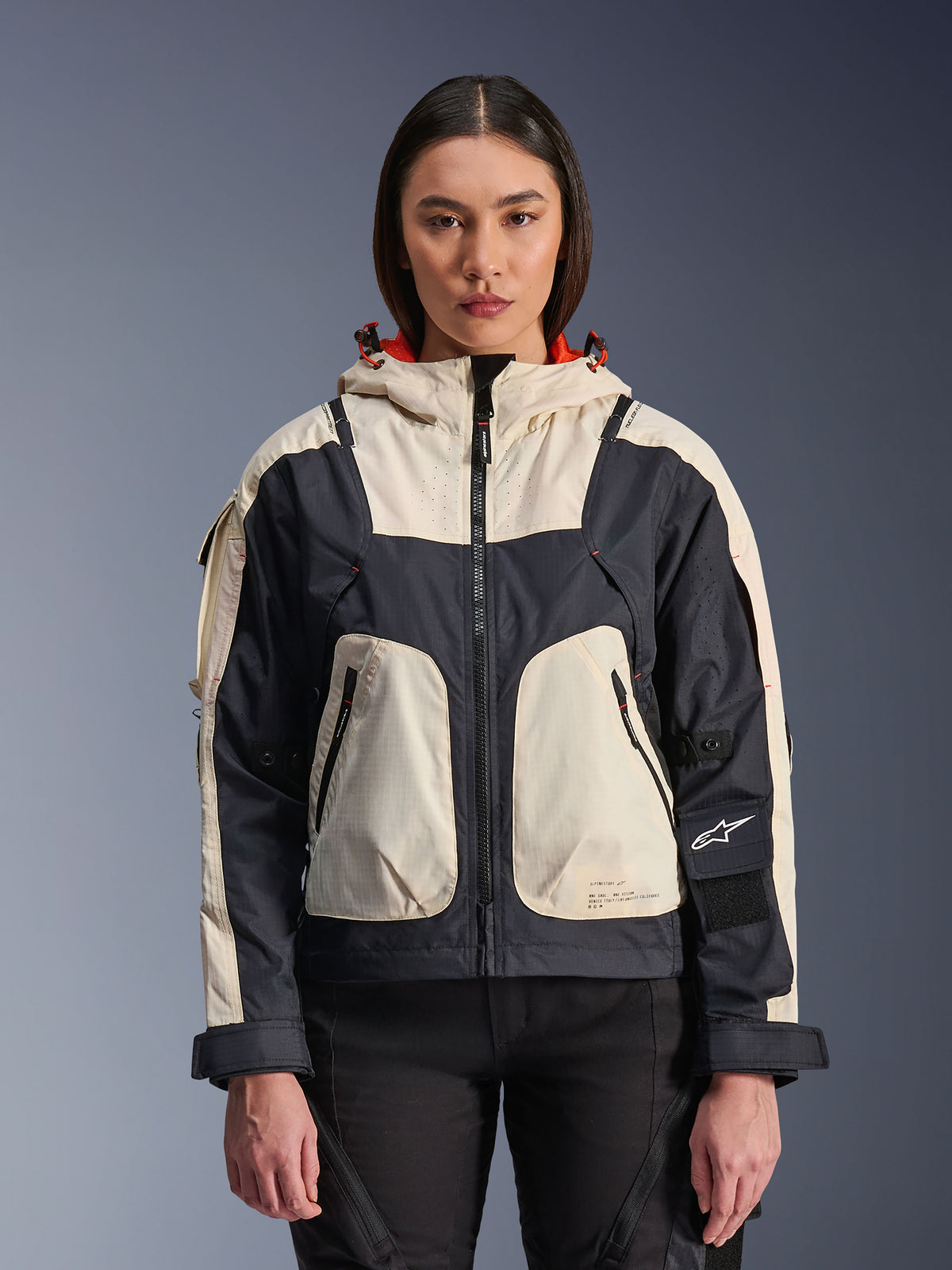
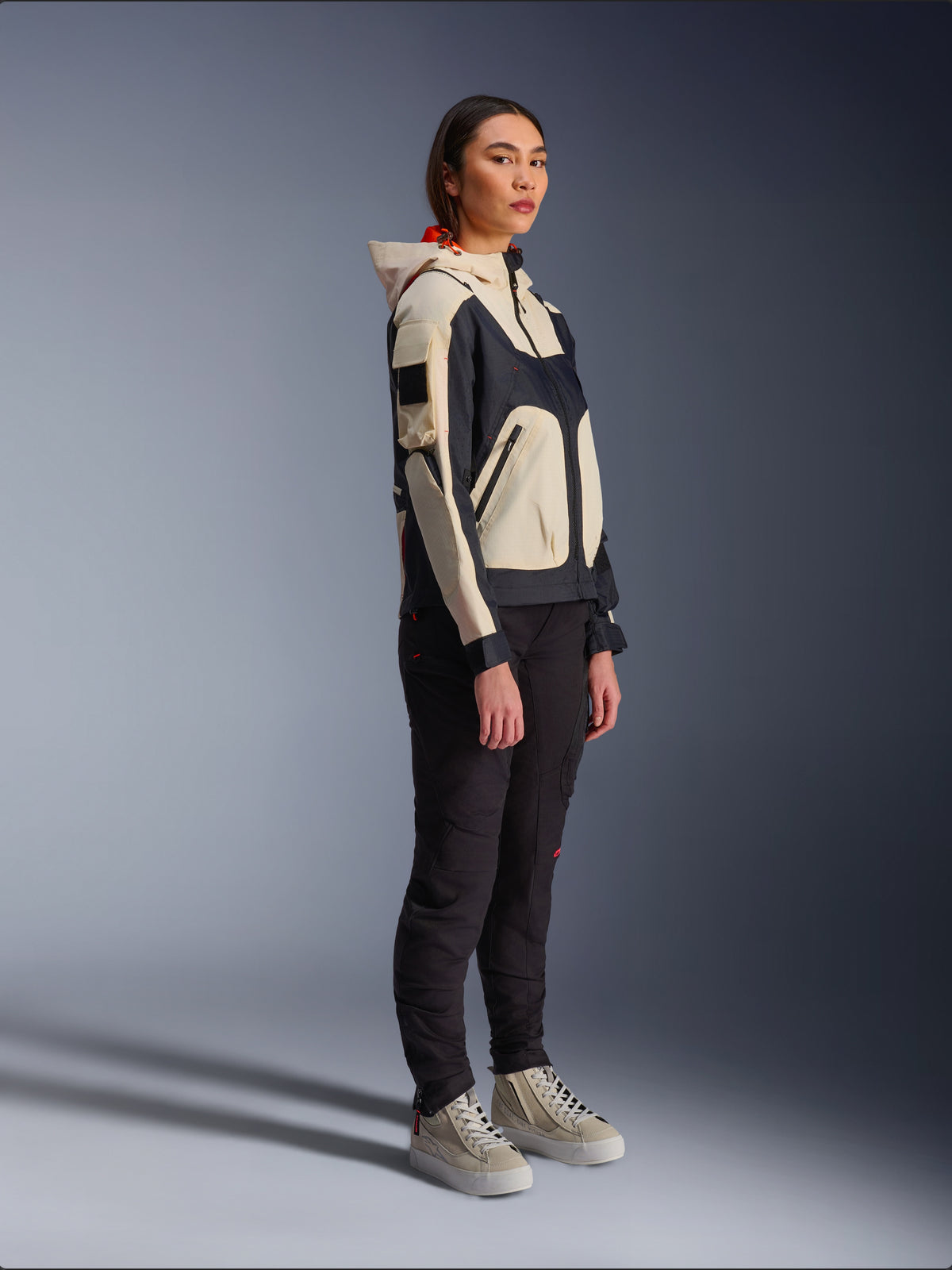
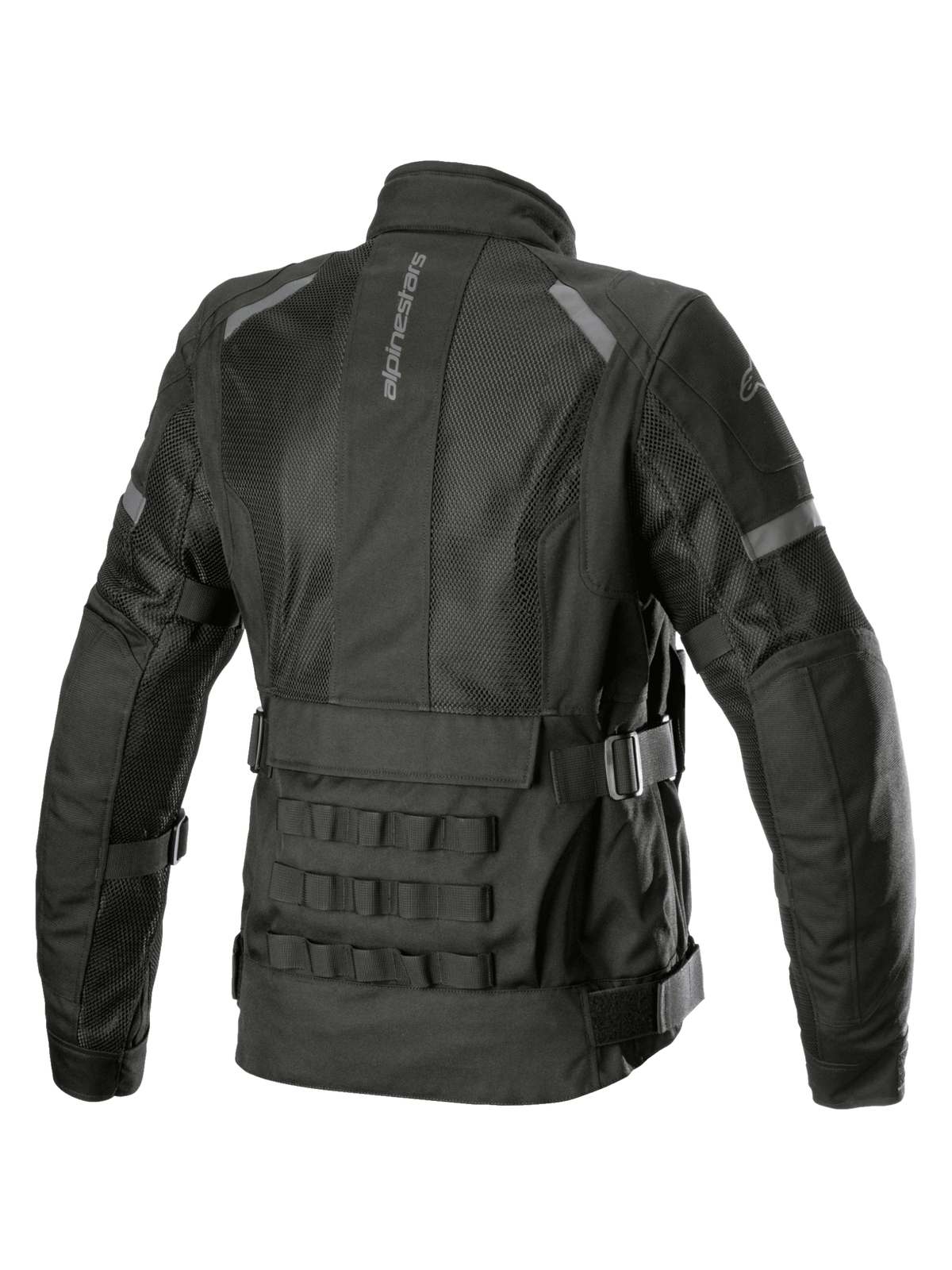
Stella C-1 Air Jacket -
Stella T-Dyno Water Resistant Jacket -
Stella ST-2 Air Jacket -
Molly Air Jacket -
Stella T-Dyno Water Resistant Jacket -
Stella T-Dyno Air Jacket -
Stella Crosshill Waterproof Air Jacket -
Stella Bogota' Pro Drystar® Jacket -
Stella ST-1 Waterproof Jacket -
Isla Water Resistant Jacket -
Stella ST-1 Waterproof Jacket -
Stella Bogota' Pro Drystar® Jacket -
Isla Water Resistant Jacket -
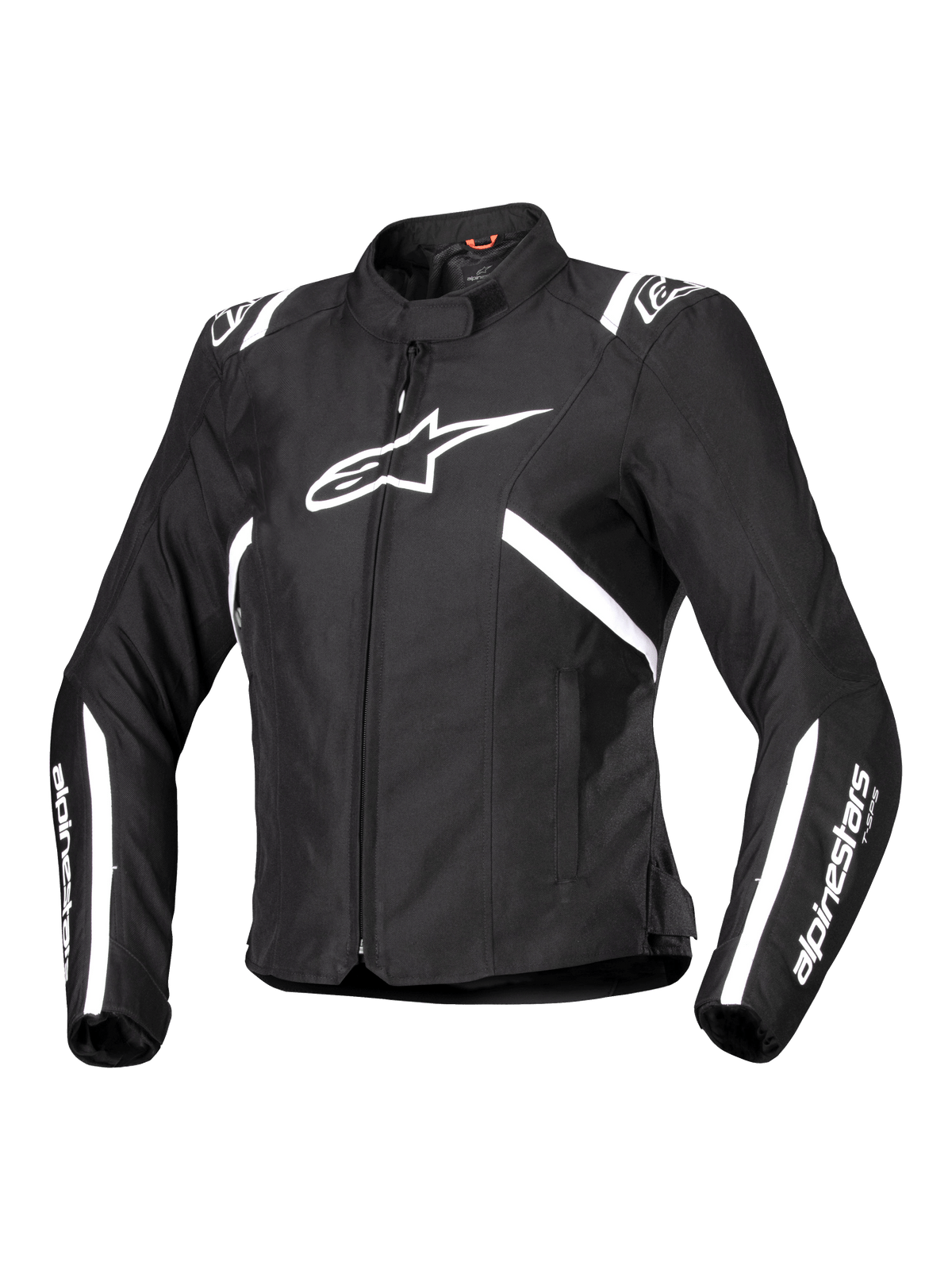
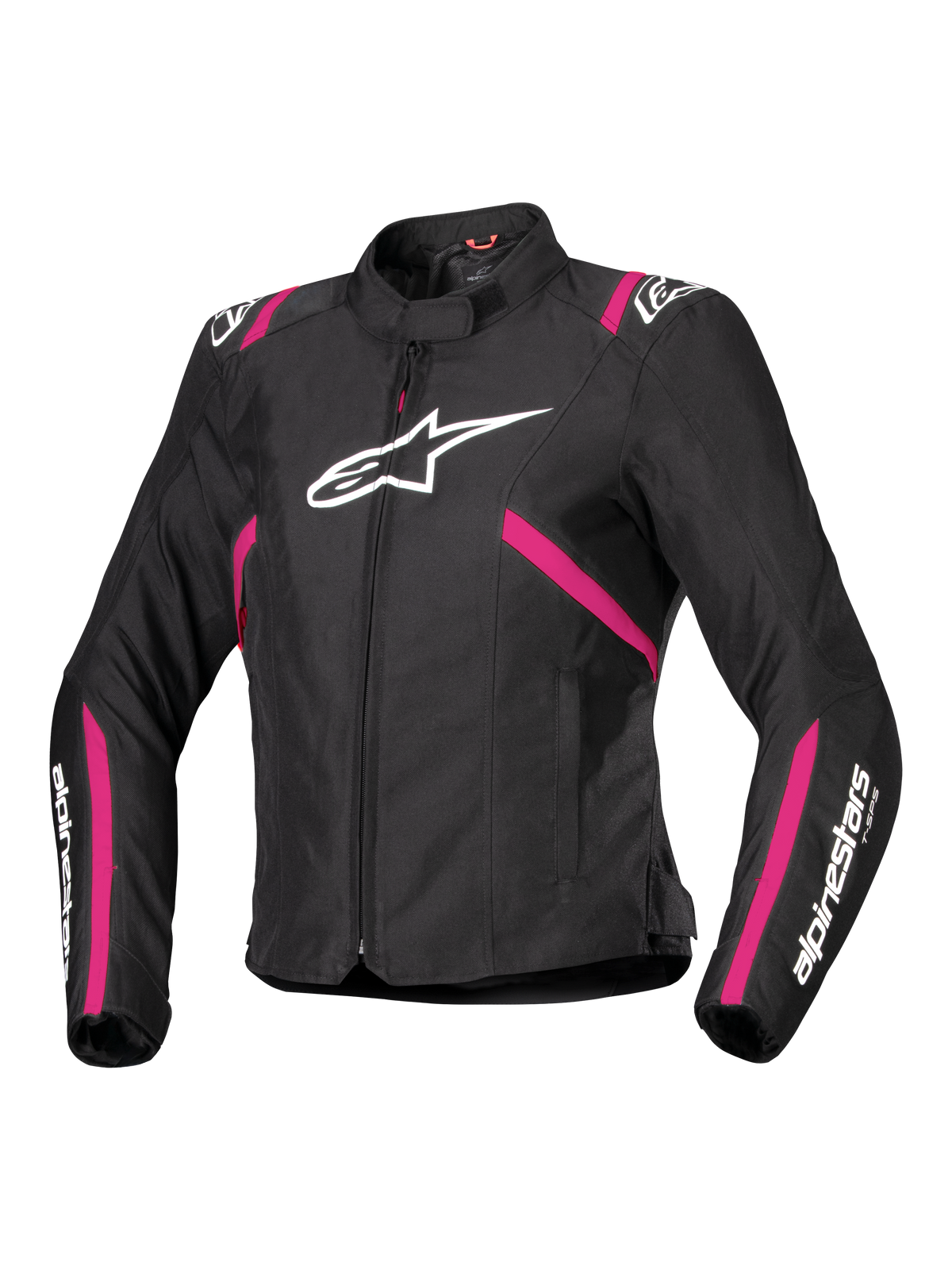
Stella T-SPS V2 Waterproof Jacket -
Stella ST-1 Waterproof Jacket -
Stella T-SPS V2 Waterproof Jacket -
Stella T-Jaws V4 Waterproof Jacket -
Stella T-SPS V2 Waterproof Jacket -
Stella T-Jaws V4 Waterproof Jacket -
Stella T-SPS V2 Waterproof Jacket -
Stella T-Jaws V4 Waterproof Jacket -
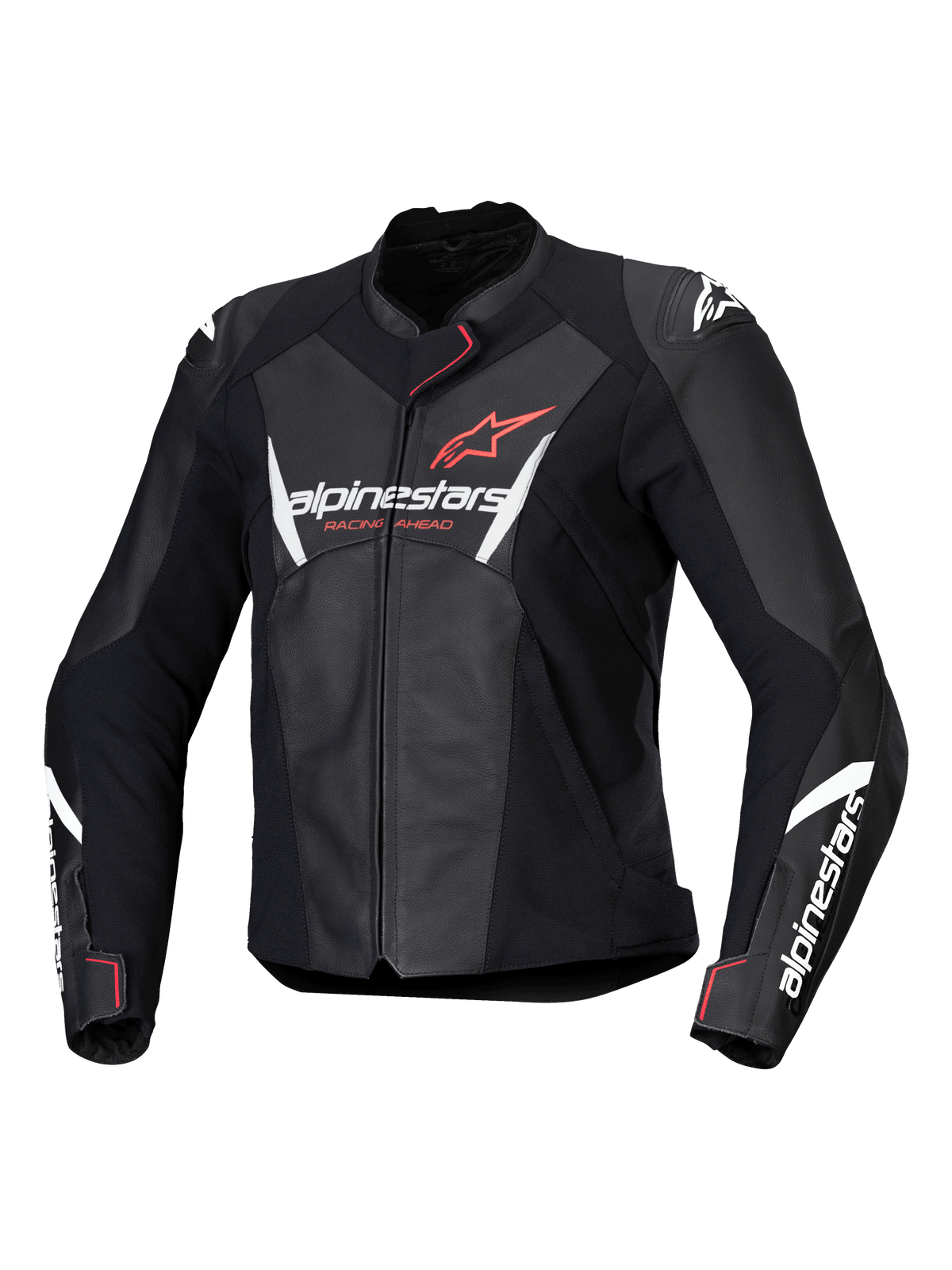
Stella Faster V3 Leather Jacket -
Stella Faster V3 Leather Jacket -
Stella Faster V3 Leather Jacket -
Tory Leather Jacket -
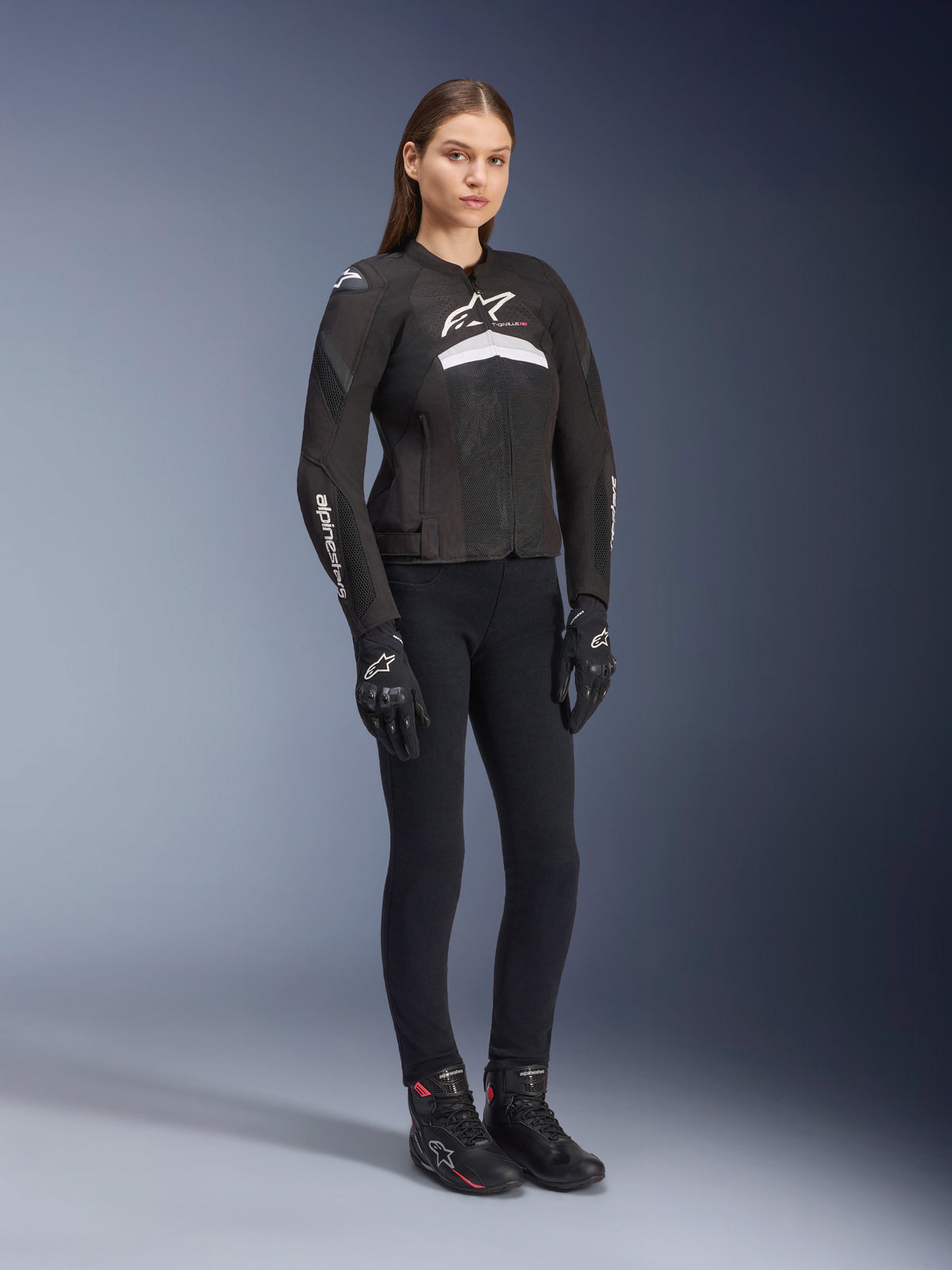
Stella T-GP Plus R V4 Jacket -
Stella T-GP Plus R V4 Jacket -
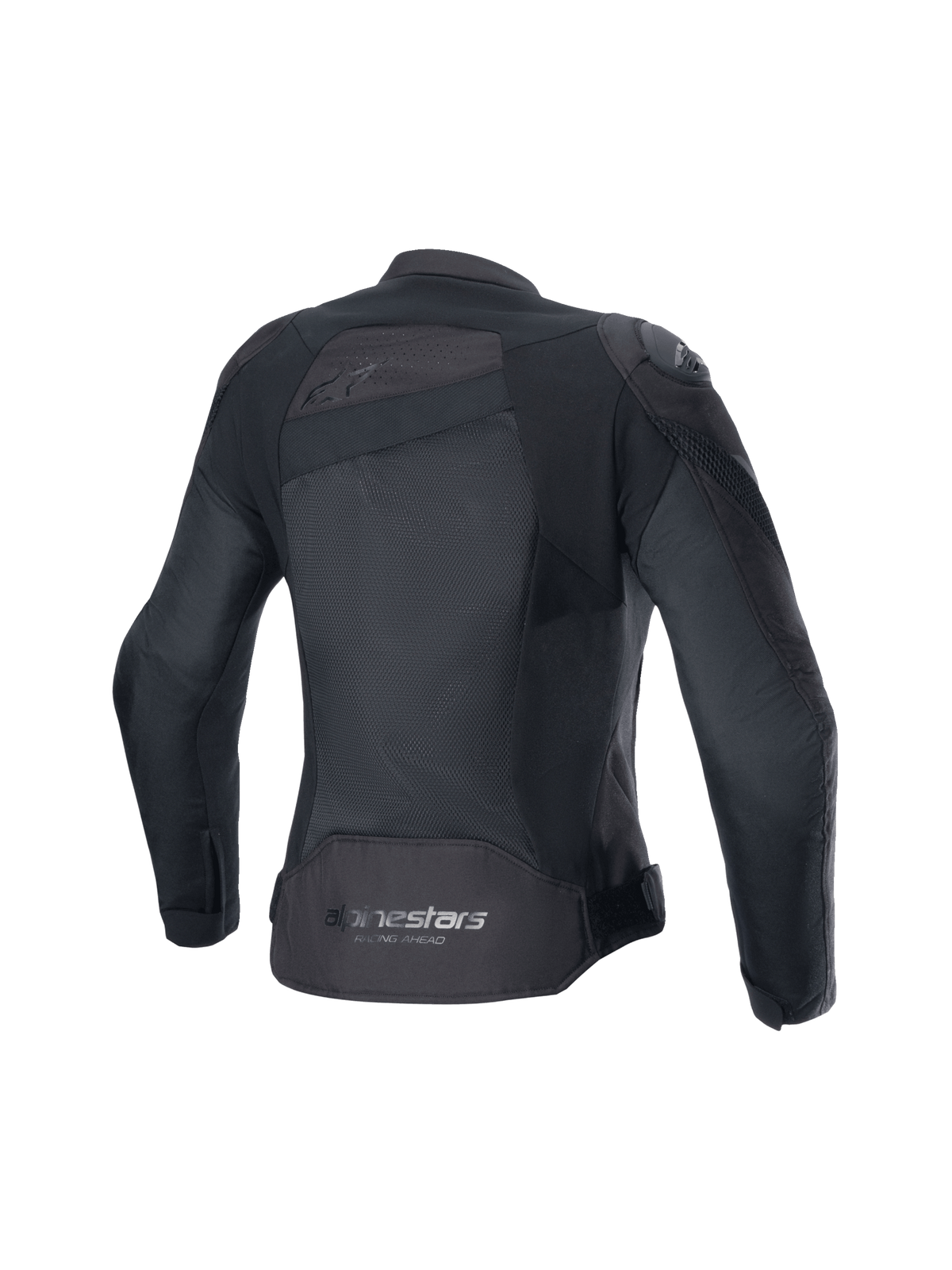
Stella T-GP Plus R V4 Airflow Jacket -
Stella T-GP Plus R V4 Airflow Jacket -
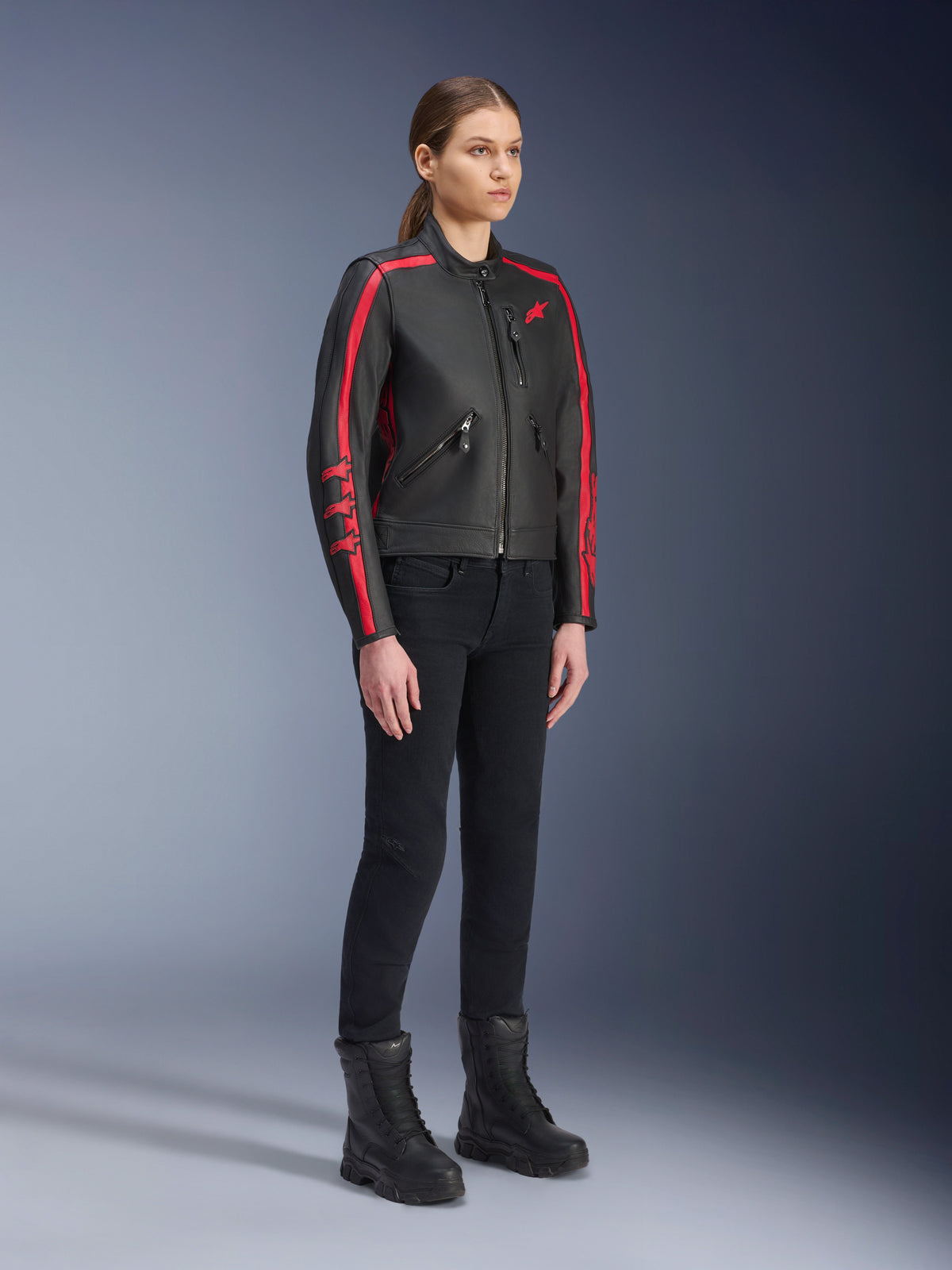
Stella Dyno Leather Jacket -
Stella Dyno Leather Jacket -
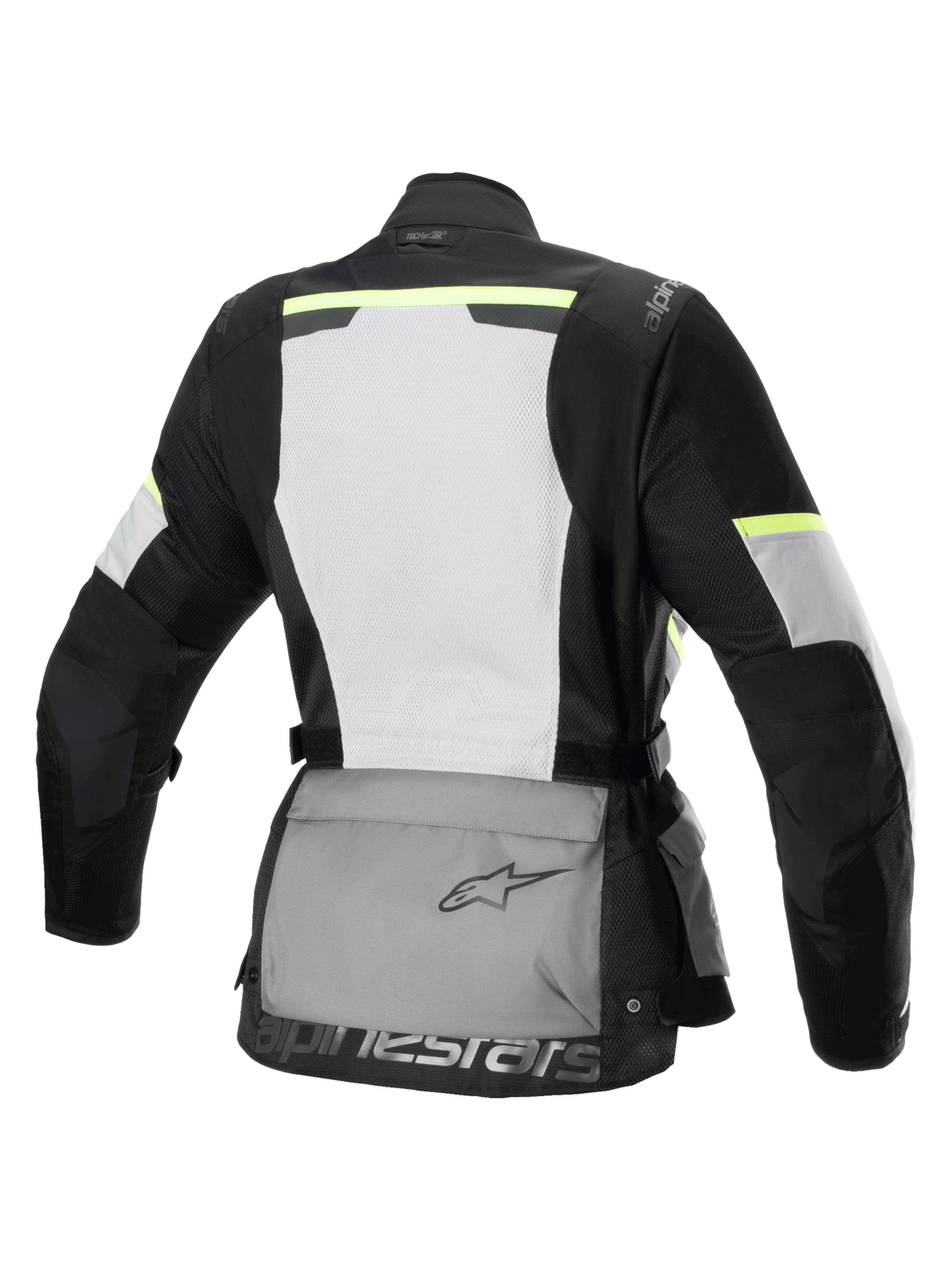
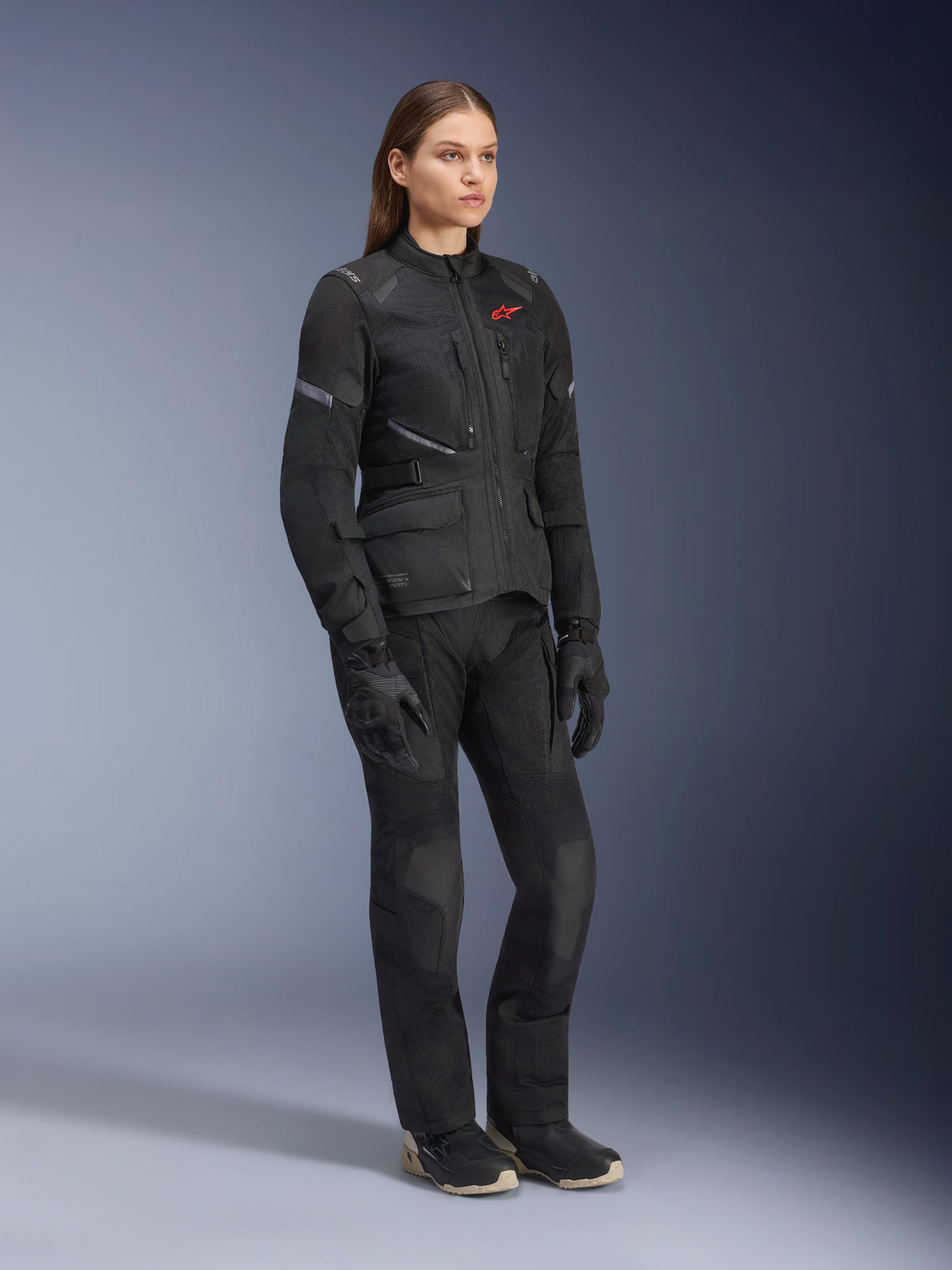
Stella Andes Air Drystar® Jacket -
Stella Andes Air Drystar® Jacket -
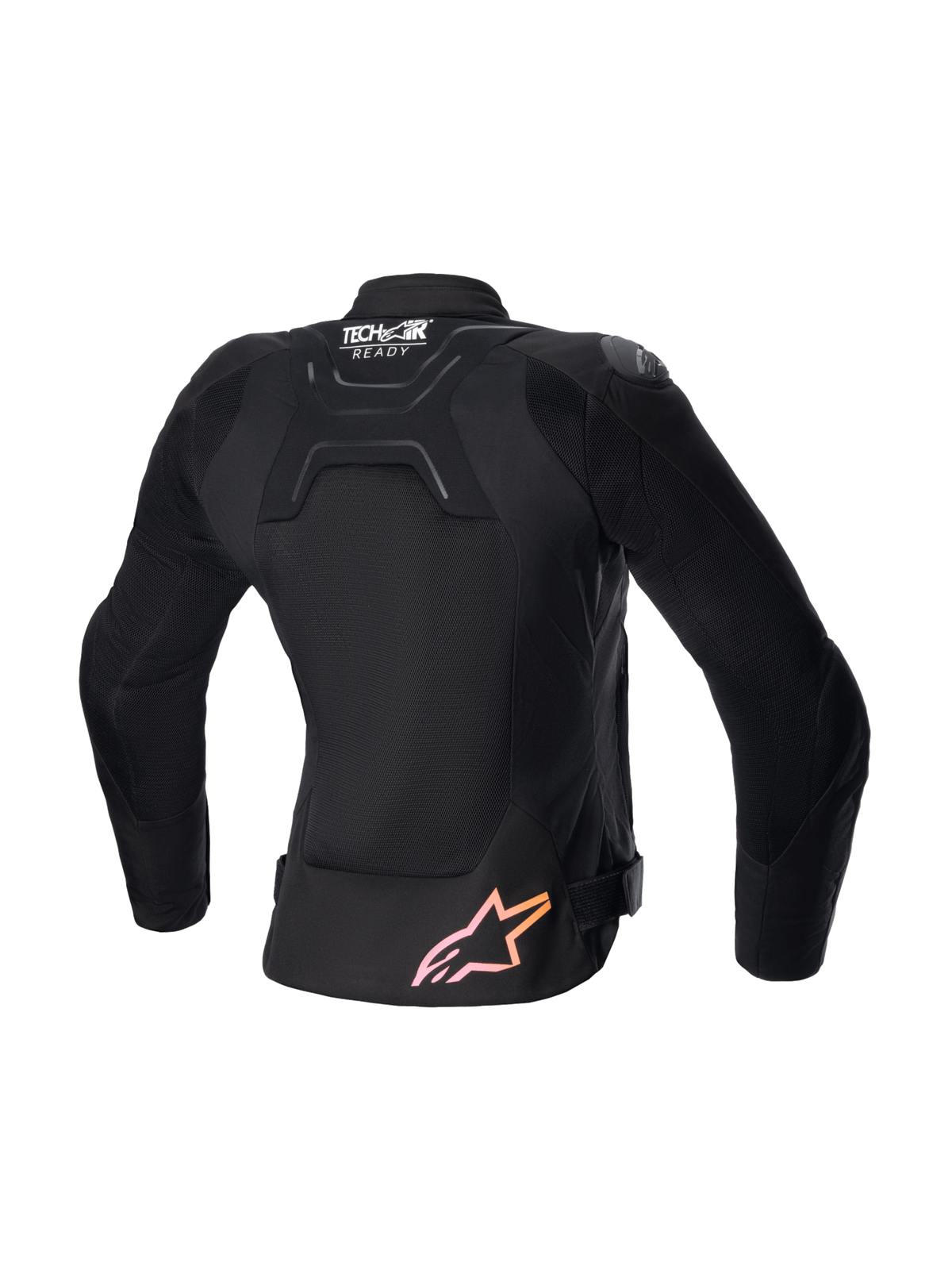
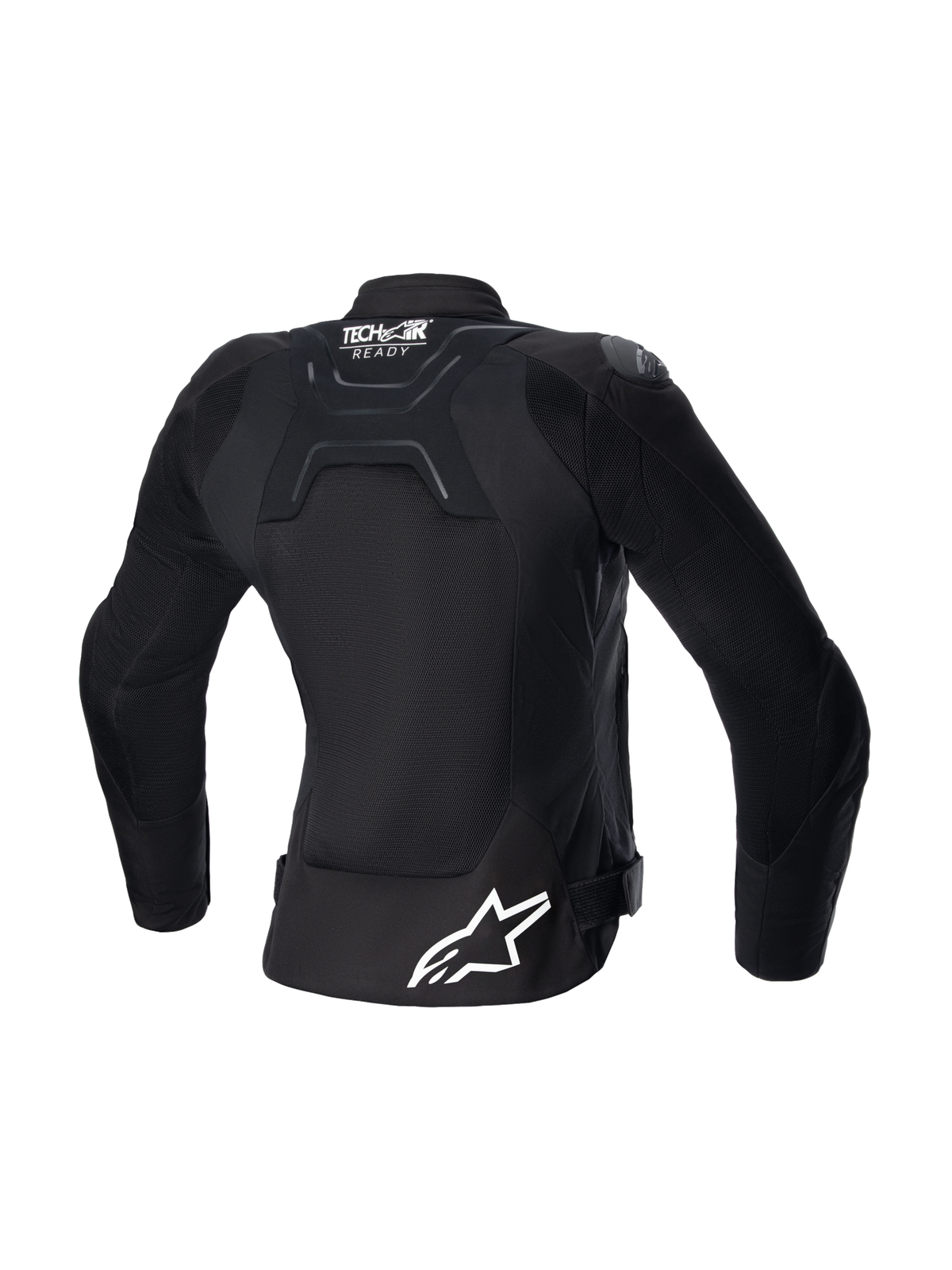
Stella SMX Air Jacket -
Stella SMX Air Jacket -
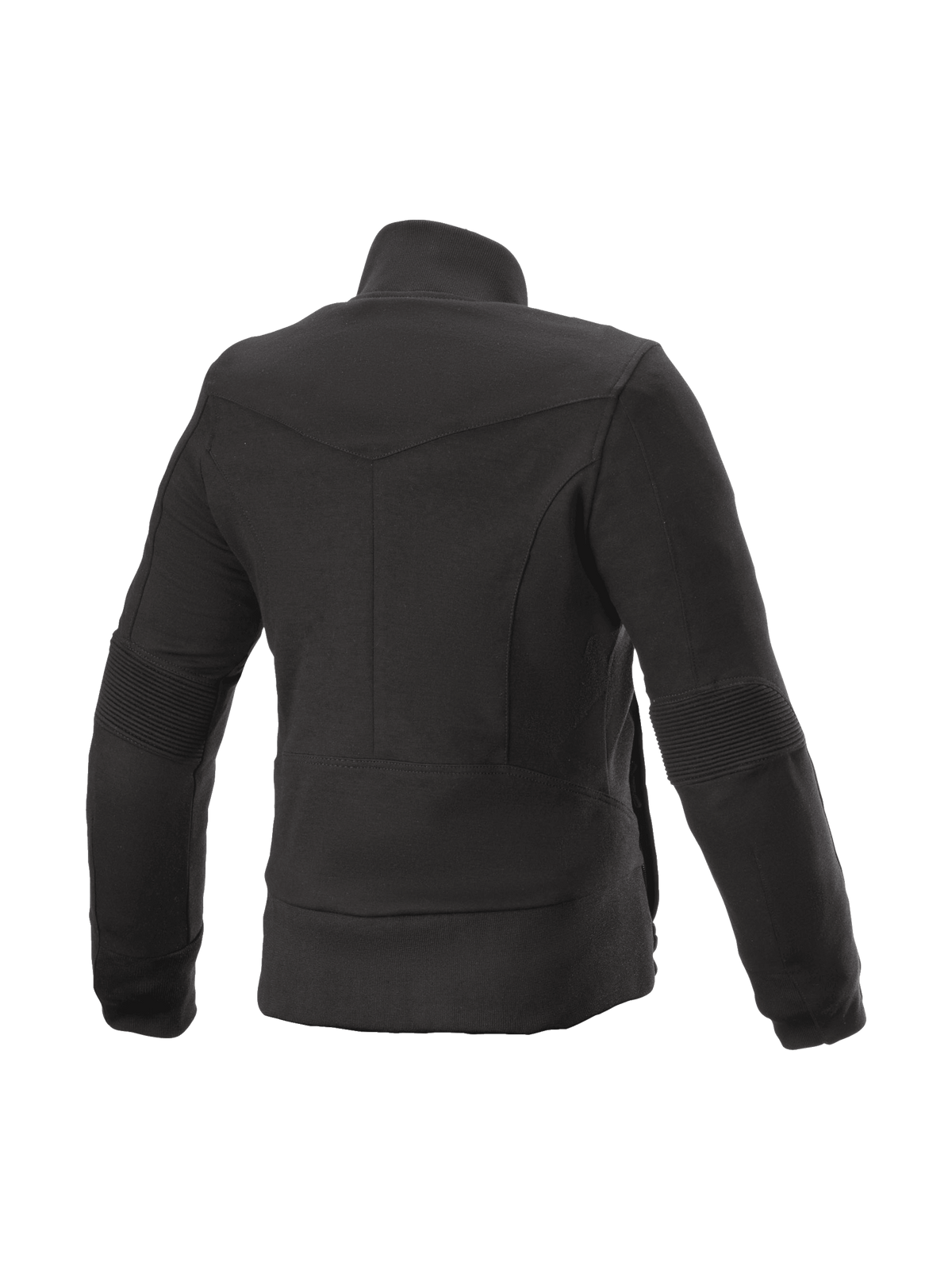
Banshee Fleece



























Frequently asked questions Hide FAQs
How should women’s motorcycle jackets fit, and how do I choose the right size?
Women’s motorcycle jackets should fit close enough to keep the shoulder and elbow armor stable, but not so tight that they restrict reach, breathing, or movement in the riding position. A correct fit should feel secure across the shoulders, bust, waist, and hips, with sleeve length and body length still covering properly when you are seated on the bike.
Measure your bust, waist, and hips and compare them with the size chart. If you plan to wear base layers, a back or chest insert, or a compatible Tech-Air® airbag system, allow enough space for that setup rather than choosing the jacket like casual outerwear.
Should I choose a women’s leather motorcycle jacket or a textile jacket?
The right choice depends on your riding style, climate, and how much weather versatility you need. Leather jackets are typically preferred for sport-oriented road riding and a closer, more form-fitting feel, while textile jackets usually offer broader versatility for commuting, touring, ventilation, and wet-weather use.
| Construction | Best For | Typical Strengths |
|---|---|---|
| Leather | Sport and aggressive road riding | Close fit, strong abrasion resistance, race-inspired feel |
| Textile / Mesh | Urban riding, commuting, mixed weather | Lighter weight, airflow options, easier weather management |
If you want a leather-focused selection, browse women’s leather motorcycle jackets.
Are women’s motorcycle jackets CE certified, and what standards should I look for?
Many motorcycle jackets are tested as protective garments under EN 17092, with classes such as AAA, AA, or A indicating different balances of abrasion performance, construction strength, and comfort. Impact protectors are rated separately: shoulder and elbow armor typically reference EN 1621-1, back protectors EN 1621-2, and chest protectors EN 1621-3 where applicable.
When comparing jackets in this collection, check both the garment certification and the armor specification on the product page. That gives you a clearer picture of overall jacket performance and the protection level in each impact zone.
Are these women’s jackets compatible with Tech-Air airbag systems?
Many styles in this collection are designed to work with Alpinestars Tech-Air® airbag systems, but compatibility is not universal across every jacket. A compatible jacket is patterned and constructed to accommodate the airbag system’s fit and deployment requirements while maintaining rider mobility.
Always confirm the product page labeling before ordering, and choose your size with the airbag setup in mind. You can explore available Tech-Air® systems and verify specific pairings with the Tech-Air® compatibility checker.
Which women’s motorcycle jacket is best for hot weather, rain, or touring?
Hot-weather riding usually calls for mesh or highly ventilated textile jackets that maximize airflow while keeping impact protection in place. For wet conditions or longer-distance touring, riders generally choose waterproof or laminated textile jackets that provide better wind and rain management and more room for layering.
| Riding Condition | Recommended Jacket Type | Main Benefit |
|---|---|---|
| Hot weather | Mesh / airflow textile | Maximum ventilation and lower heat build-up |
| Rain / variable weather | Waterproof textile | Improved weather protection and daily versatility |
| Touring | Waterproof or laminated touring jacket | Comfort across changing temperatures and longer rides |
If you ride across a wide temperature range, prioritize jackets with ventilation panels, weather protection, and enough adjustability to layer underneath without shifting the armor position.