








Frequently asked questions Hide FAQs
What does J11 mean for compatible protectors?
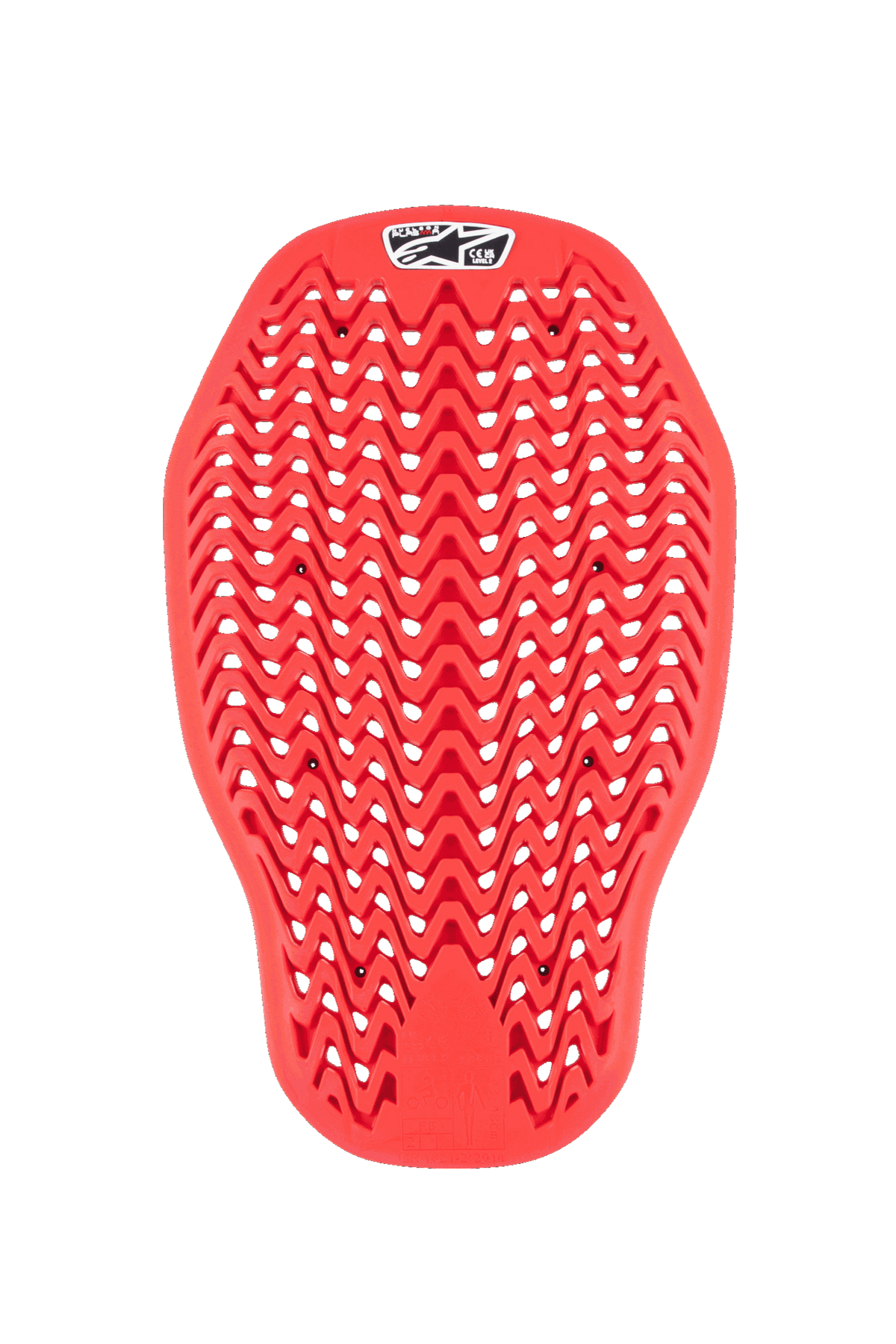
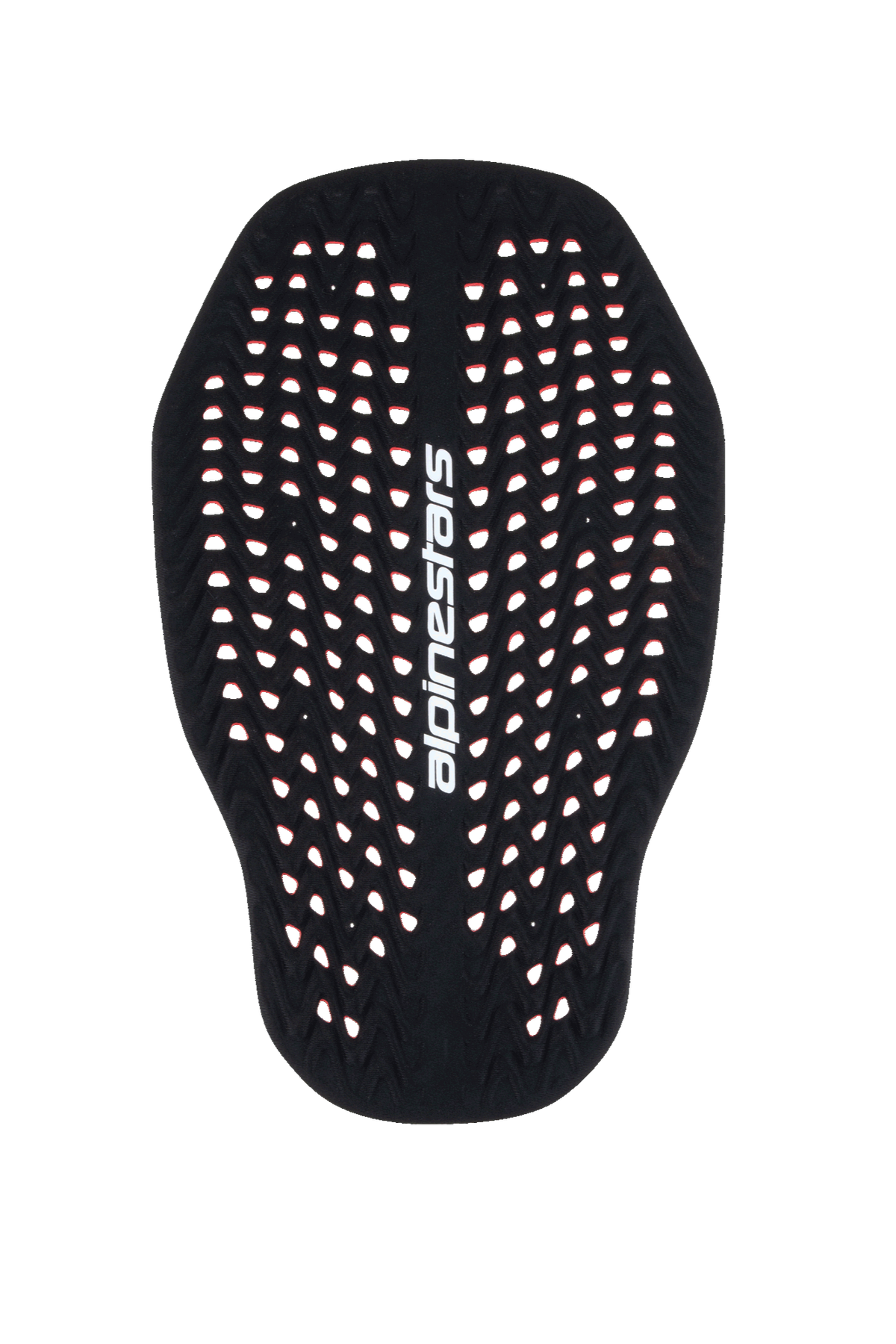
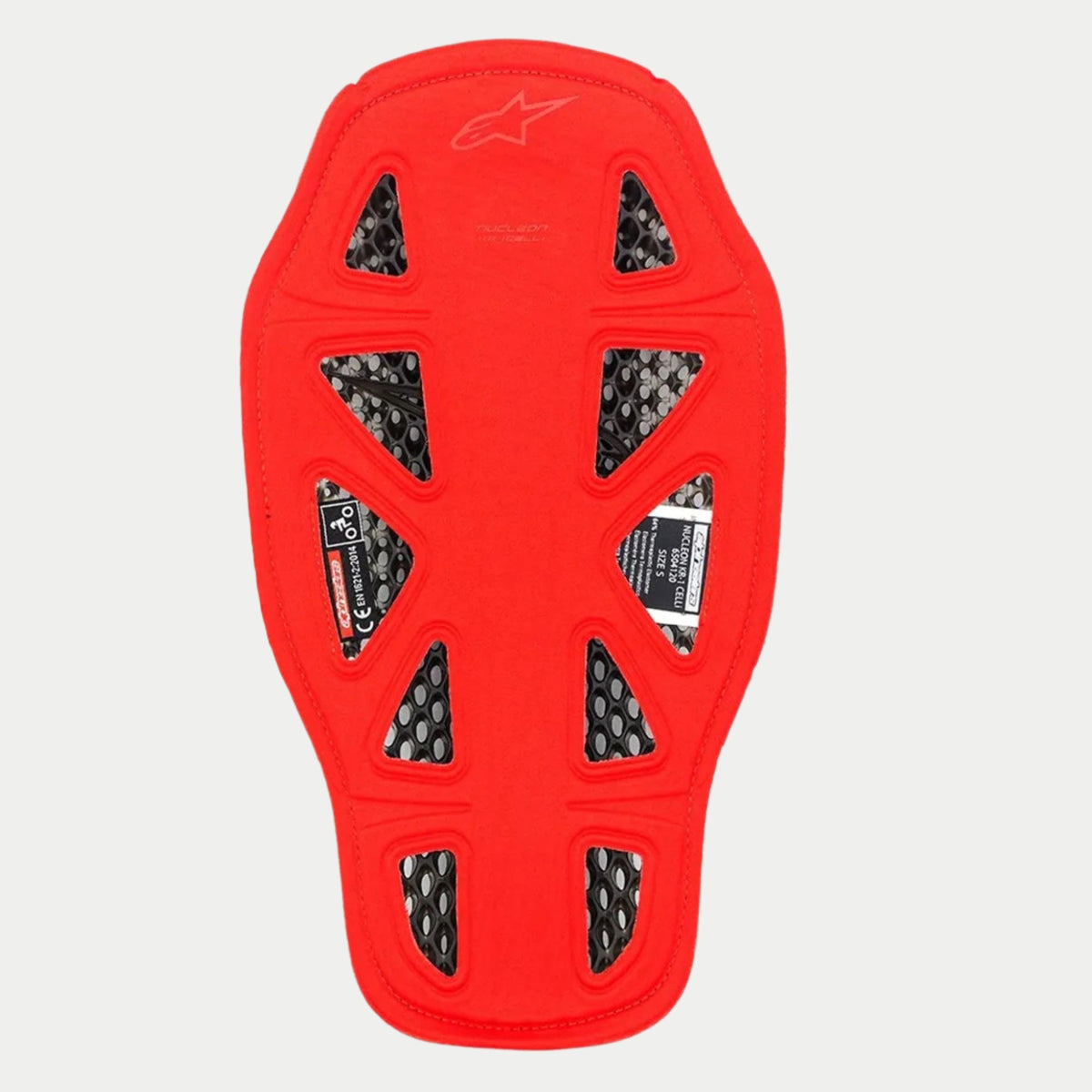
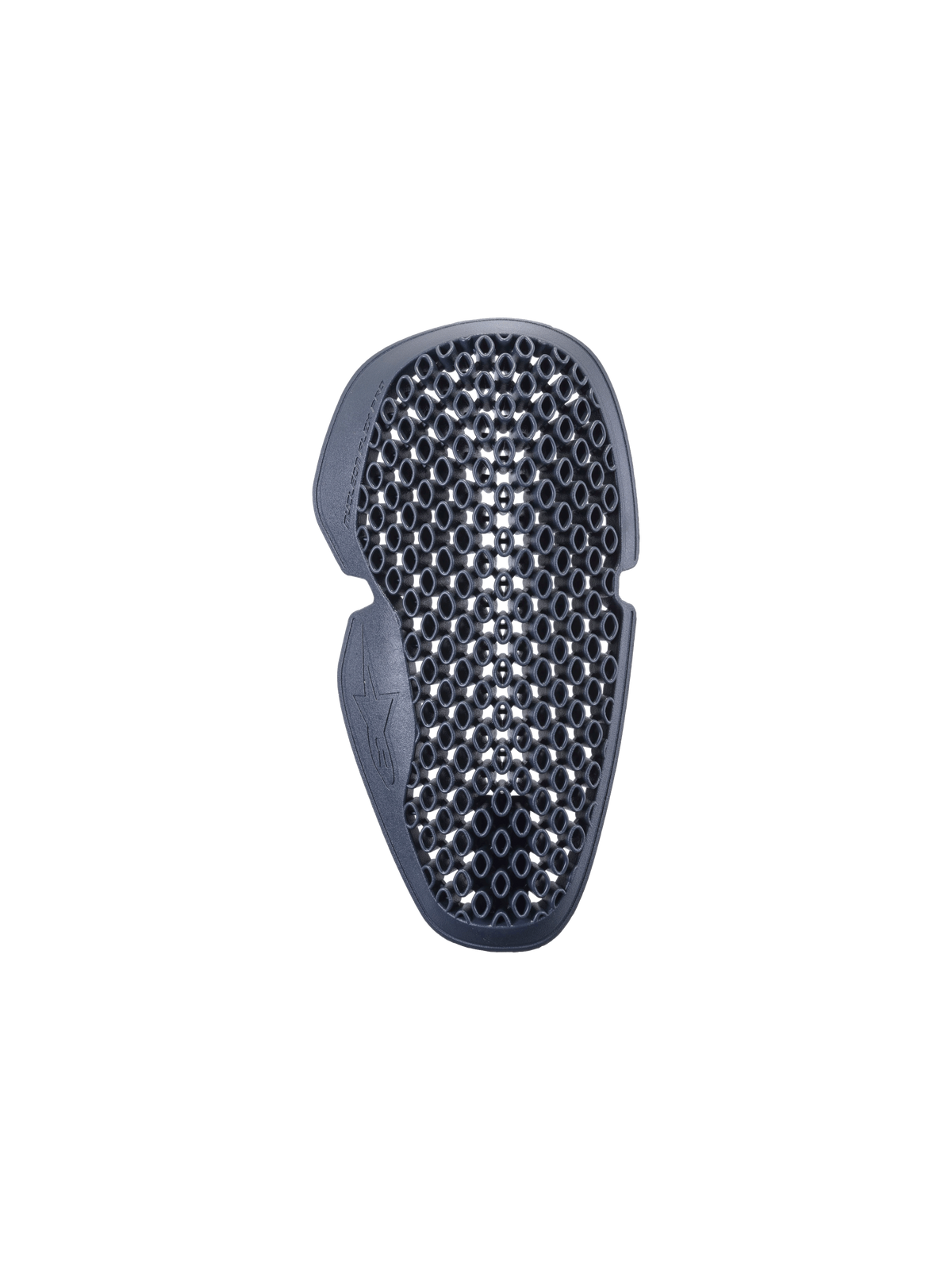
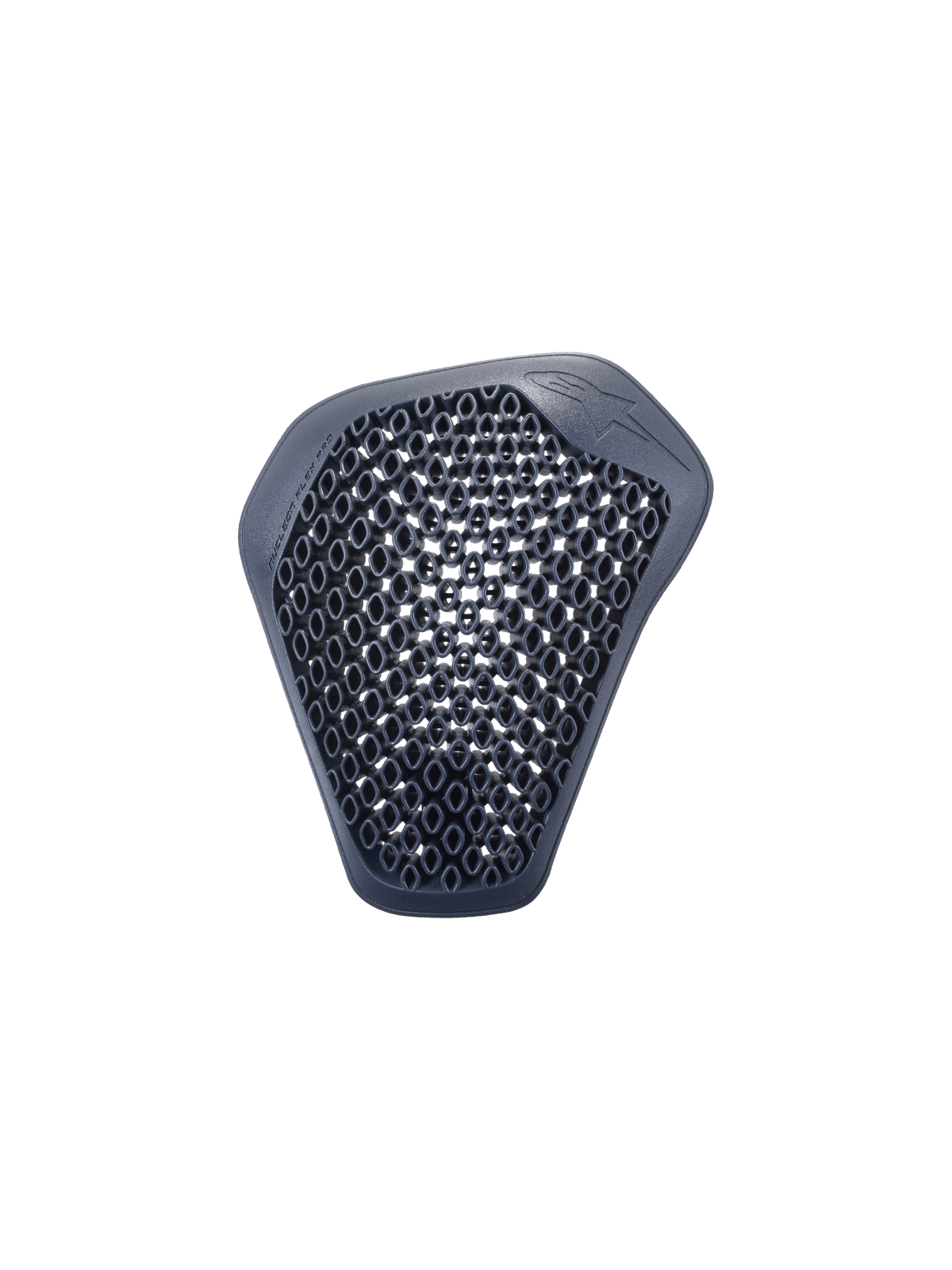
J11 is a fitment code used for protector inserts designed to match the shape and pocket layout of specific Alpinestars garments. In this collection, the focus is on inserts made for J11-compatible armor pockets rather than universal protectors.
That matters because motorcycle armor works best when it sits flat, stays stable, and covers the intended protection zone while riding. If your jacket, suit, or garment labeling specifies J11, choose from this collection instead of a different insert shape.
How do I know if my jacket or suit needs a J11-compatible protector?
Check the product page, care label, inner pocket labeling, or original garment specifications for the required protector code. The compatibility code is the key reference for replacement or upgrade inserts, because similar-looking armor can still differ in outline, thickness, and coverage.
If your garment does not specifically call for J11, do not assume the insert will fit correctly. For a broader view of available armor formats, you can also explore our protectors collection.
Are J11-compatible protectors CE certified, and what do Level 1 and Level 2 mean?
Many inserts in this type of collection are CE certified, but the exact standard depends on the body area. As a general guide, limb protectors commonly use EN 1621-1, back protectors use EN 1621-2, and chest protectors use EN 1621-3.
| Protection type | Typical standard | What Level 2 generally means |
|---|---|---|
| Shoulder / elbow / hip / knee | EN 1621-1 | Lower transmitted force than Level 1 |
| Back | EN 1621-2 | Higher impact attenuation for spine protection |
| Chest | EN 1621-3 | Higher impact attenuation for sternum and chest area |
Level 1 usually prioritizes lower bulk and flexibility, while Level 2 is chosen when riders want a higher impact-performance threshold. Always confirm the exact certification on the individual product page before ordering.
How do I choose the right size J11 protector insert?
Choose the insert according to both the garment size and the intended pocket location, such as back, chest, shoulder, elbow, or hip. The correct insert should fill the pocket cleanly without folding, bunching, or leaving large gaps that could let the protector shift during use.
When installed, the protector should lie flat and stay centered over the target impact area in a riding position. If you are between sizes, prioritize stable pocket fit and correct coverage rather than simply choosing the longest or thickest insert.
Can I use J11-compatible protectors with a Tech-Air airbag system?
Sometimes, but not automatically. Passive armor inserts and Tech-Air® airbags are designed to work as part of a complete protection system, and some airbag-ready garments have specific requirements for which inserts can remain installed and which may need to be removed.
Before pairing any protector insert with an airbag-ready jacket or suit, use the Tech-Air® compatibility checker and review the available Tech-Air® systems. Follow the garment-specific instructions so the airbag has the correct space and the armor remains properly positioned.