
52 résultats
-
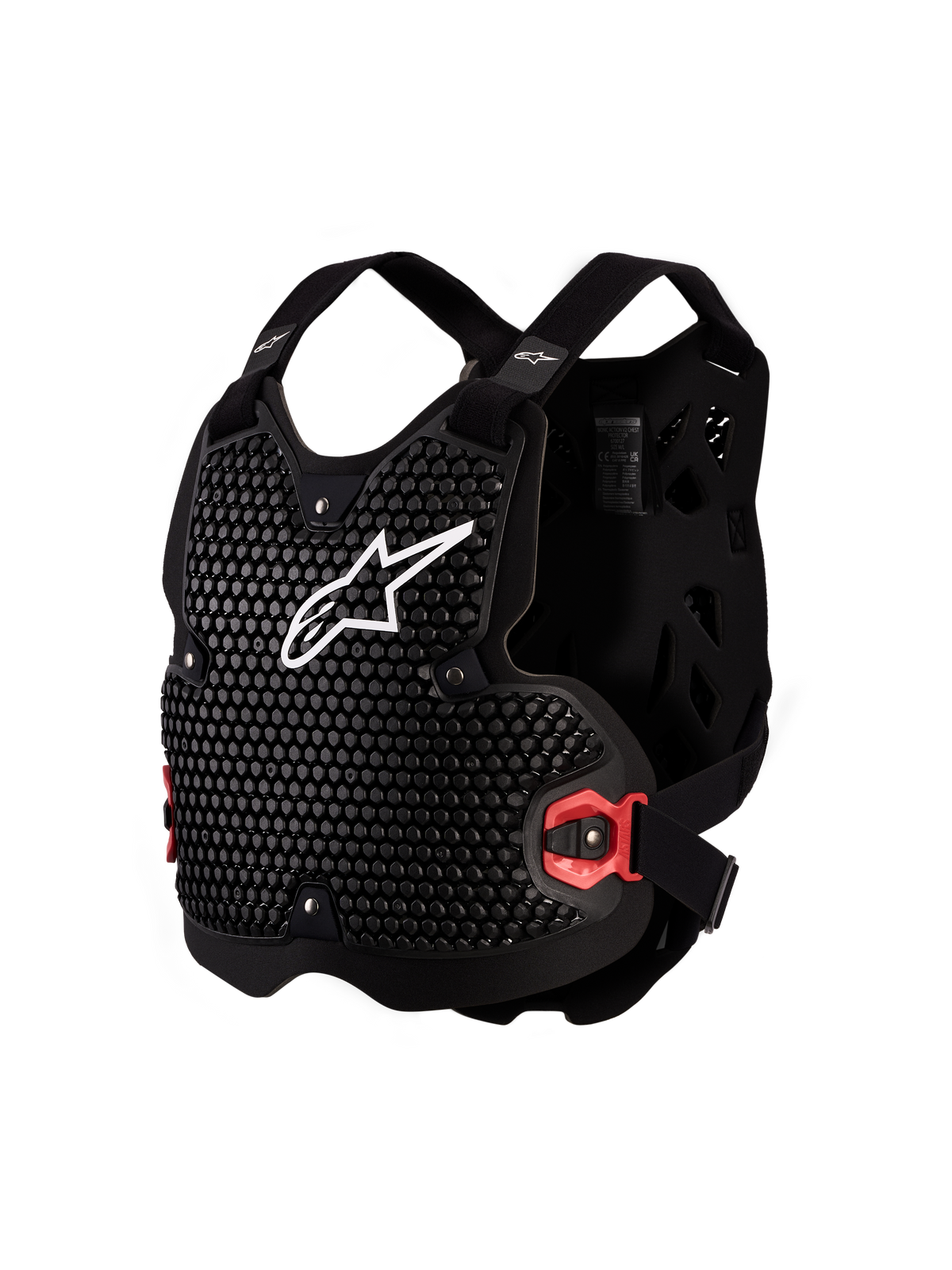
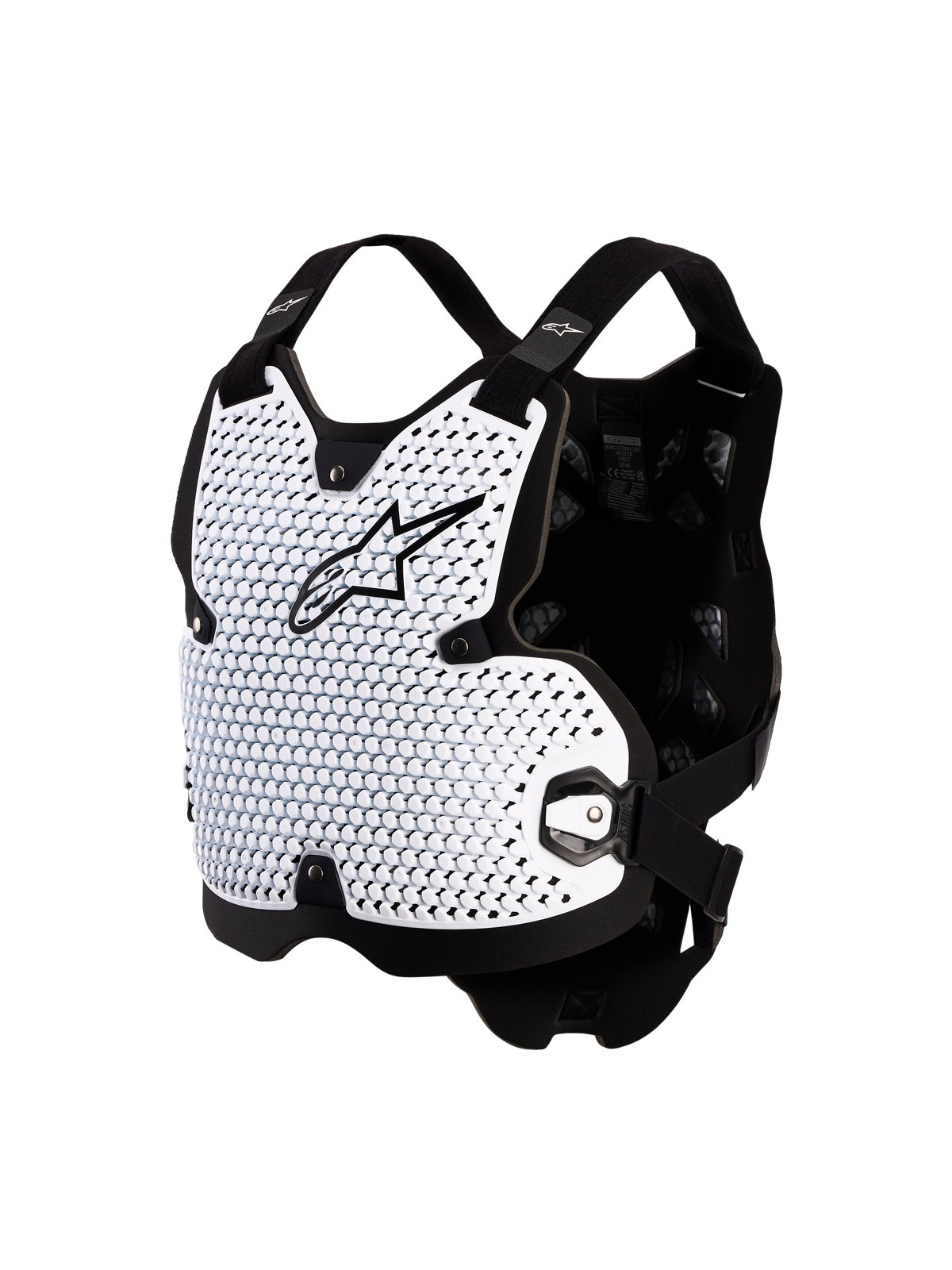
Protecteur De Poitrine Bionic Action V2 -
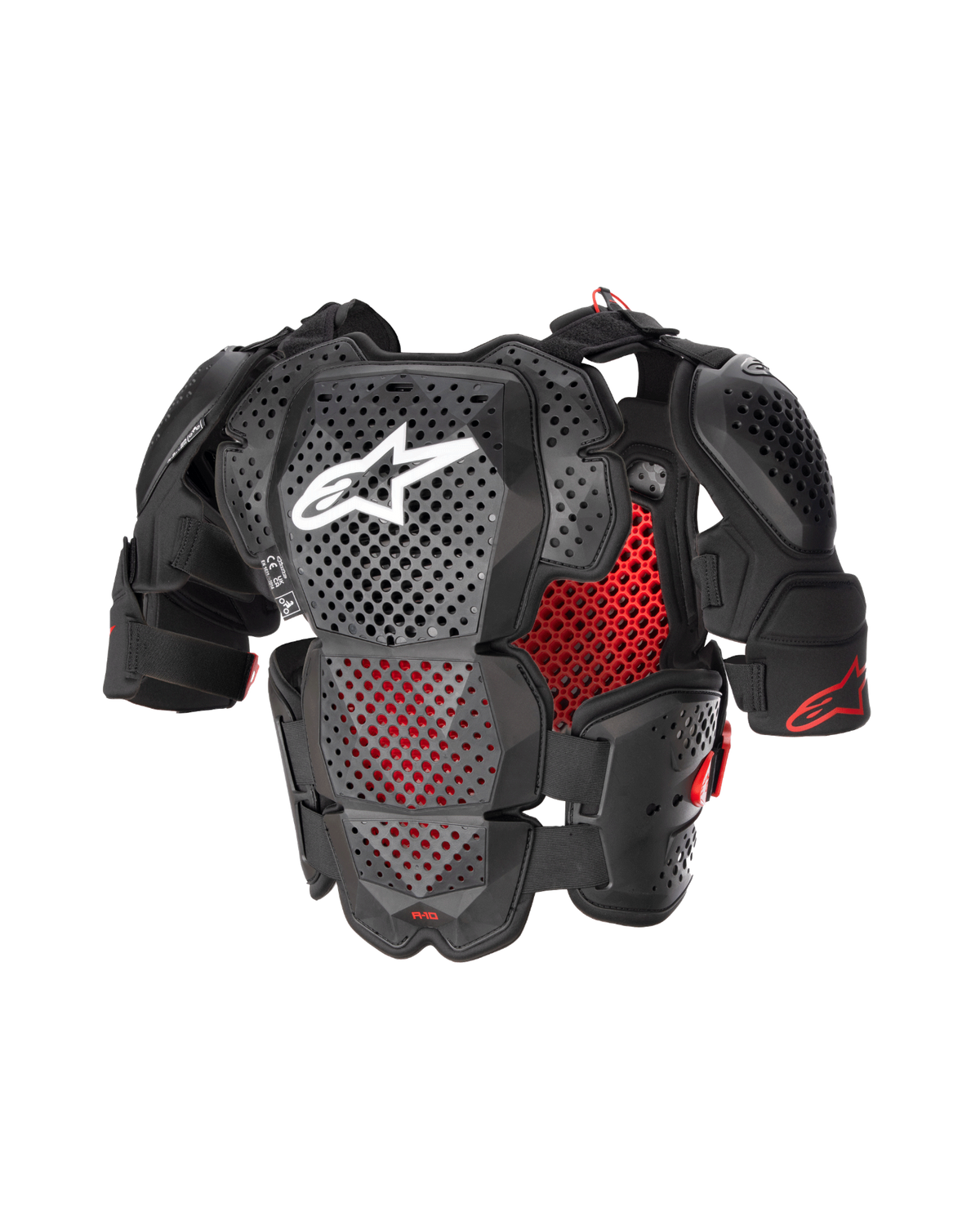
Protection De Poitrine Complète A-10 V2 -
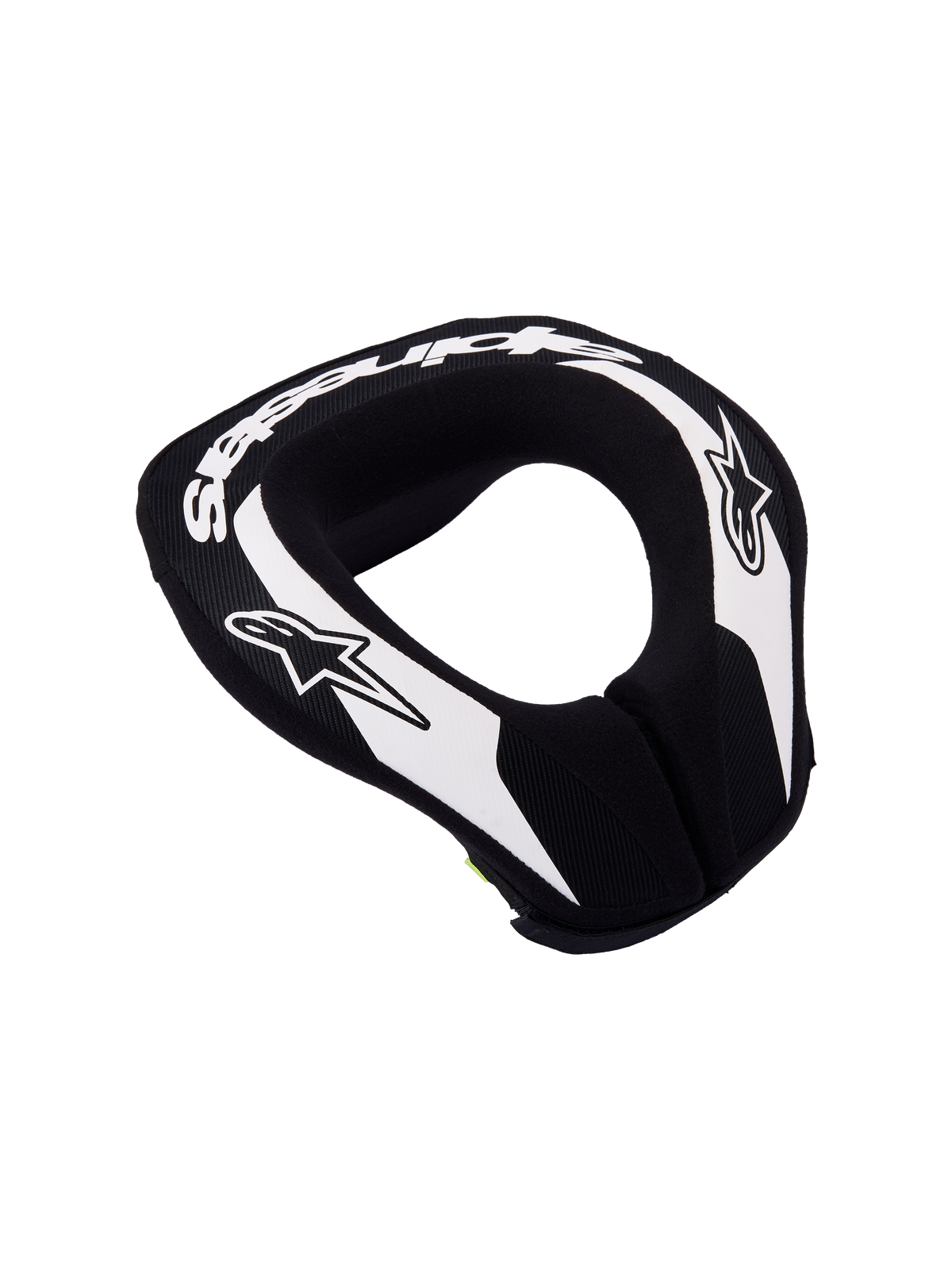
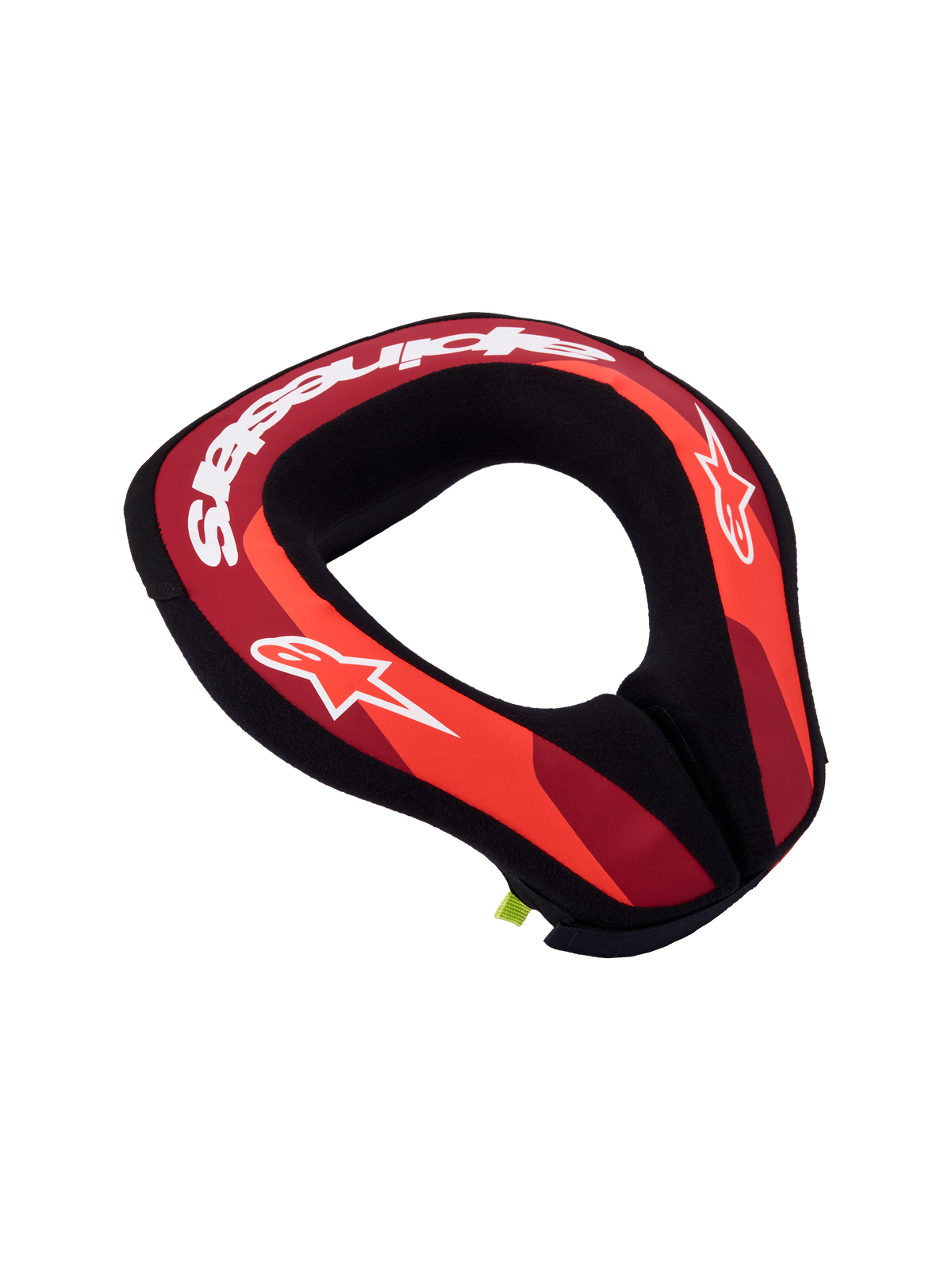
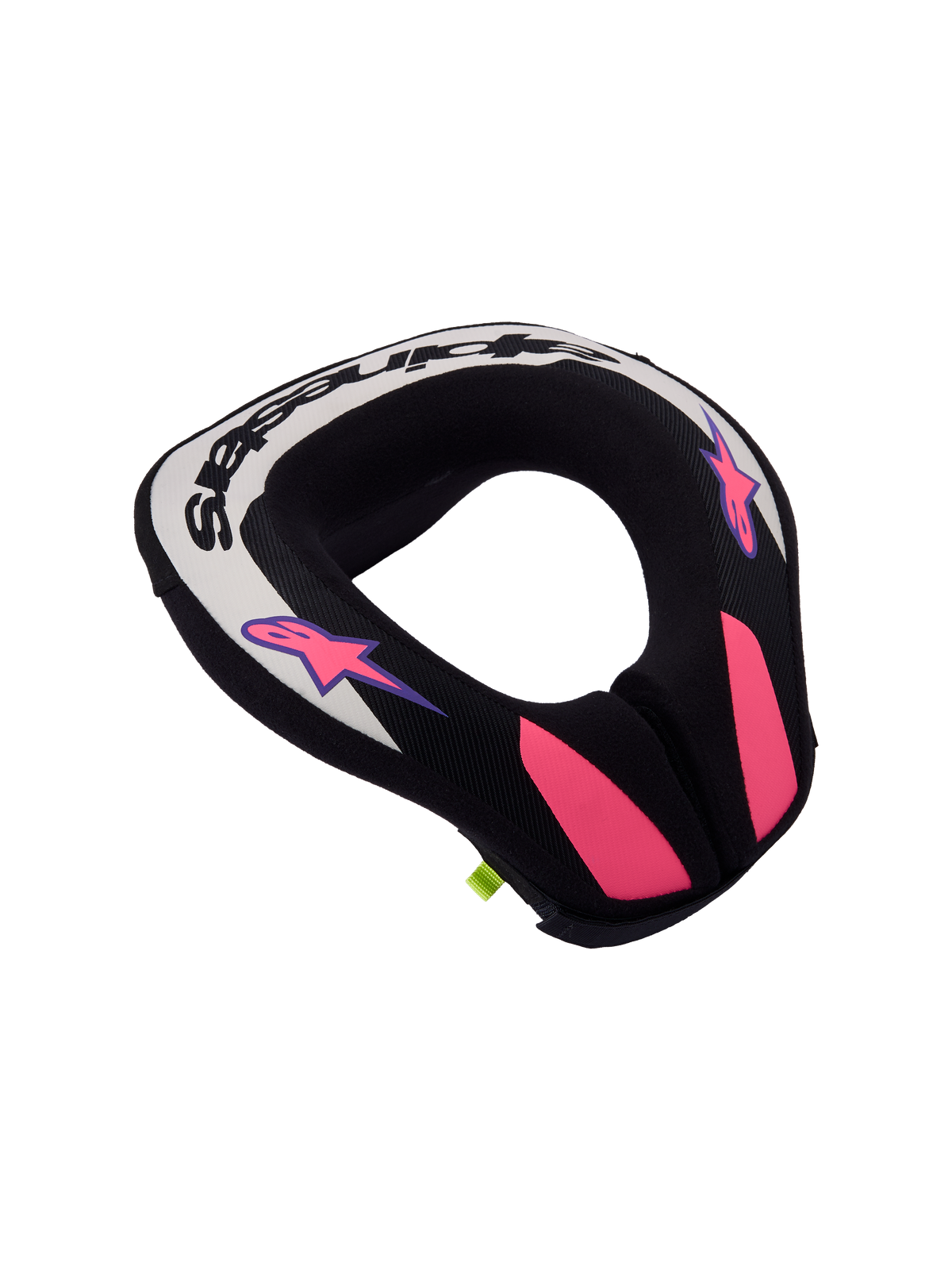
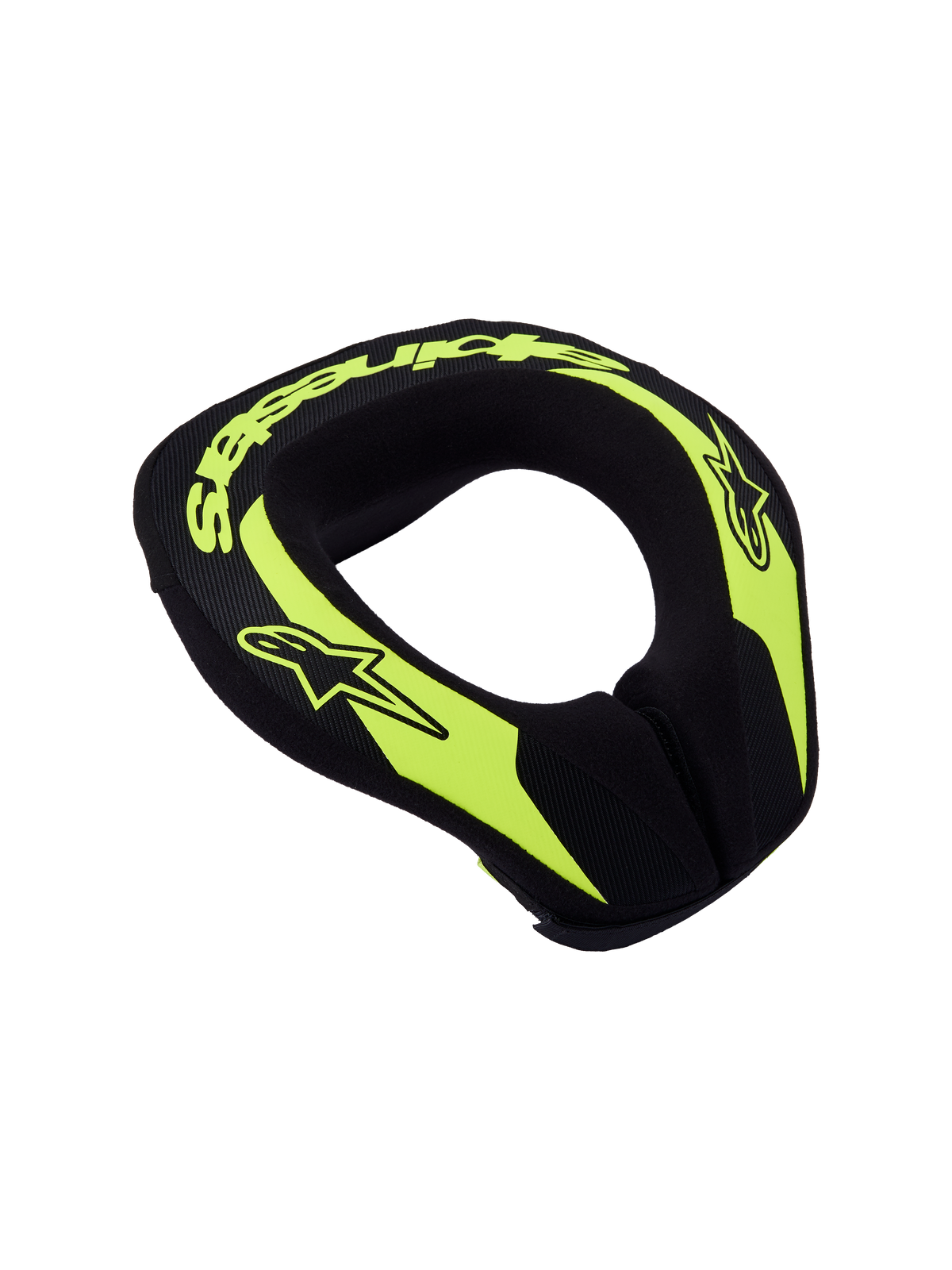
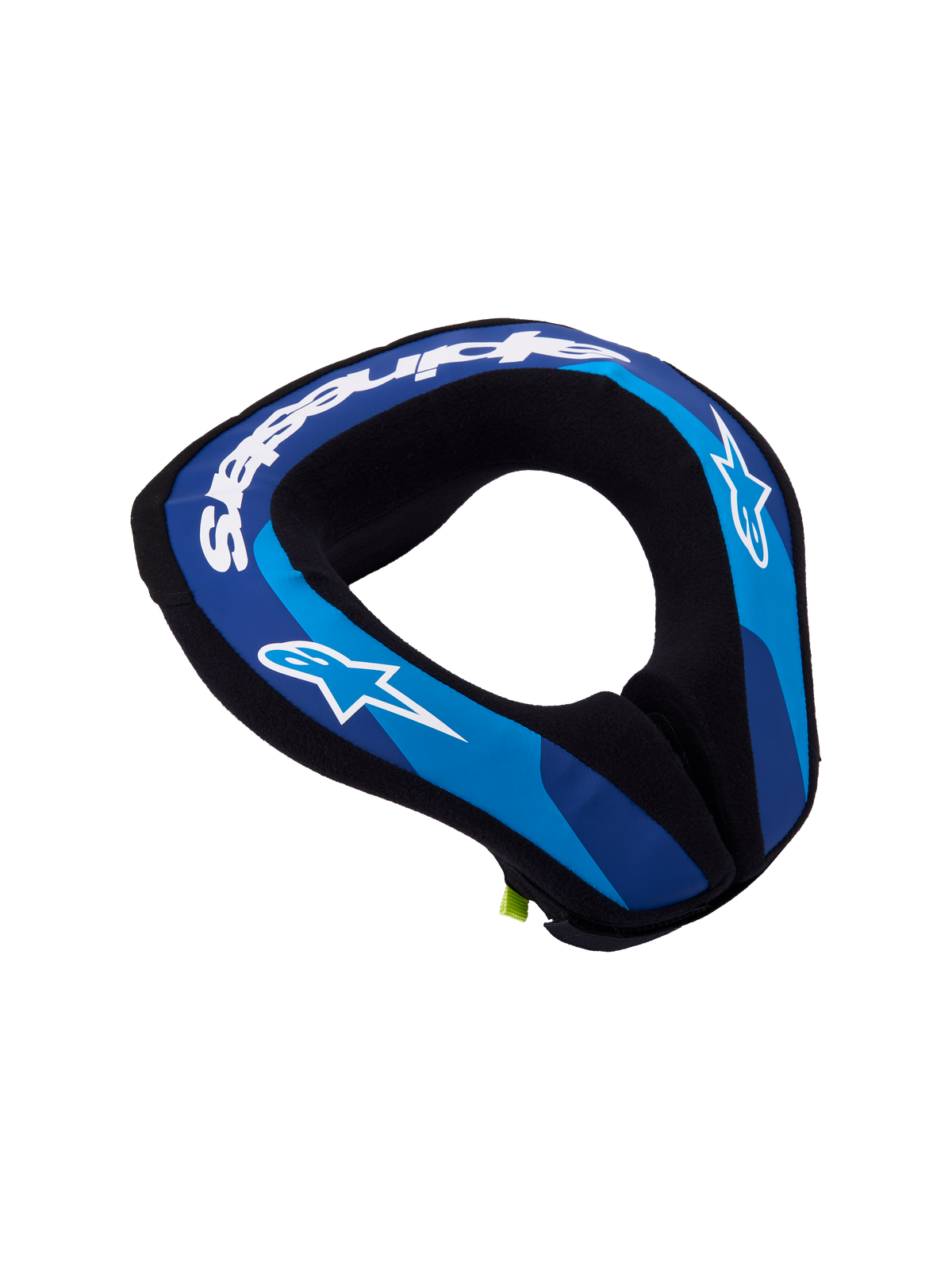
Coussin De Cou Sequence Junior -
Protecteur De Poitrine Bionic Action V2 -
Coussin De Cou Sequence Junior -
Coussin De Cou Sequence Junior -
Coussin De Cou Sequence Junior -
Coussin De Cou Sequence Junior -
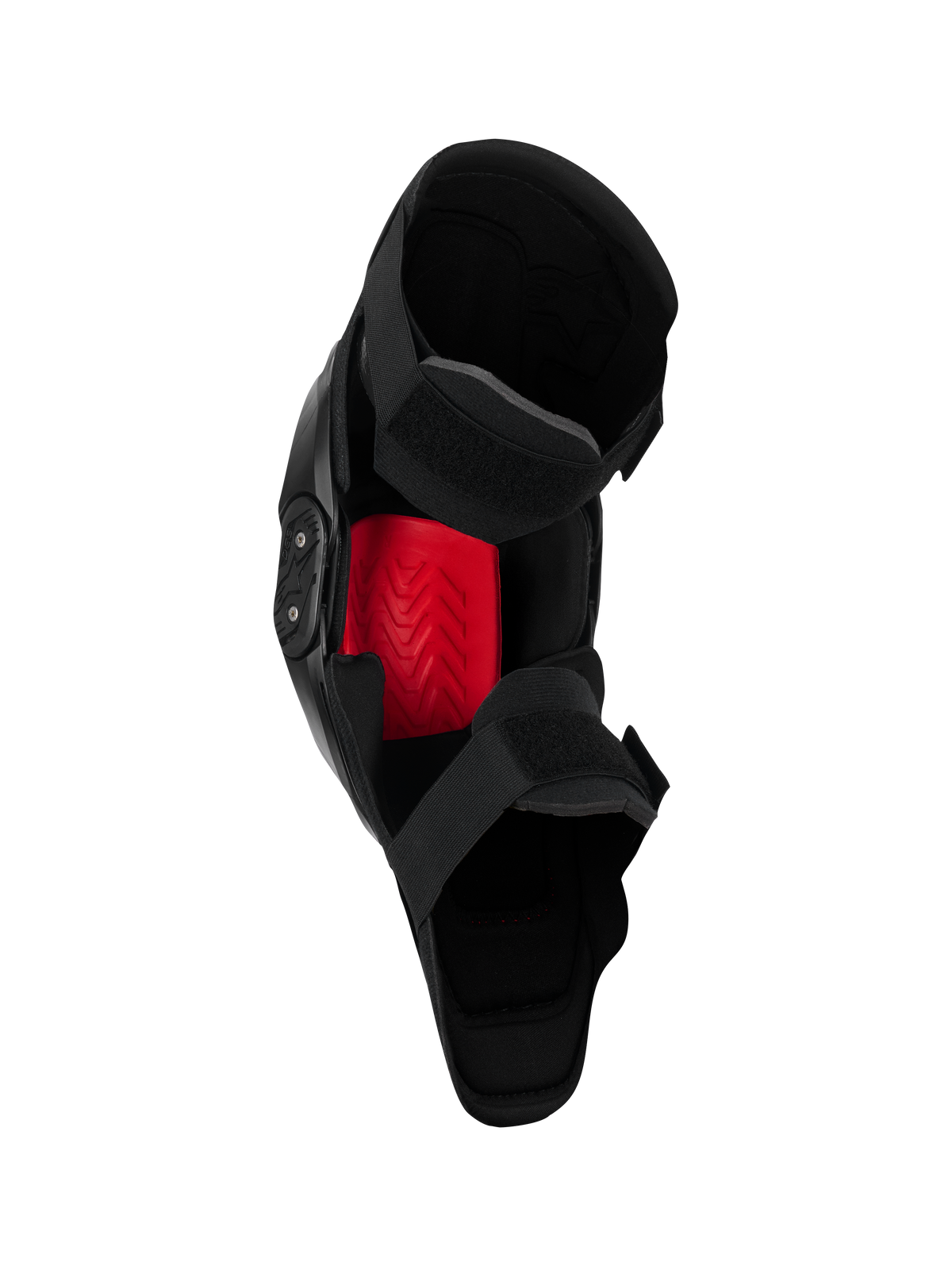
Genouillères SX-1 Plasma -
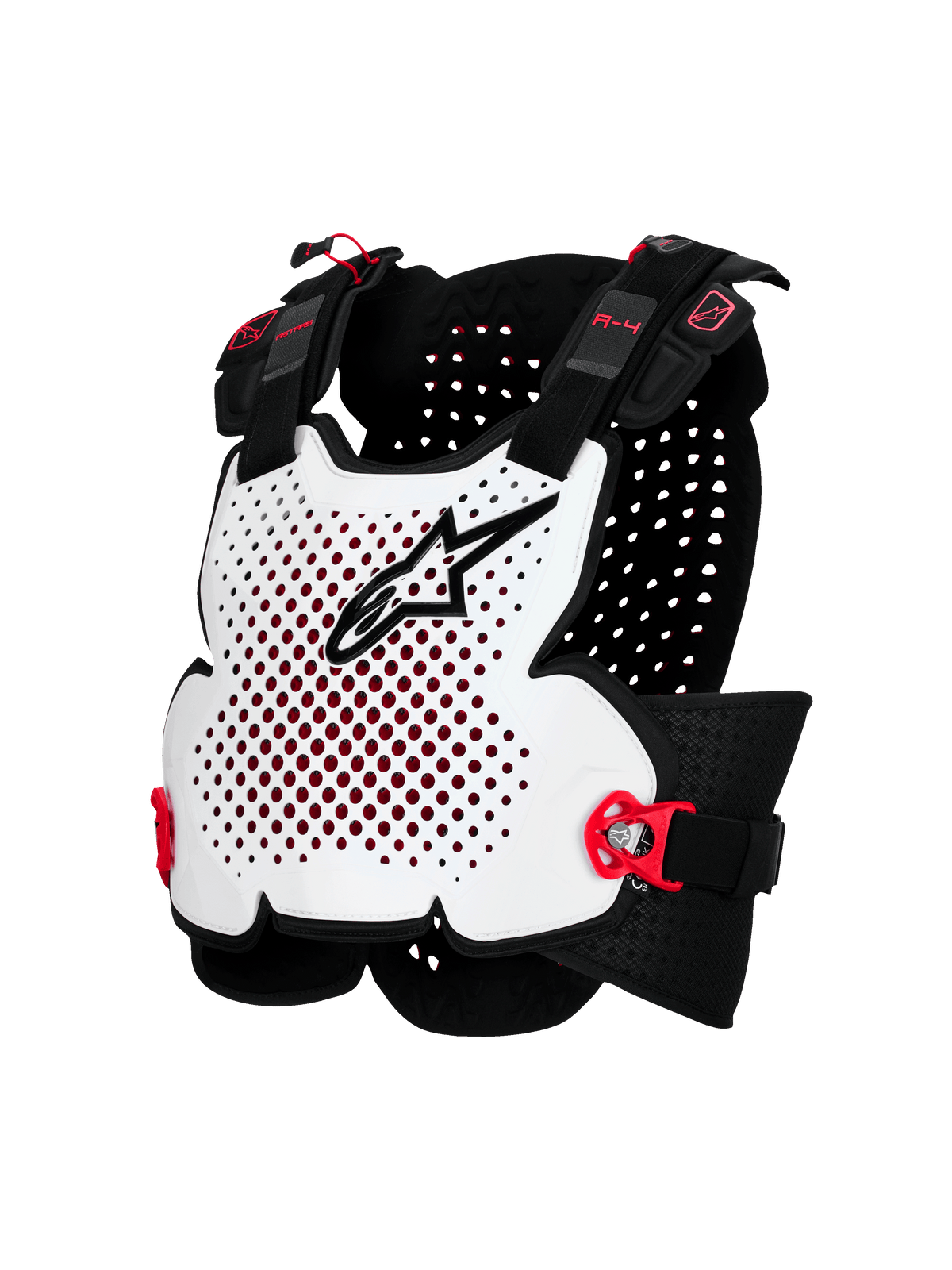
Protection De Poitrine A-4 Plasma -
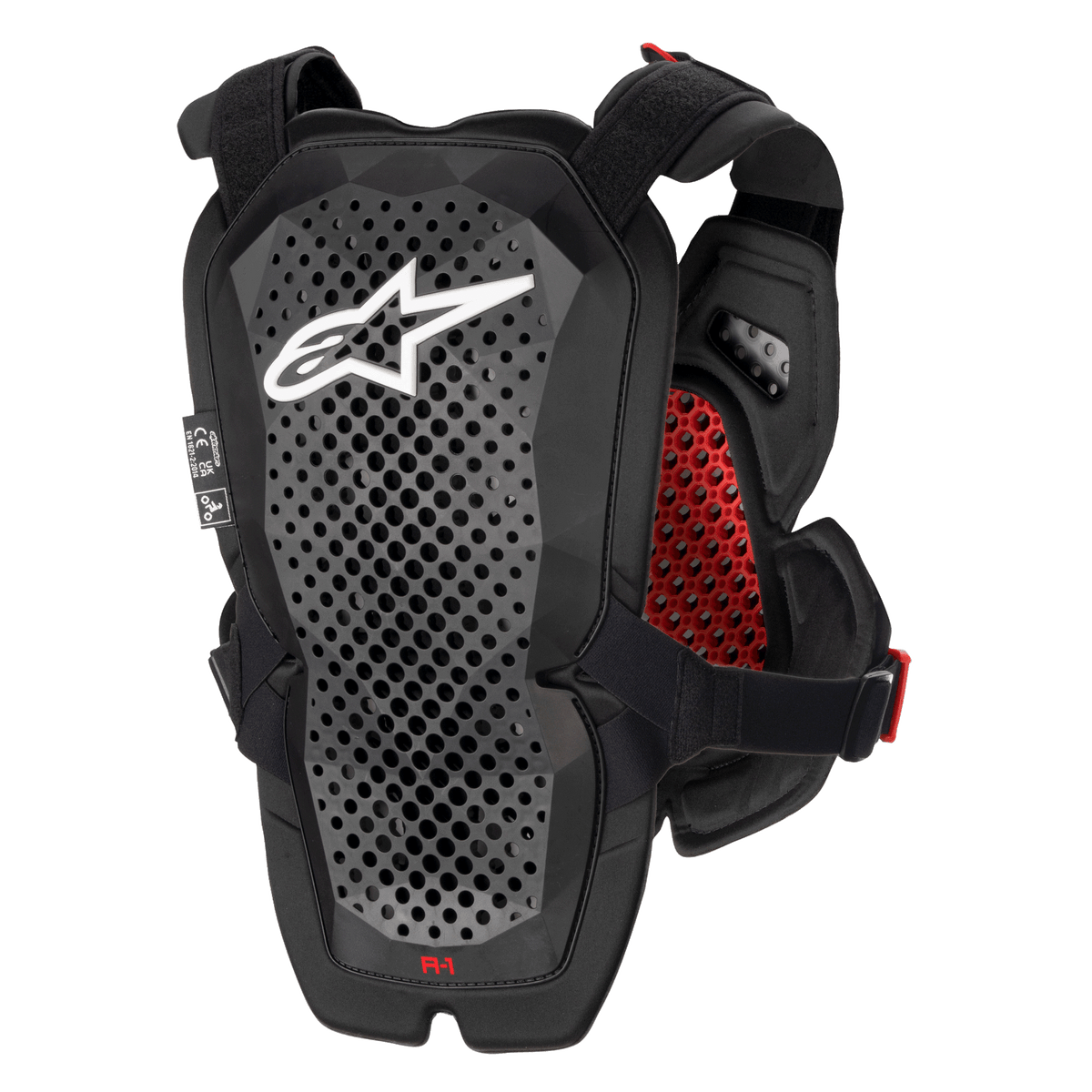
Protecteur De Poitrine A-1 Pro -
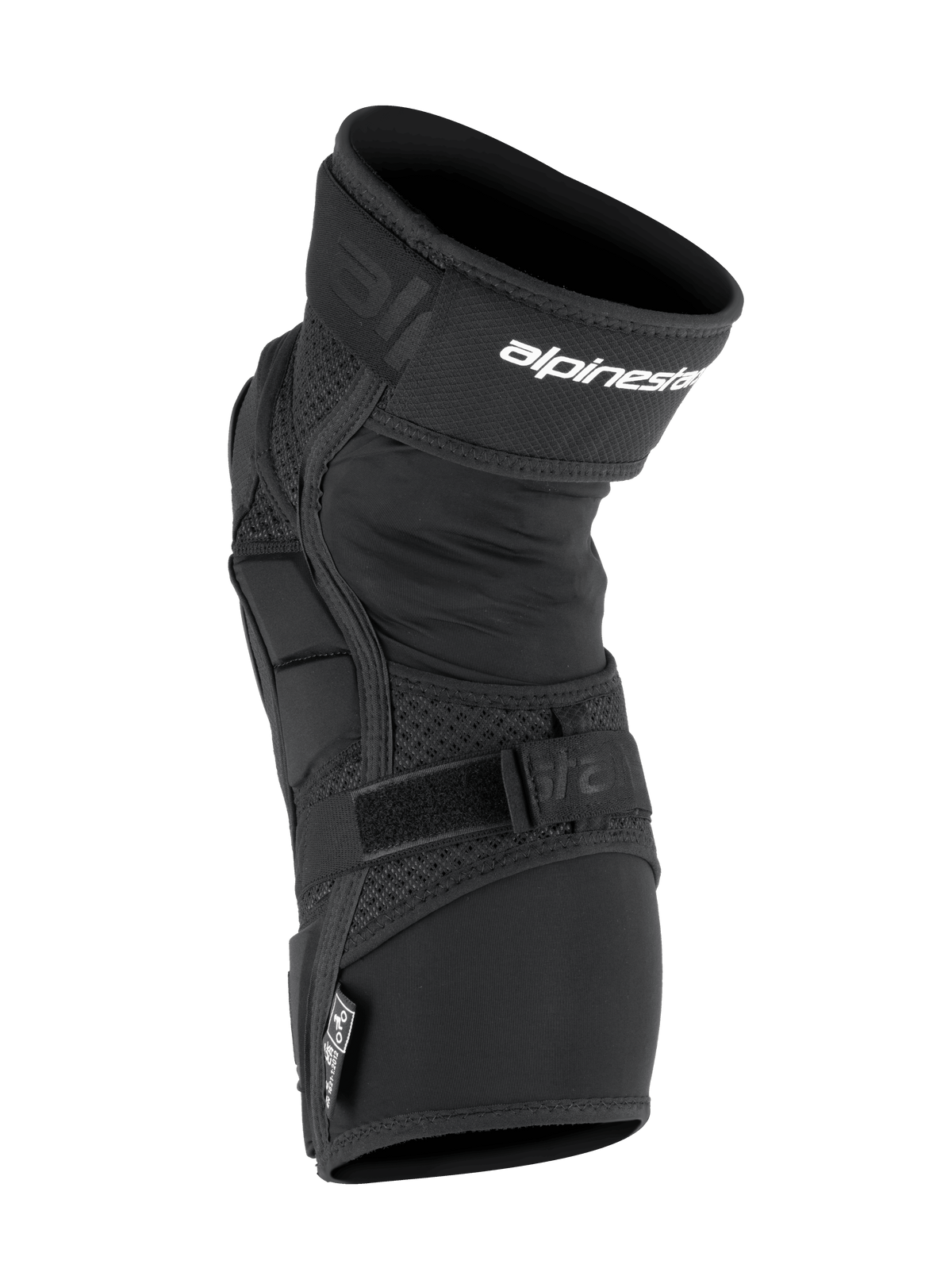
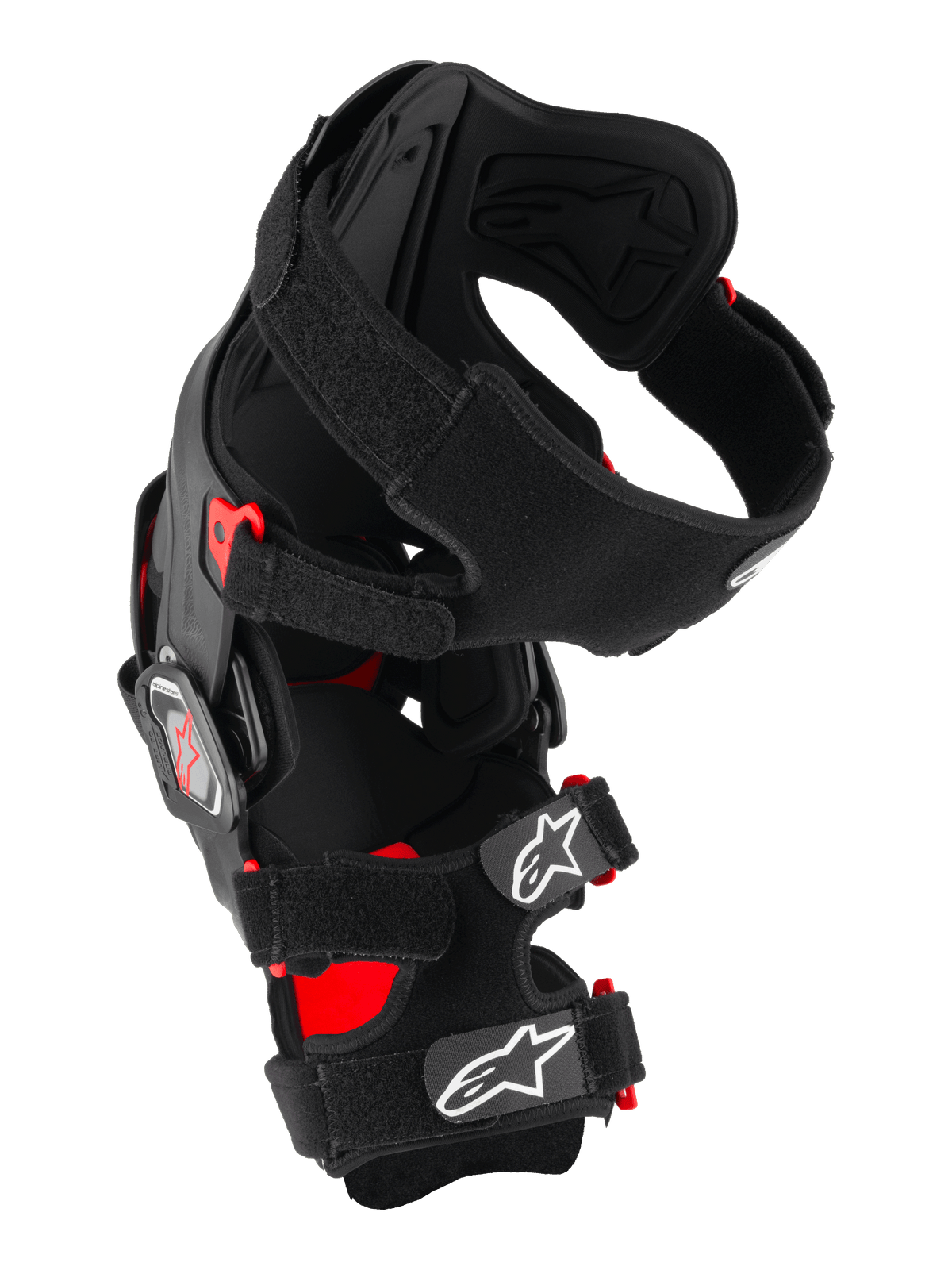
Genouillères Bionic Pro Plasma -
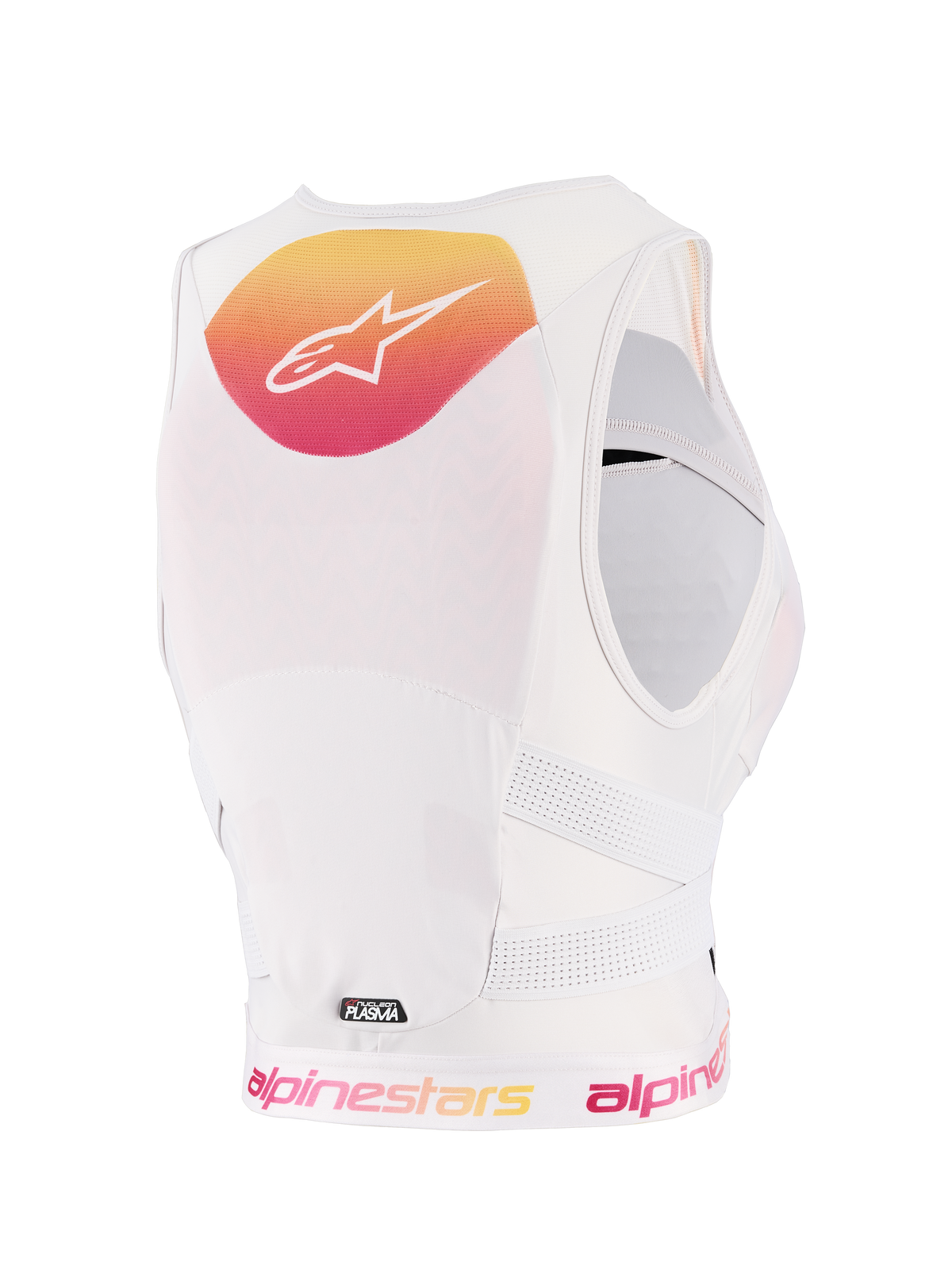
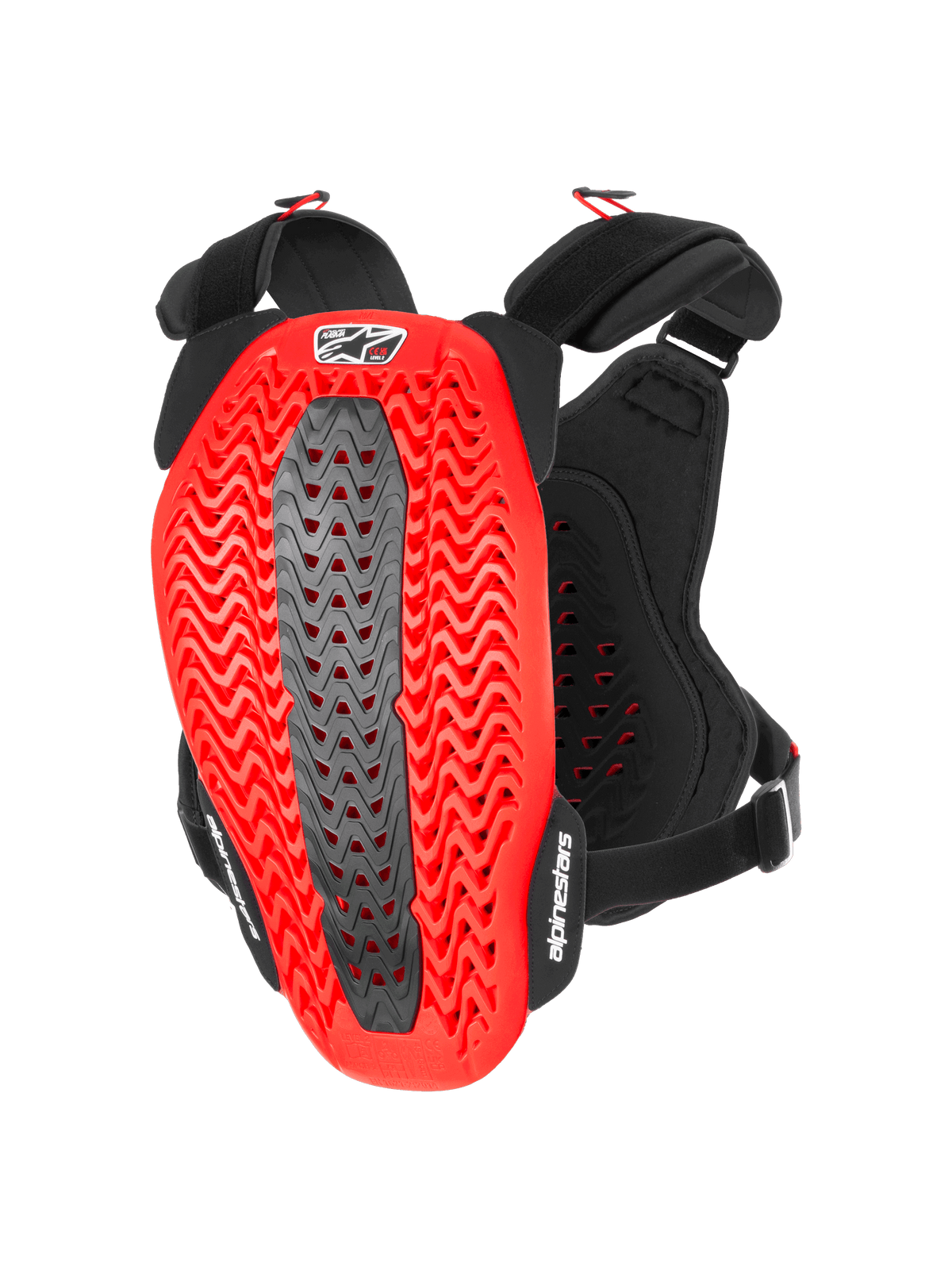
Protecteur De Poitrine Stella Plasma -
Protecteur De Poitrine Stella Plasma -
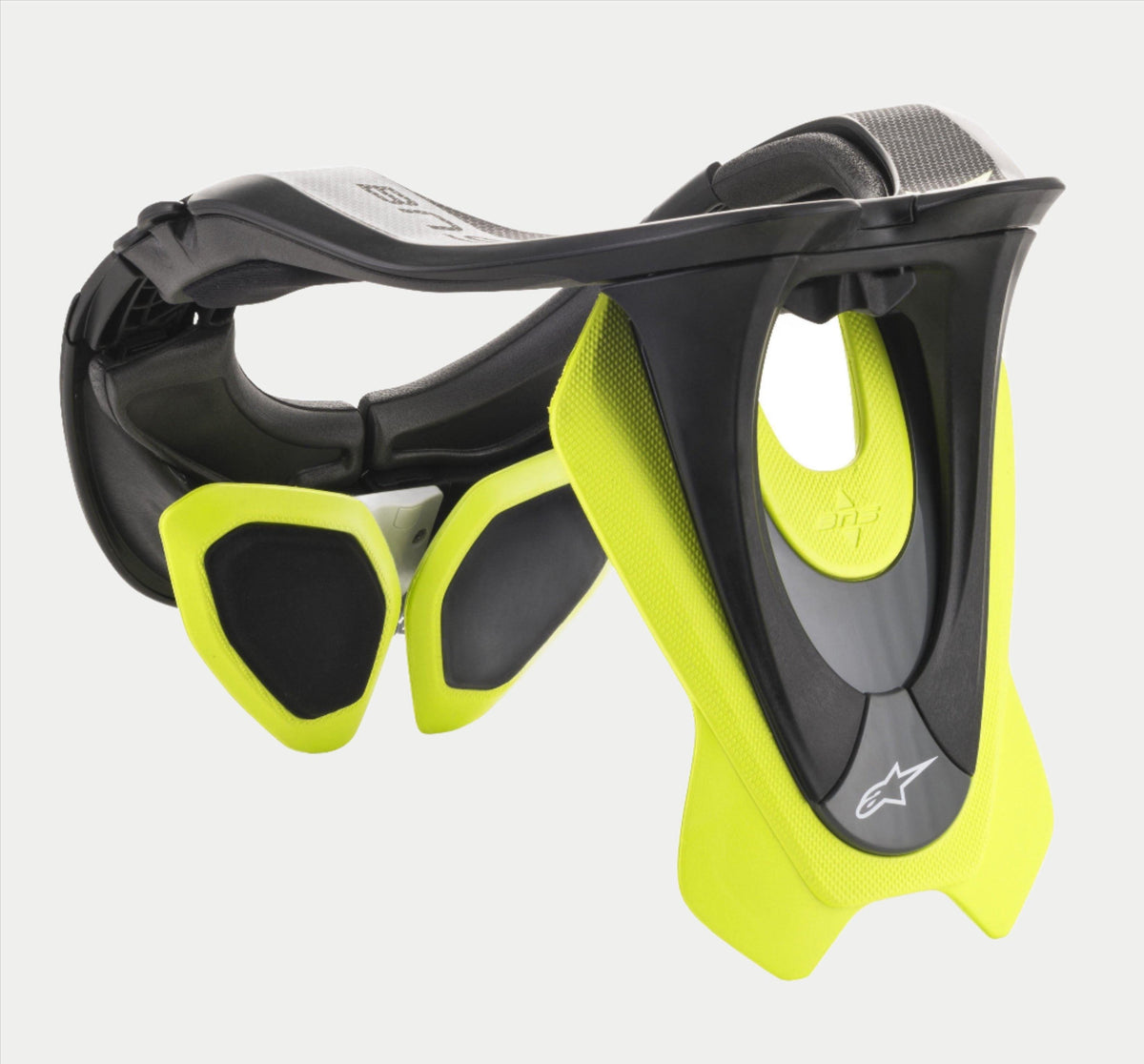
Support De Cou Bns Tech 2 -
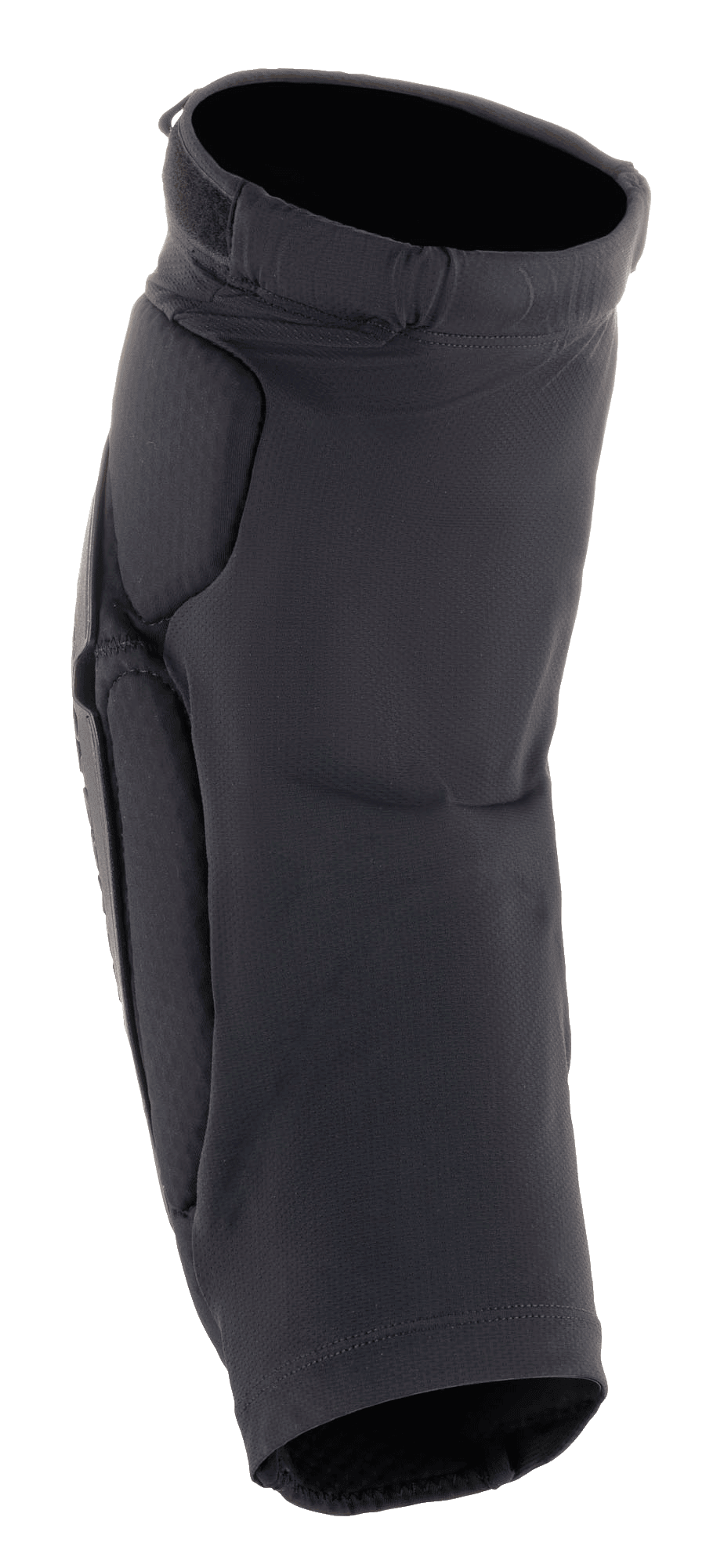
Genouillères Bionic Flex -
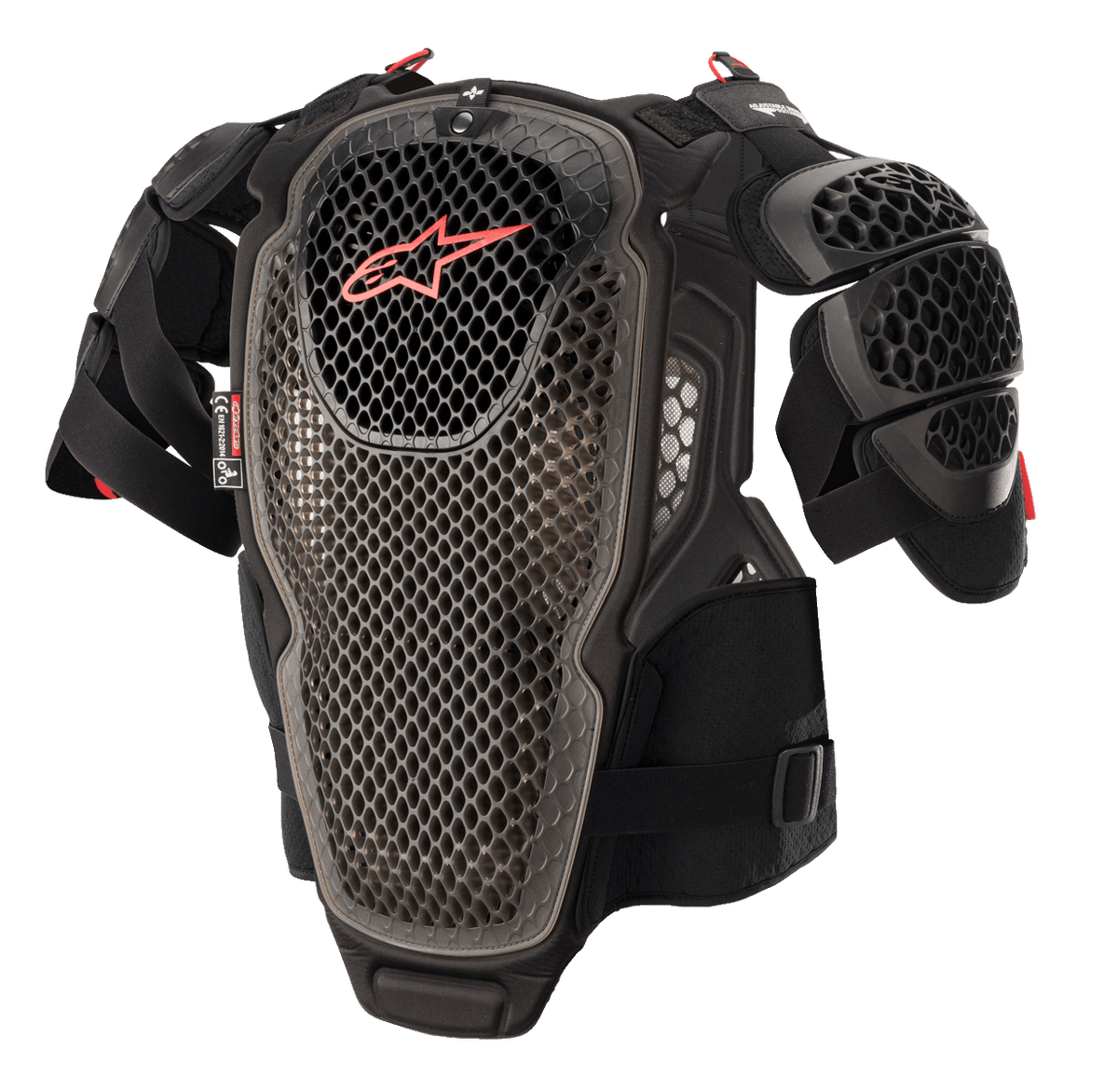
Protection De Poitrine A-6 -
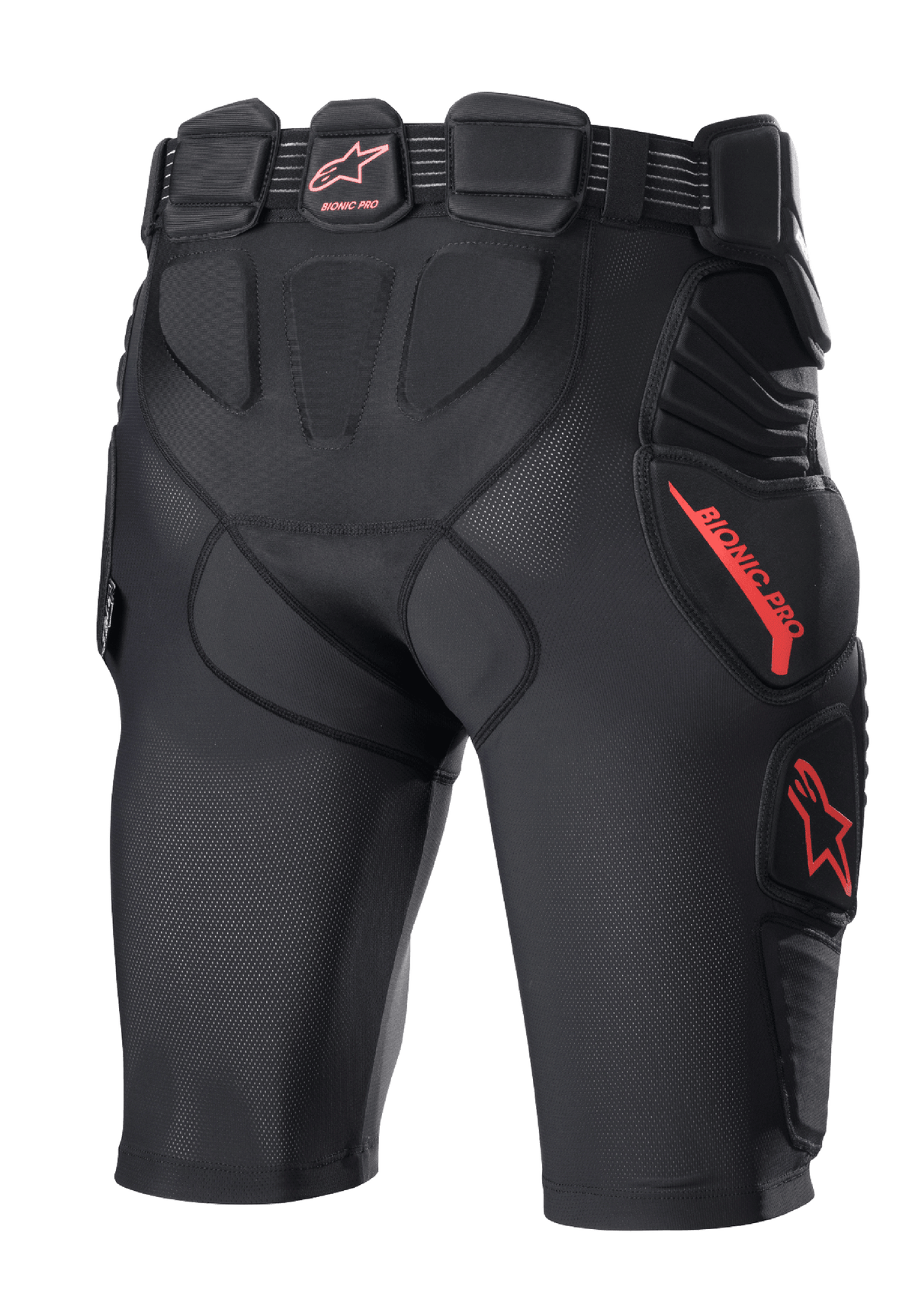
Shorts De Protection Bionic Pro -
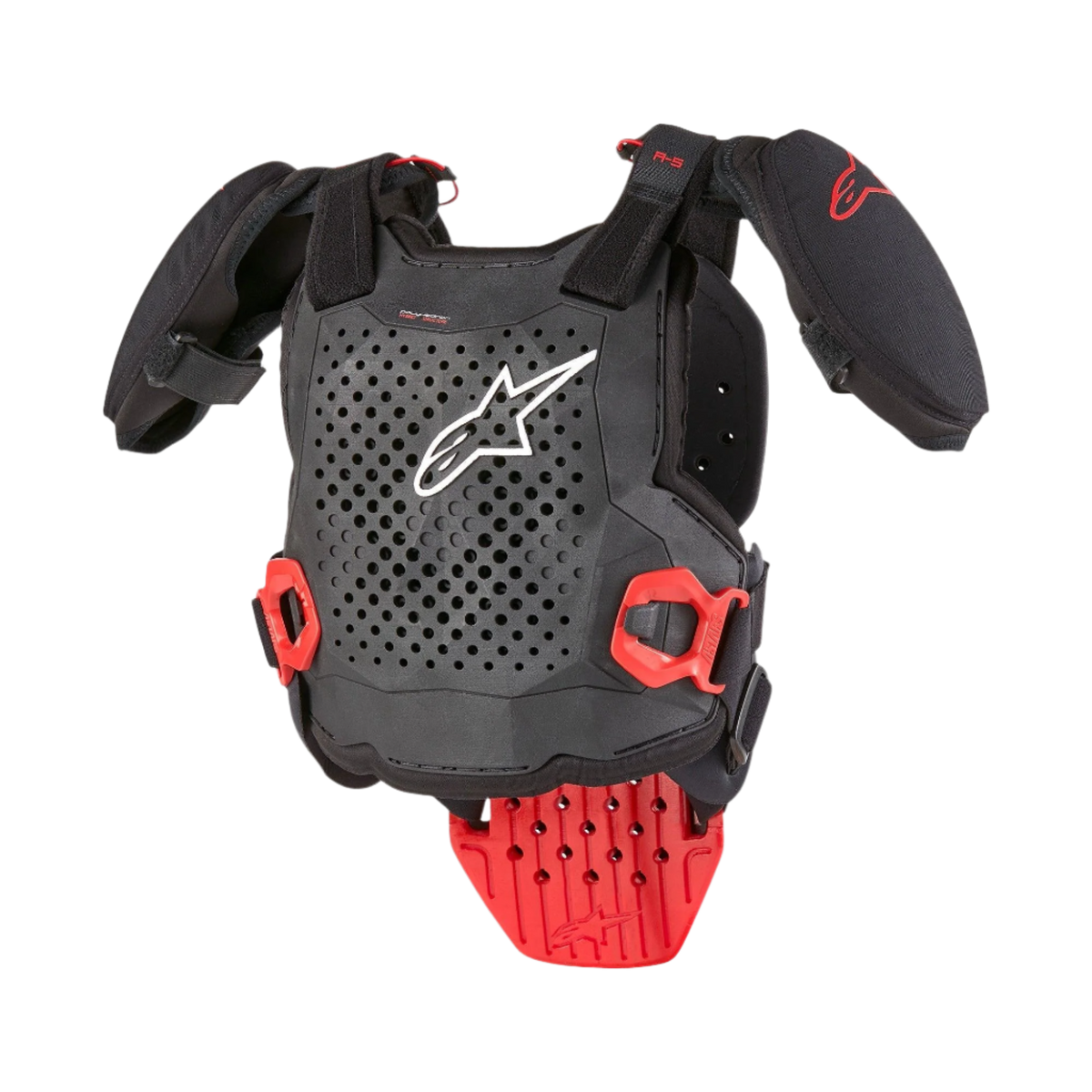
Protecteur De Poitrine A-5 Plasma -
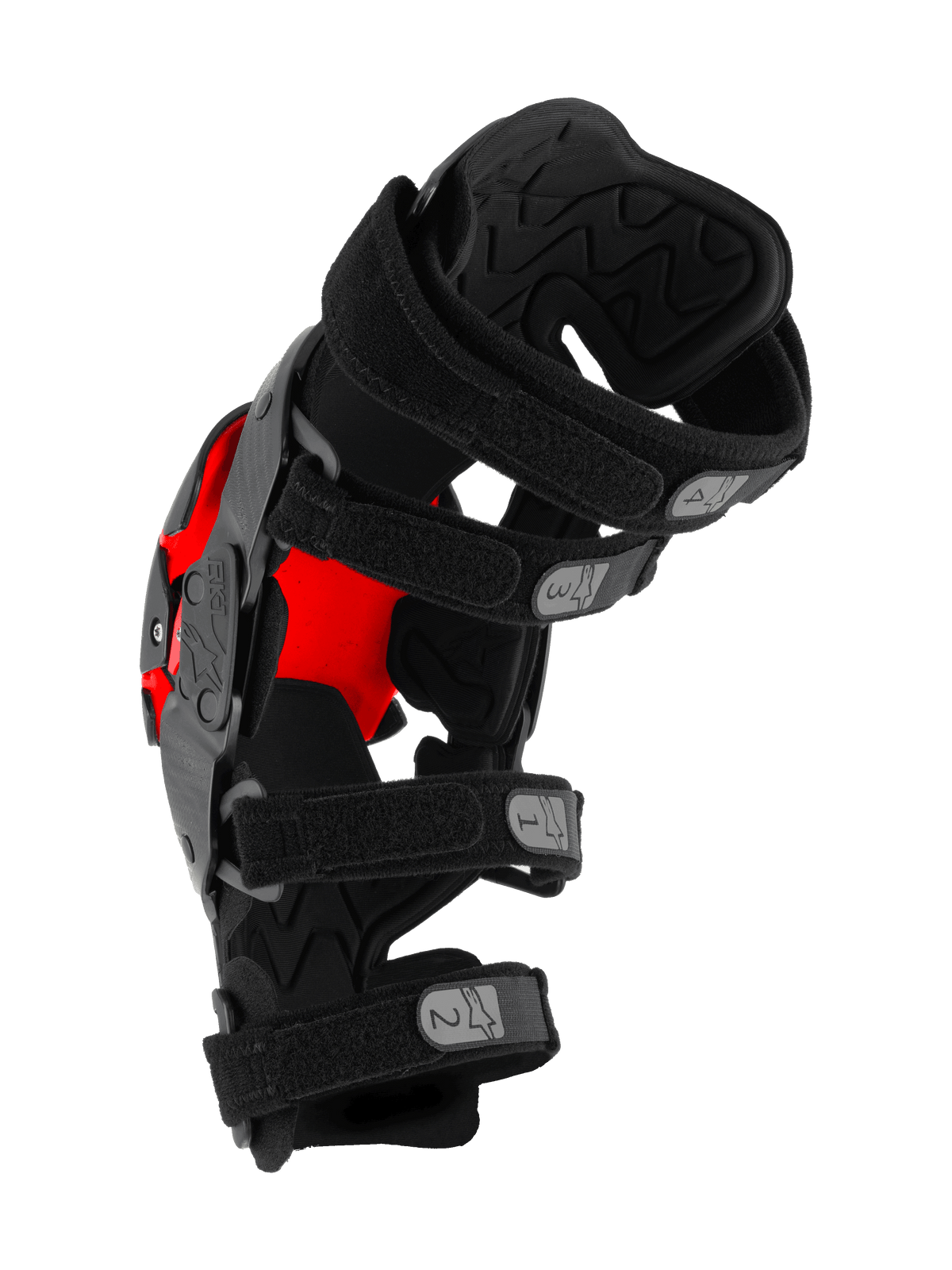
Genouillères Rk-1 Plasma -
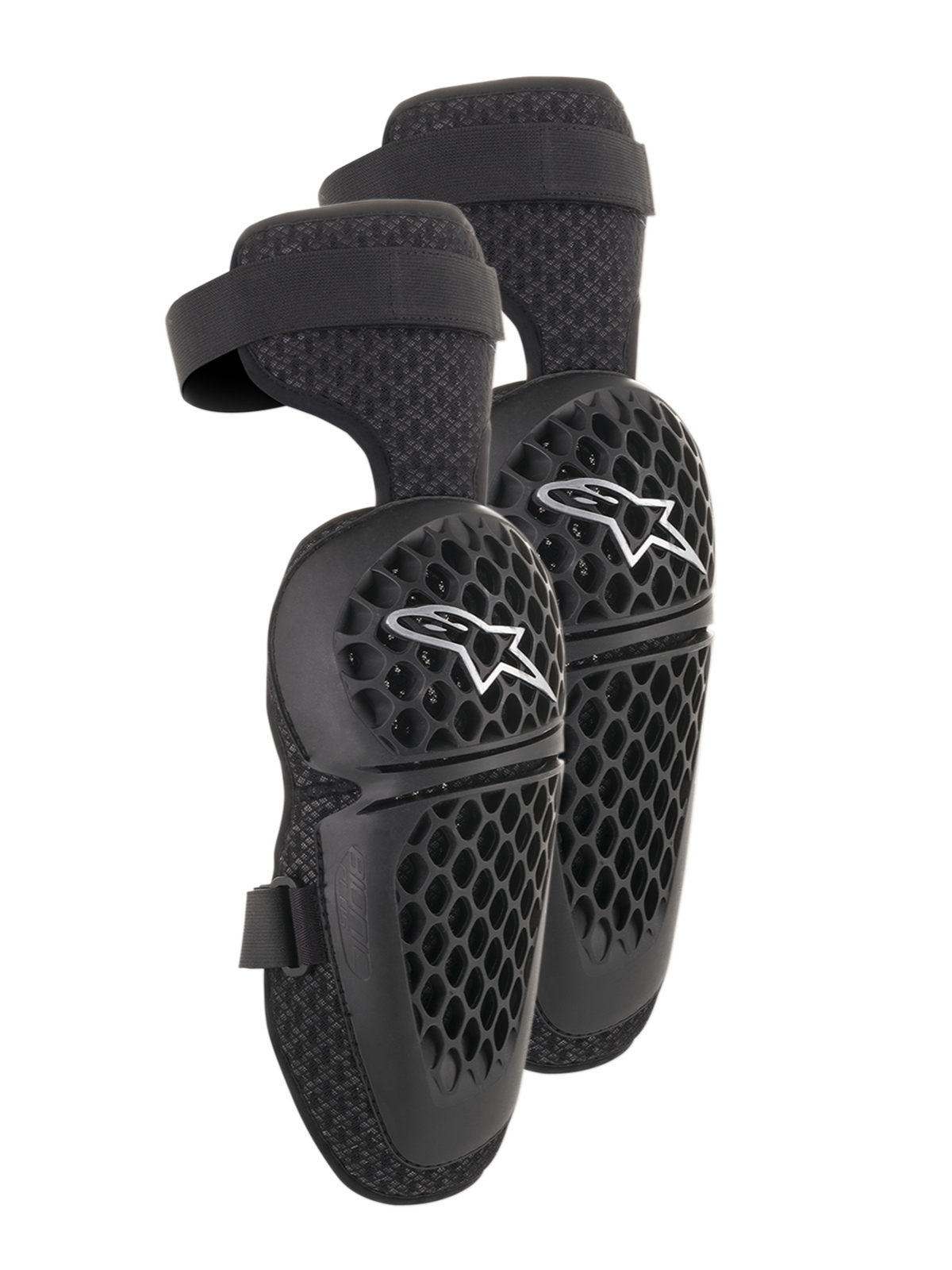
Genouillères Bionic Plus -
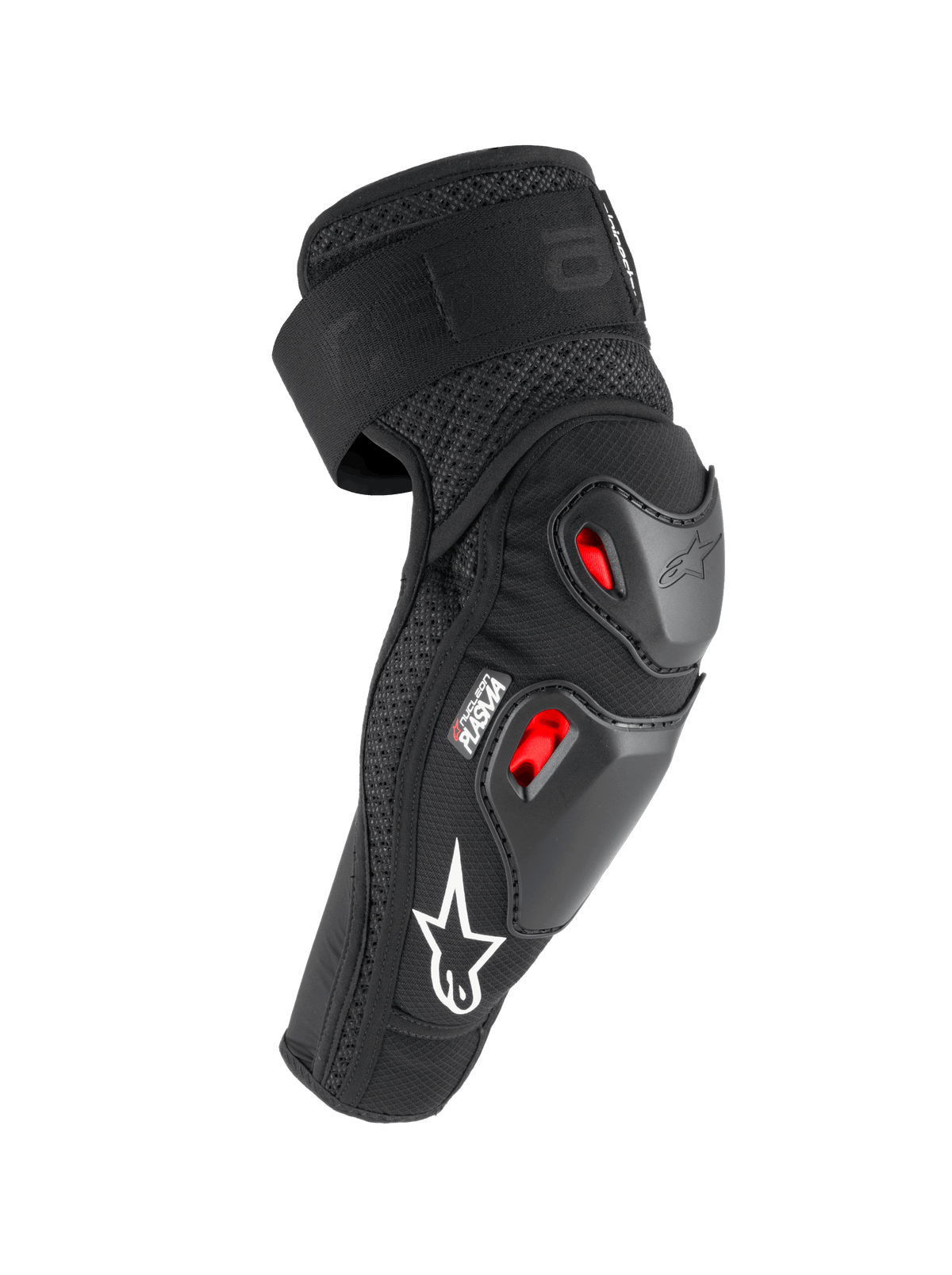
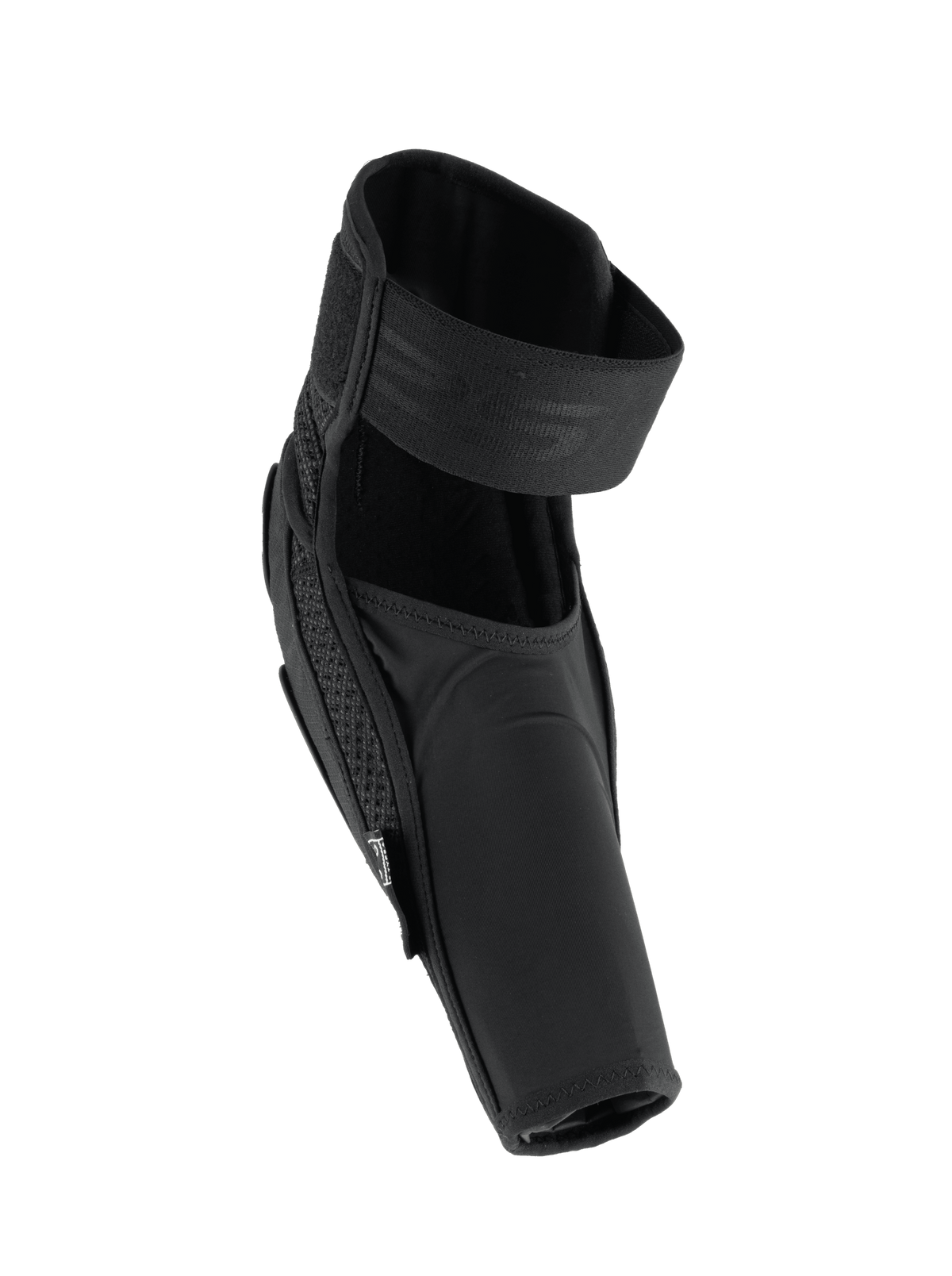
Protections De Coude Bionic Pro Plasma -
Shorts De Protection Bionic Action -
Genouillères Rk-7 Plasma -
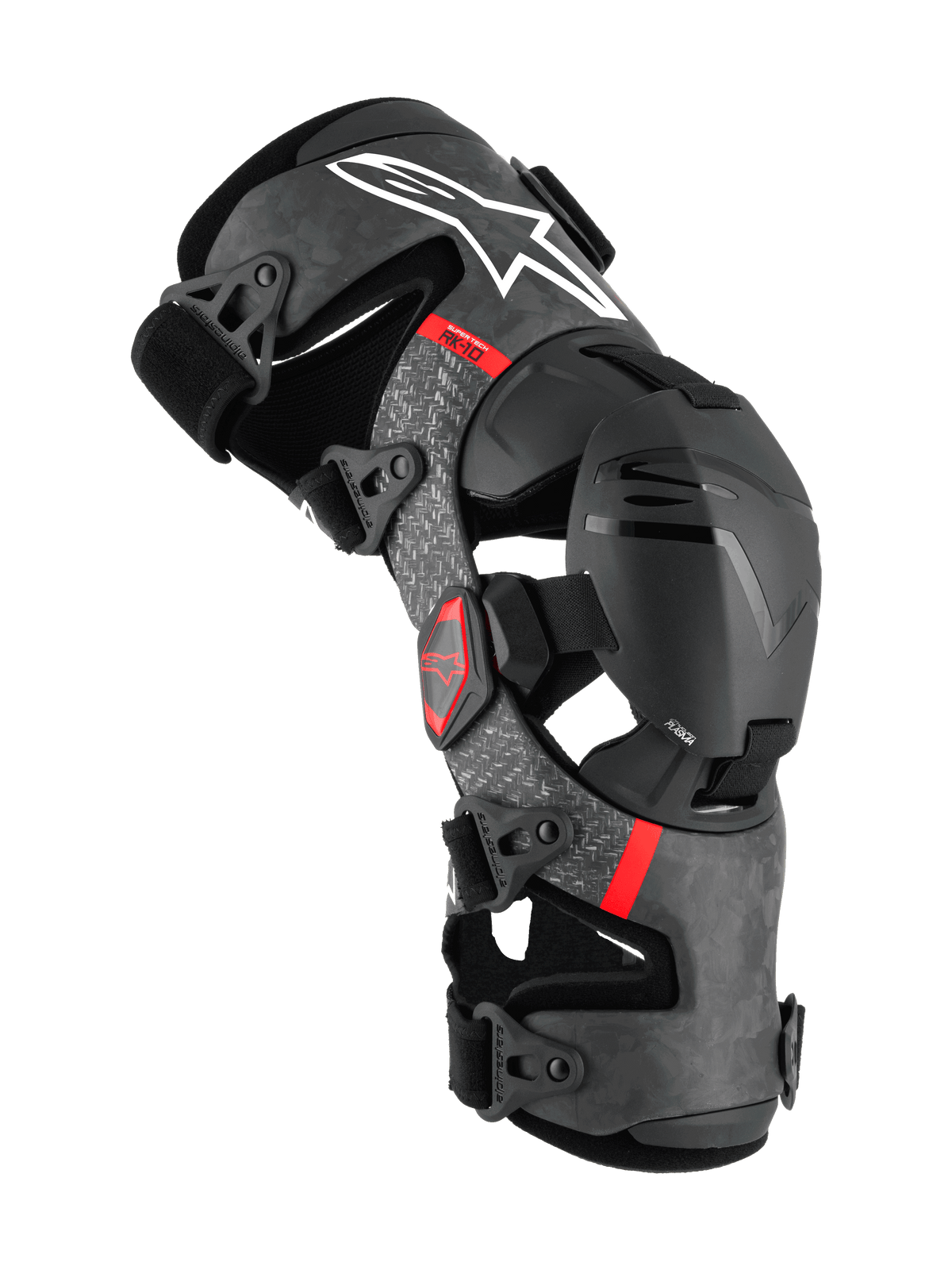
Genouillères Supertech Rk-10 Plasma -
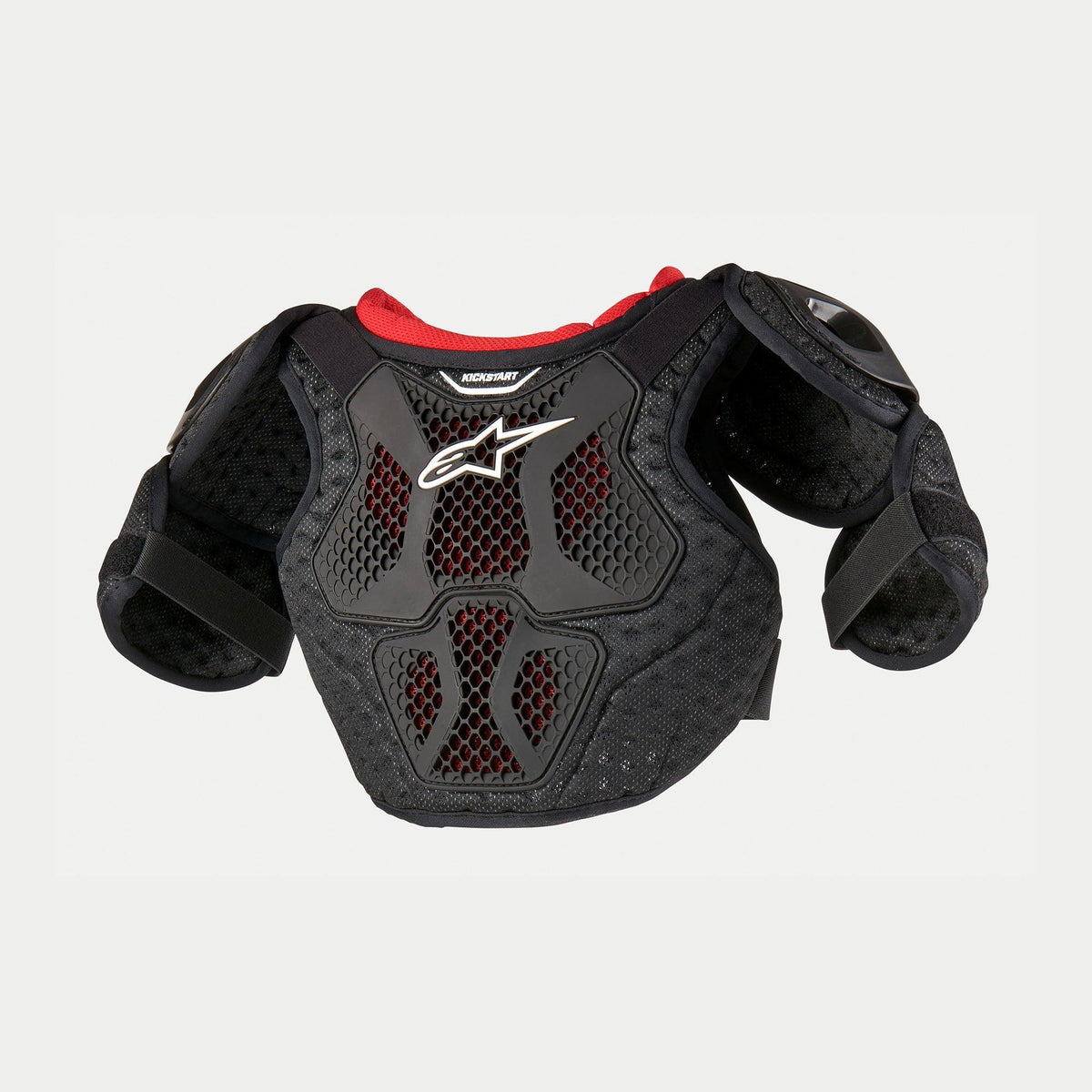
Protection De Poitrine Bionic Action Kickstart Junior -
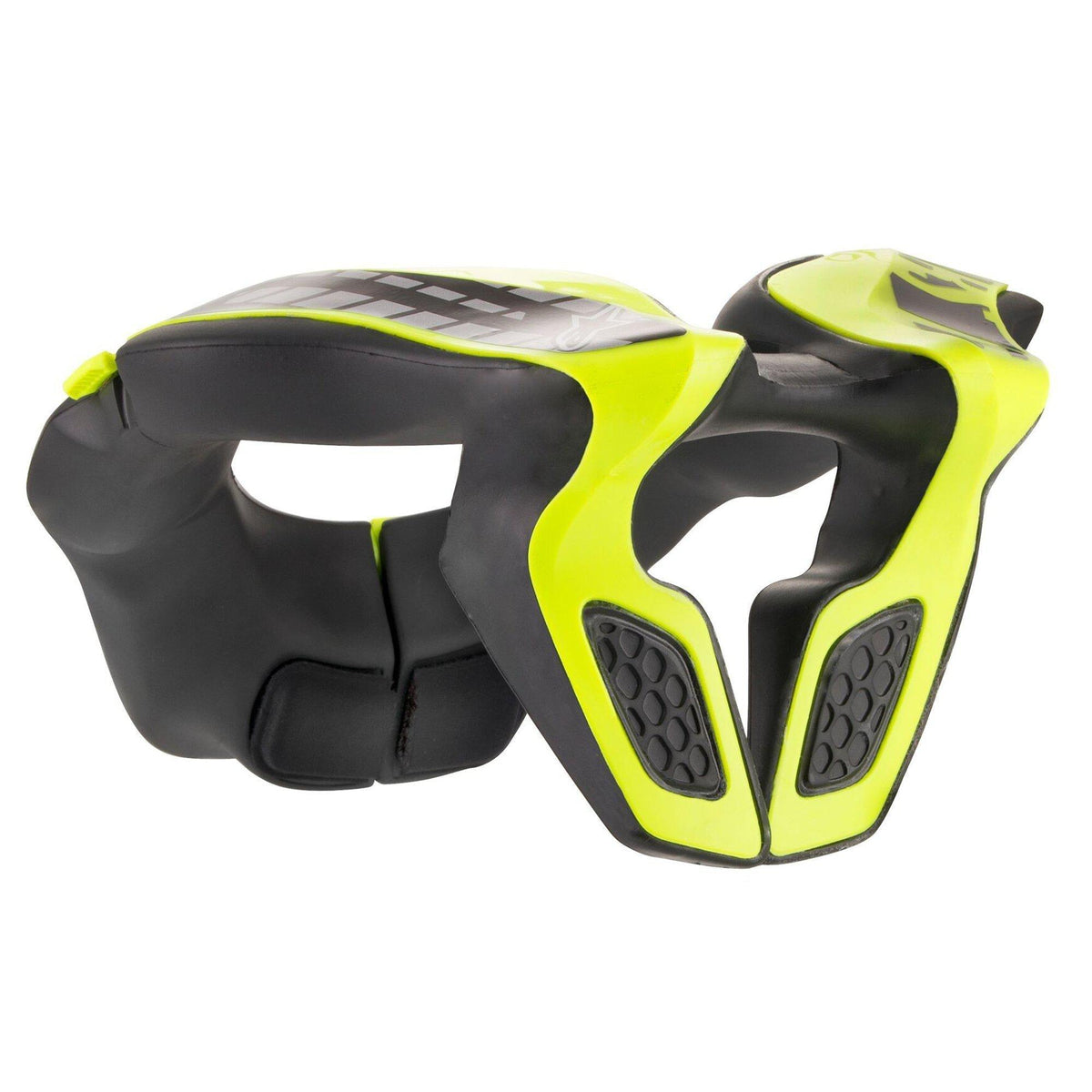
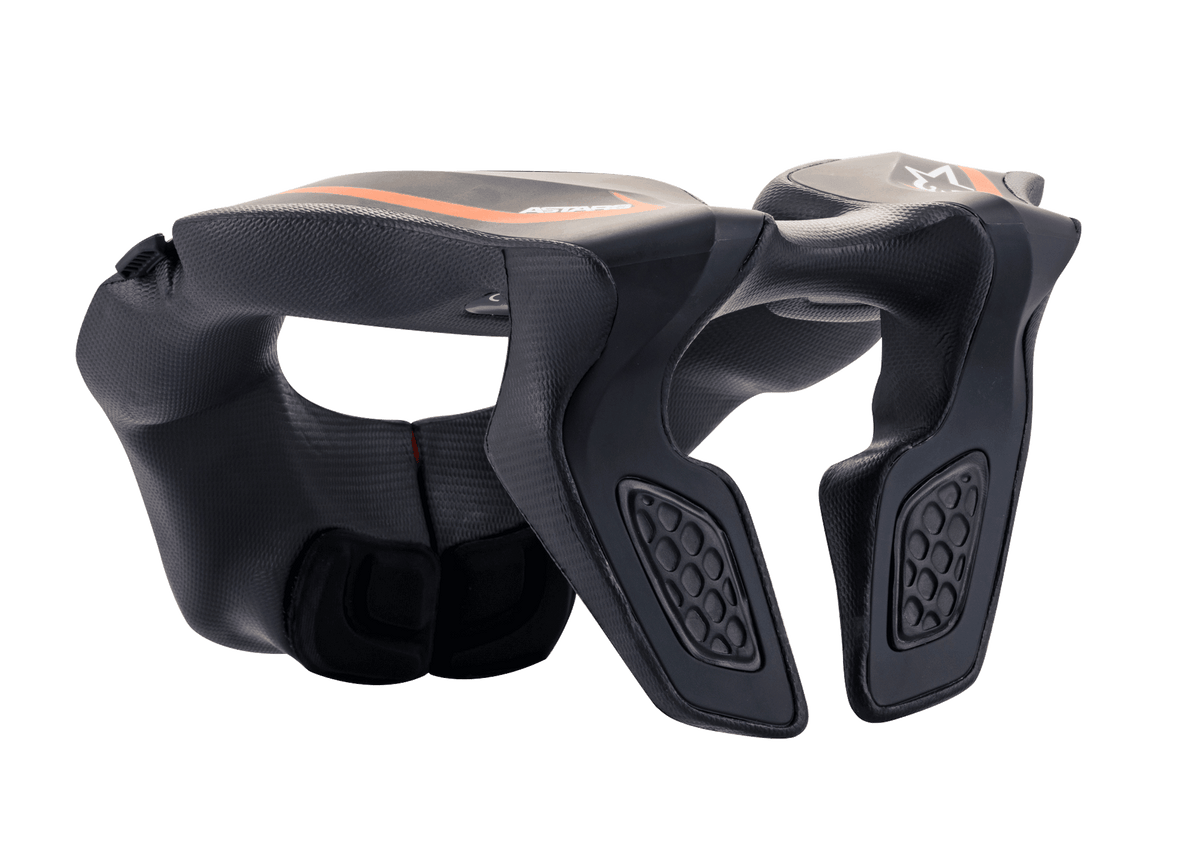
Support De Cou Junior -
Support De Cou Bns Tech 2 -
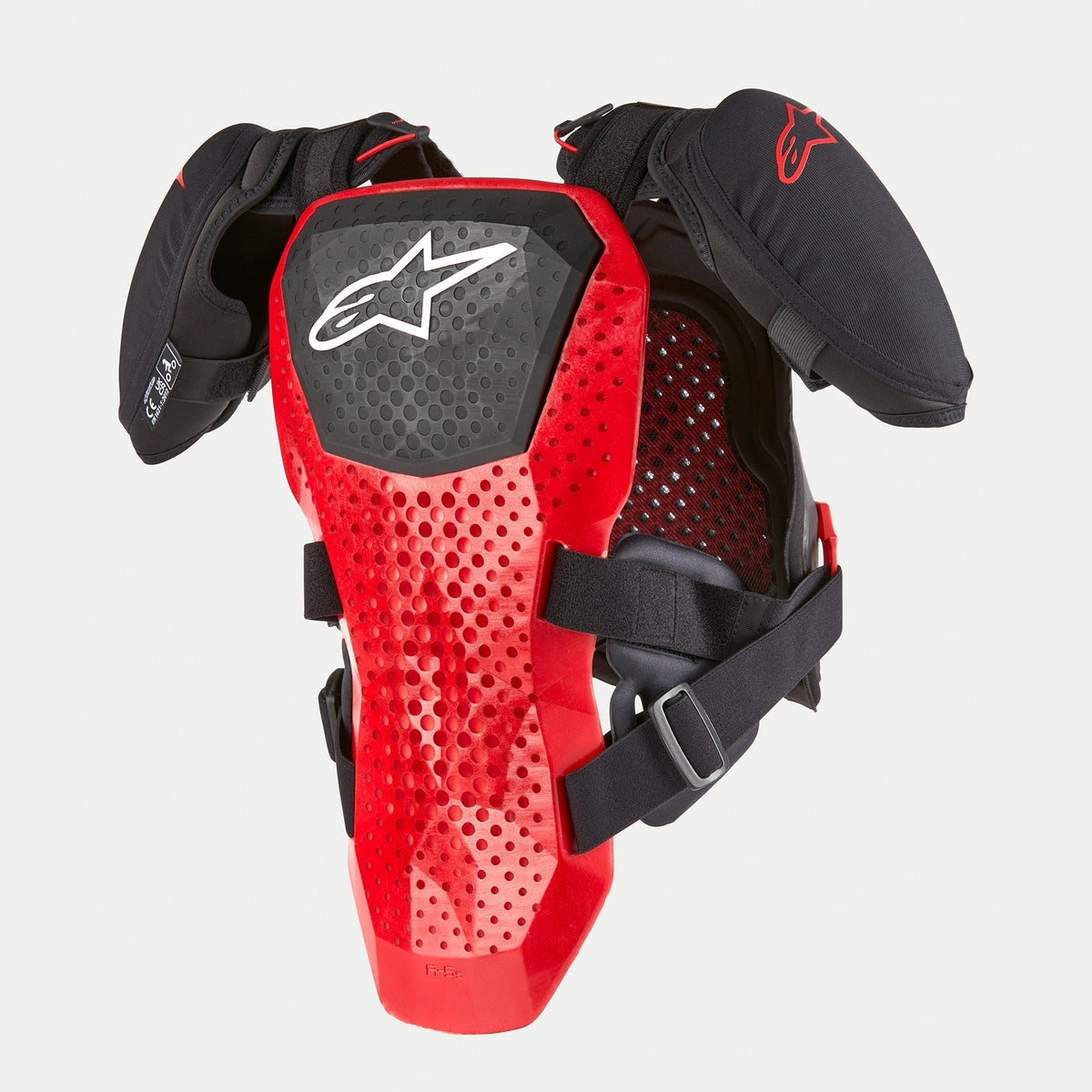
Protection De Poitrine A-5 S Junior -
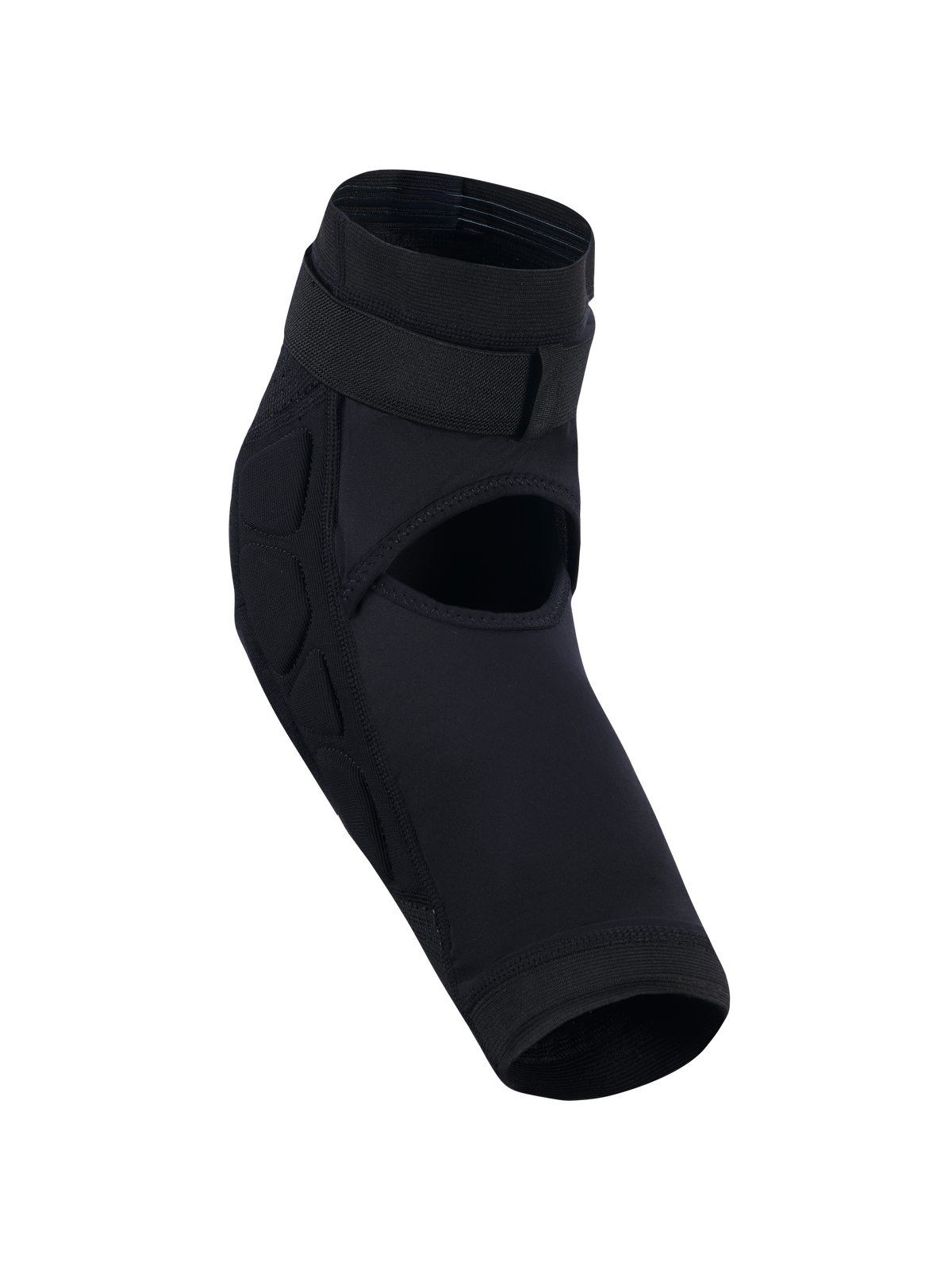
Protections De Coude Bionic Flex -
Coussin De Cou Sequence Junior -
Support De Cou Junior -
Ceinture Lombaire Sequence Enfant -
Protection De Genou Bionic Plasma Junior -
Genouillères SX-1 Junior -
Protections De Coude Bionic Plus

















































Foire aux questions Masquer les FAQ
Quelle est la différence entre un pare-pierres et une protection de poitrine MX certifiée CE ?
Les pare-pierres sont principalement conçus pour protéger des projections de pierres et de débris ainsi que des impacts légers, tandis que les protecteurs de poitrine et les protections dorsales certifiés CE sont conçus pour atténuer l’énergie d’un choc selon des normes définies de protection contre les impacts.
| Type de protection | Fonction principale | Certification | Port habituel |
|---|---|---|---|
| Pare-pierres | Dévie les débris et protège des contacts légers | Souvent EN 14021 (protection contre les projections de pierres) ou sans certification | Généralement porté par-dessus un maillot ; très ventilé |
| Protecteur de poitrine / protection dorsale | Absorbe l’énergie d’un impact lors d’une chute | EN 1621-3 (poitrine) / EN 1621-2 (dos), niveau 1 ou 2 | Souvent porté sous un maillot pour un ajustement près du corps |
Si vous roulez sur des pistes de motocross ou sur des terrains plus techniques, de nombreux pilotes choisissent une protection de la poitrine et du dos certifiée CE pour une meilleure atténuation des impacts, parfois associée à une coque pare-pierres légère selon les conditions.
Faut-il porter une protection de poitrine MX sous ou sur le maillot, et comment doit-elle être ajustée ?
Les protecteurs de poitrine et les protections dorsales certifiés CE de faible épaisseur se portent généralement sous un maillot pour un maintien stable et près du corps. Les pare-pierres se portent souvent par-dessus un maillot pour faciliter l’enfilage et le retrait et maximiser la circulation de l’air. Les deux options conviennent, à condition que la protection reste centrée, ne remonte pas et ne limite pas les mouvements des bras ou de la tête.
Choisissez la taille en fonction de votre tour de poitrine et de la longueur de votre torse, puis ajustez les sangles pour couvrir le sternum, les côtes et la colonne vertébrale sans laisser d’espace entre la protection et le corps. En position de pilotage, la protection ne doit pas toucher votre casque, gêner une protection cervicale si vous en utilisez une, ni se déplacer lors des freinages et des réceptions de sauts.
Quelles normes de sécurité s’appliquent aux protections de poitrine MX, et que signifient les niveaux 1 et 2 ?
Les pare-pierres pour le tout-terrain peuvent faire référence à la norme EN 14021, qui porte sur la déviation des projections de pierres et de débris. Les protections qui absorbent les impacts sont généralement certifiées selon la norme EN 1621-3 pour la poitrine et EN 1621-2 pour le dos. Ces deux normes définissent des niveaux 1 et 2 : le niveau 2 indique une force transmise plus faible, donc une meilleure atténuation des impacts, lors d’essais normalisés.
Choisissez le niveau en fonction du risque que vous êtes prêt à accepter et de votre style de pilotage : le niveau 2 atténue davantage les impacts, mais peut être légèrement plus lourd ou moins ventilé que le niveau 1. Vérifiez toujours l’étiquette ou la description du produit pour connaître la norme et le niveau exacts.
Peut-on utiliser un protecteur de poitrine ou une protection dorsale avec une protection cervicale ou un sac d’hydratation ?
Oui. De nombreuses protections de poitrine MX sont conçues pour être compatibles avec une protection cervicale et un sac. Recherchez des réglages aux épaules, une encolure peu encombrante et des panneaux modulaires pour que la protection cervicale repose correctement sur vos épaules et que la plaque dorsale puisse accueillir une poche à eau sans créer de points de pression.
Testez l’ensemble de votre équipement sur la moto pour vérifier que la protection cervicale repose sur les surfaces prévues et que les sangles du sac ne déplacent pas les protections. Pour les options de soutien cervical, découvrez notre collection de protections cervicales MX ; pour d’autres options de protection du torse, consultez nos protections de poitrine MX.
Comment nettoyer et entretenir les protections de poitrine MX ?
Retirez les inserts souples si possible, fermez les sangles et commencez par rincer la saleté. Lavez les éléments textiles à la main, à l’eau froide avec une lessive douce, et essuyez les coques rigides avec un chiffon humide. N’utilisez ni eau de Javel, ni solvants, ni assouplissants.
Laissez sécher à l’air libre, à l’abri des sources de chaleur directe et du soleil, puis remontez les éléments uniquement lorsqu’ils sont entièrement secs. Inspectez les protections après toute chute importante et remplacez celles qui présentent des fissures, une mousse écrasée ou des panneaux déformés afin de préserver leurs performances de protection contre les impacts.