
6 results
-
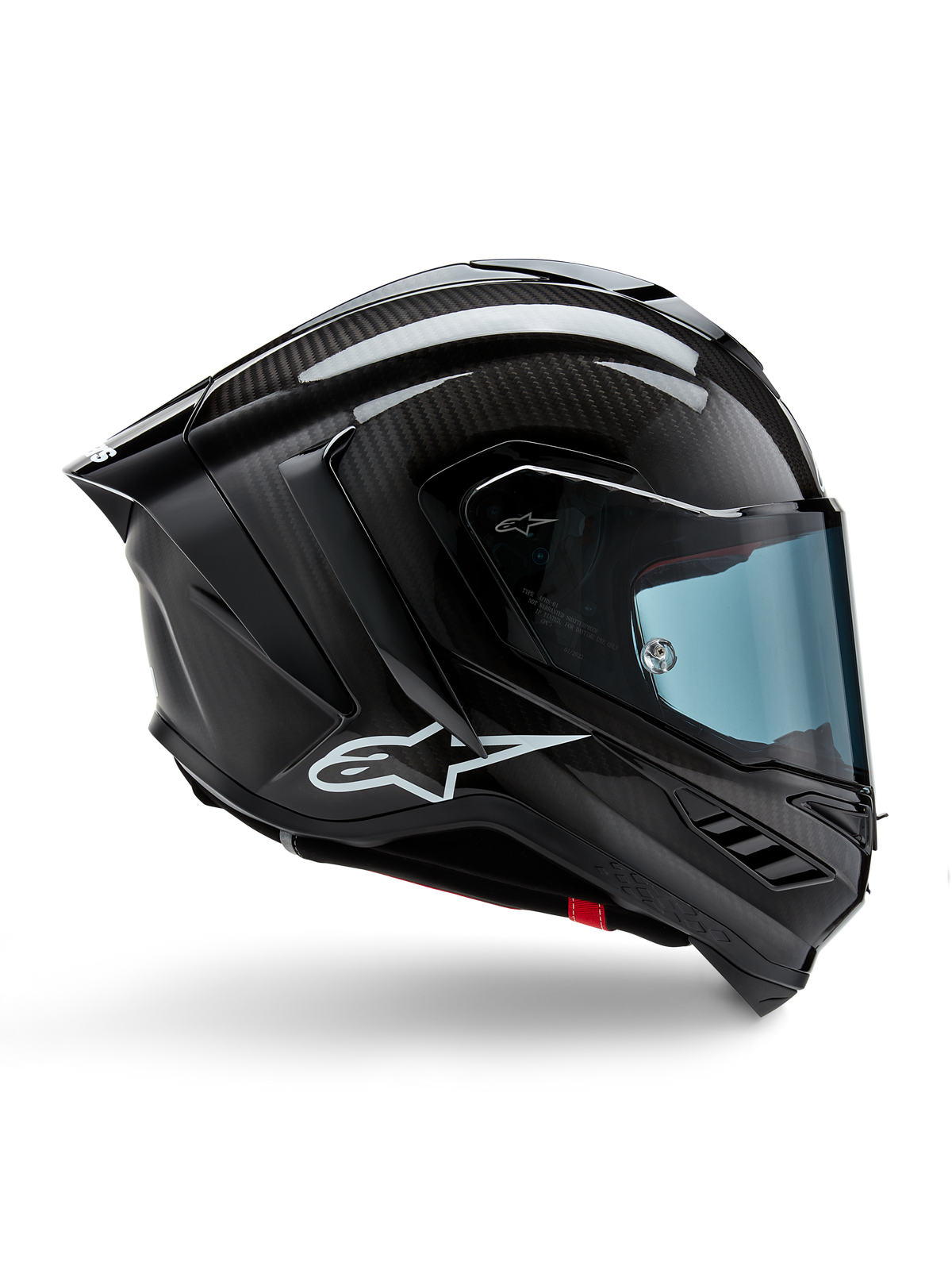
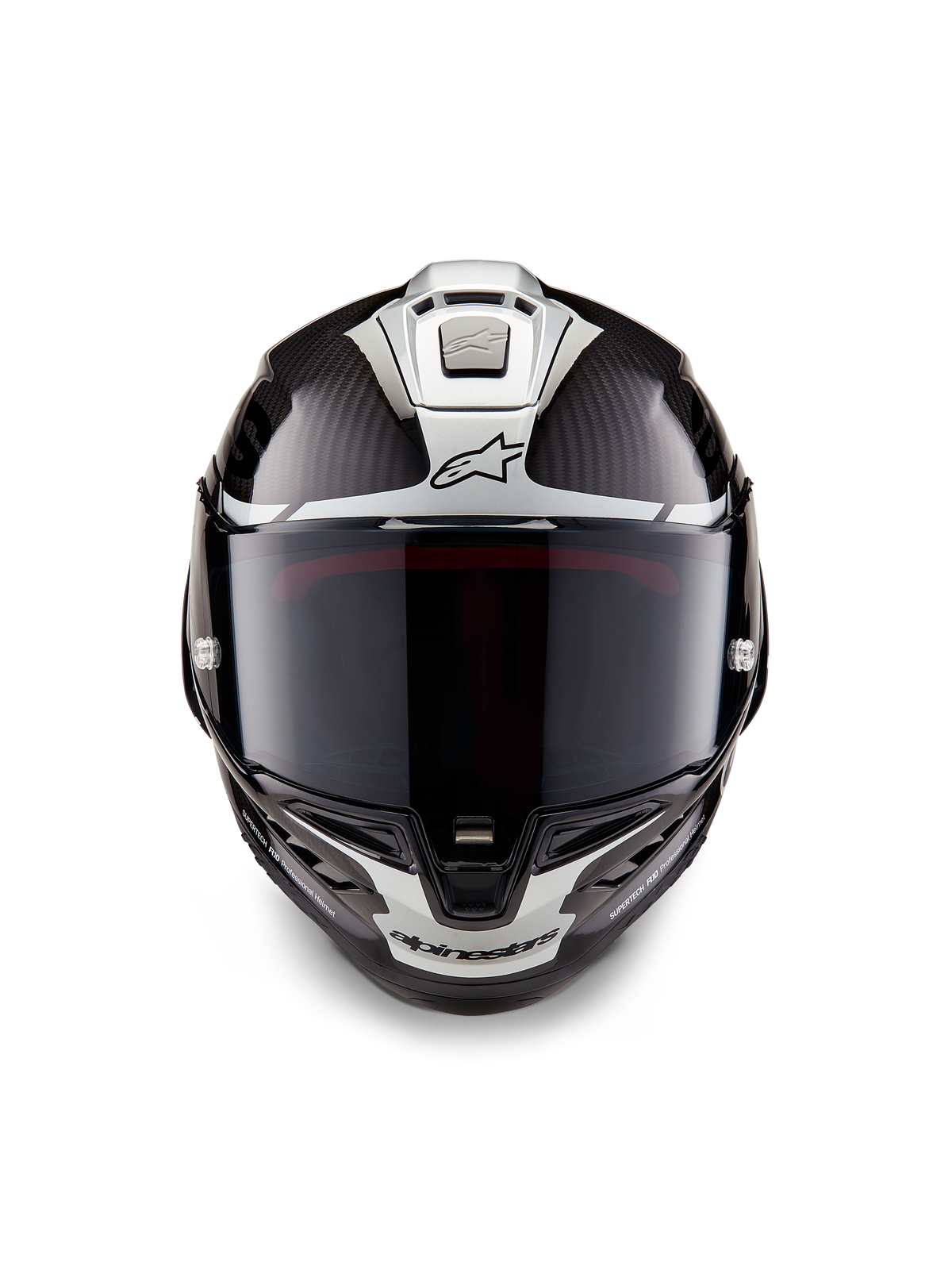
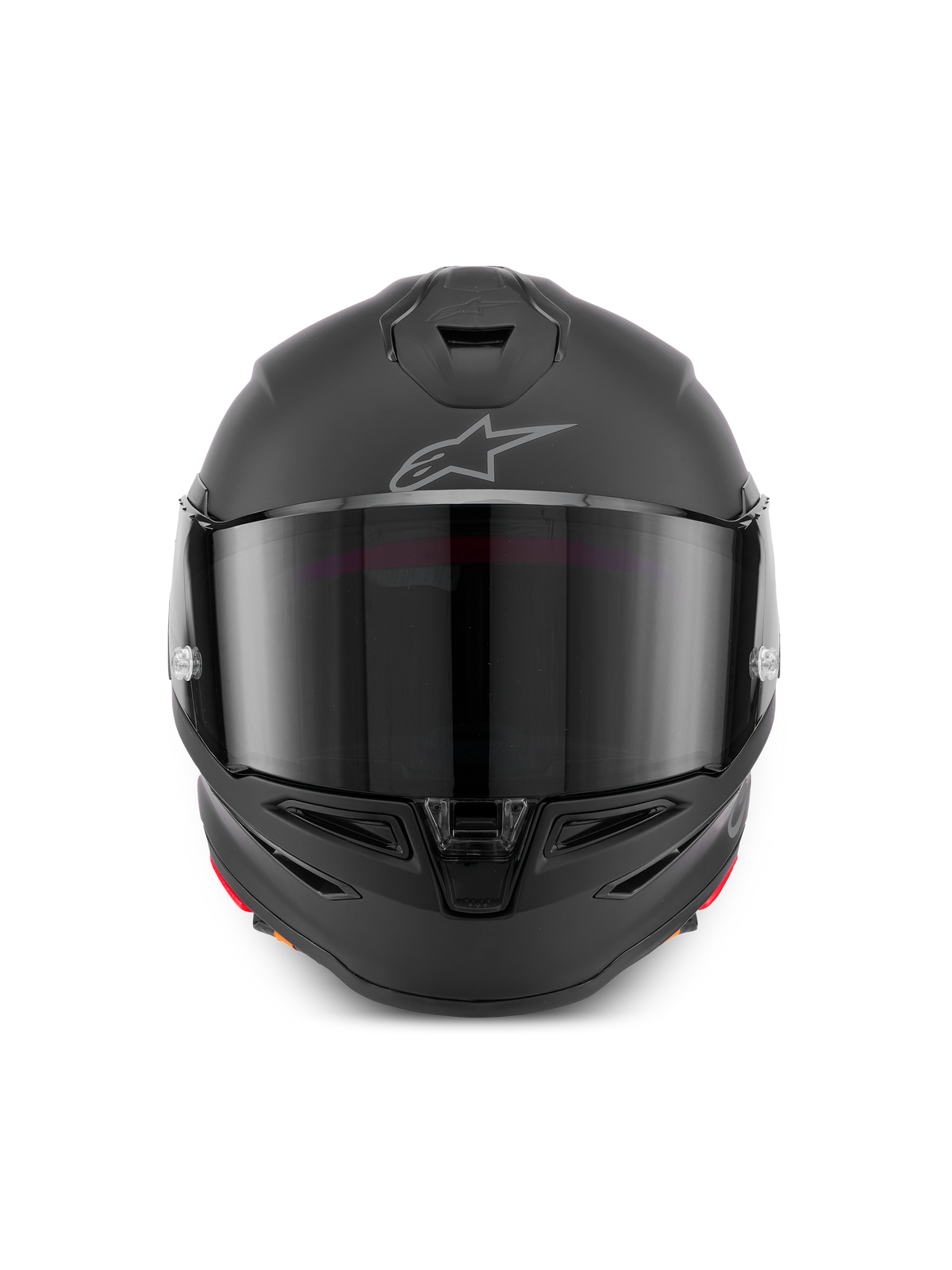
Supertech R10 Solid Helmet -
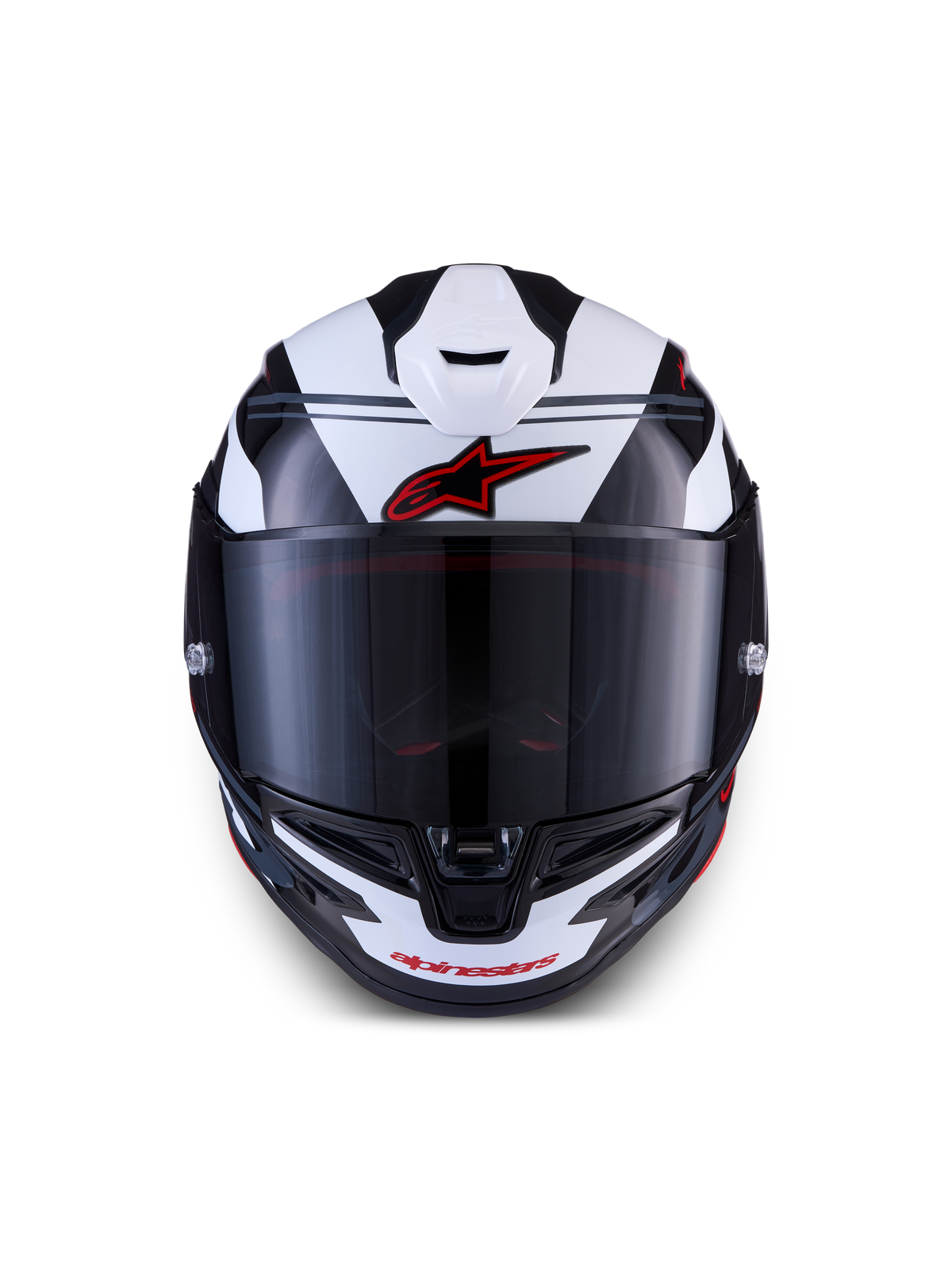
Supertech R10 Element Helmet -
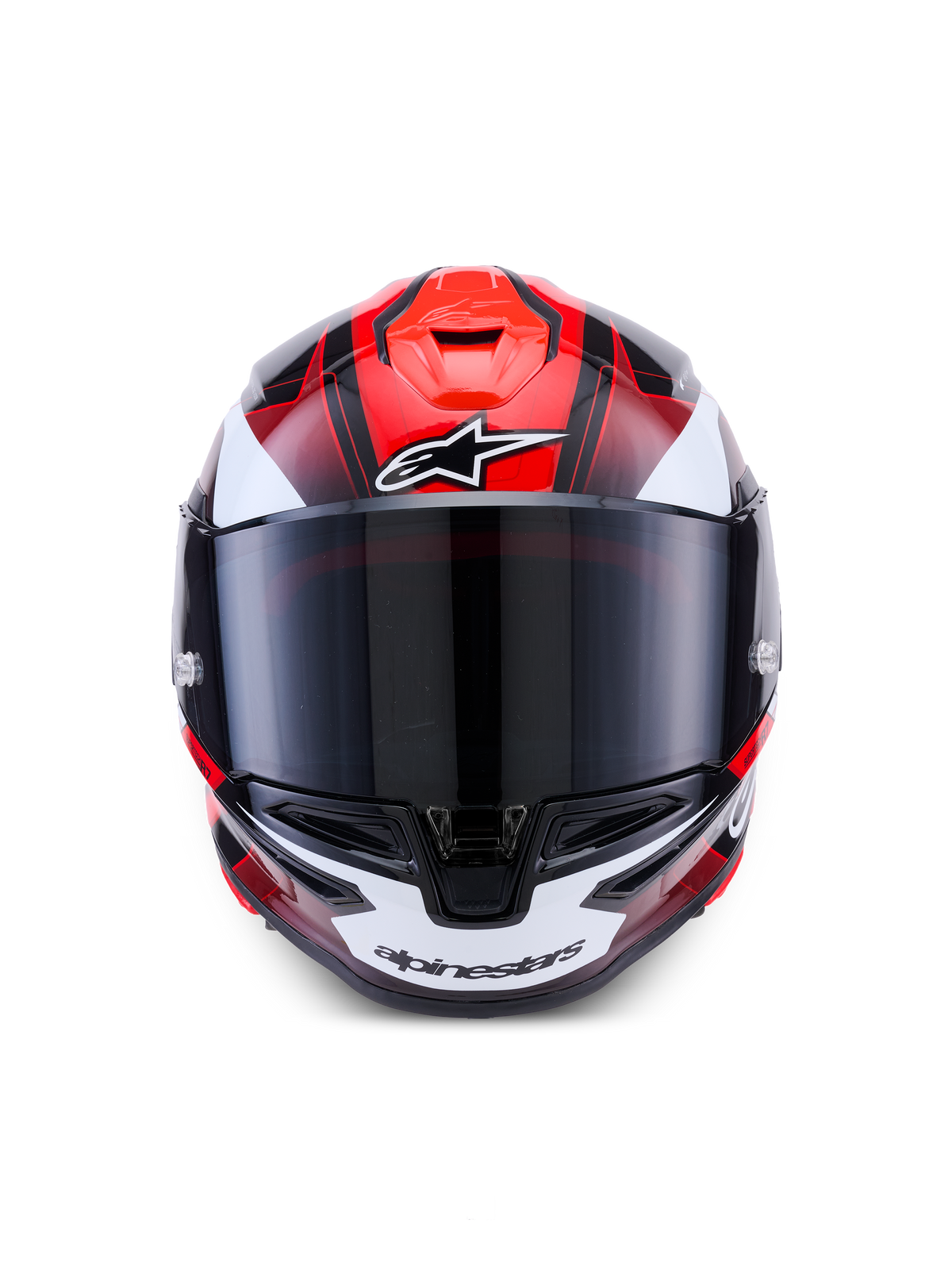
S-R7 Solid Helmet -
S-R7 Kinetis Helmet -
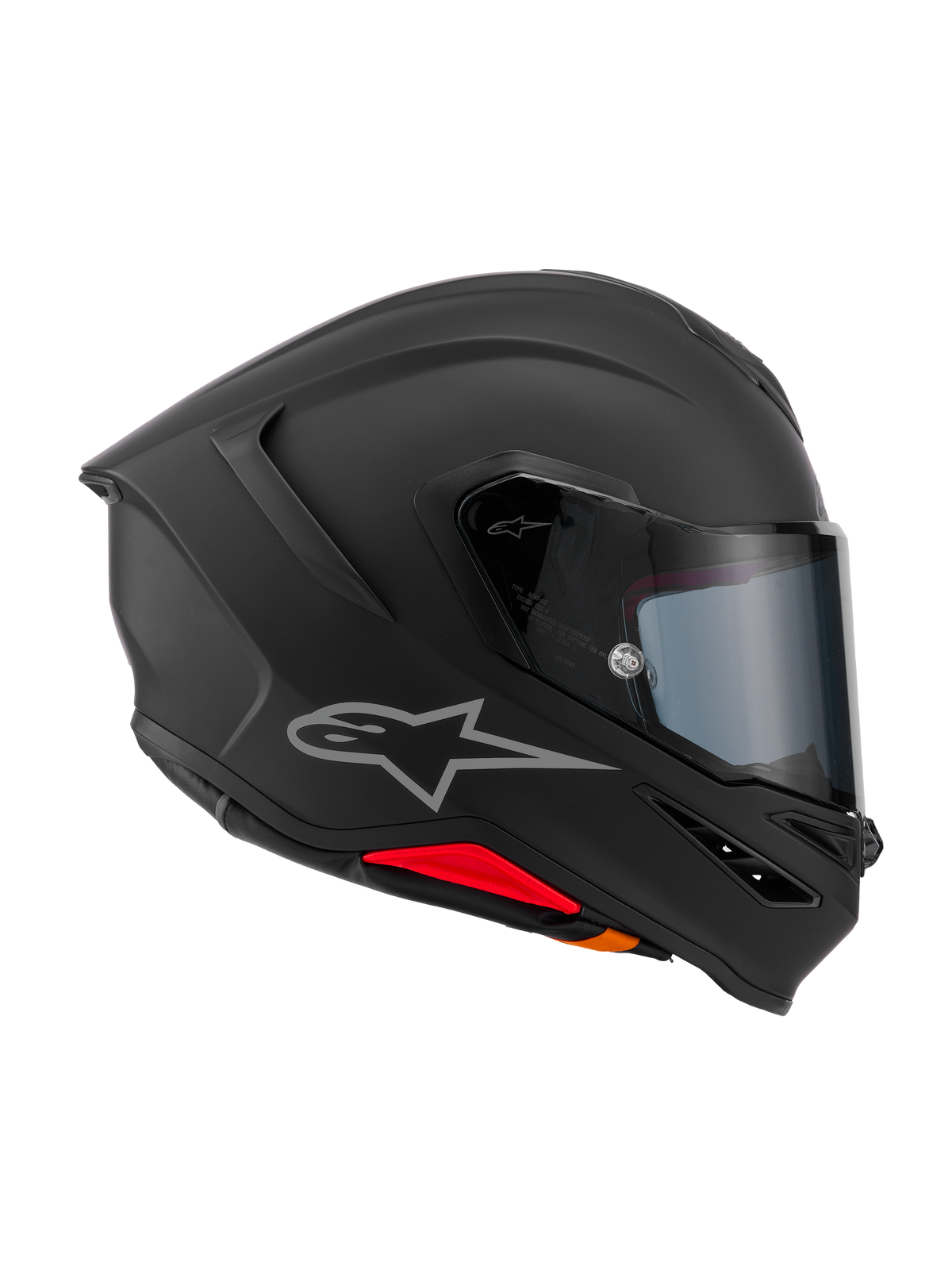
S-R7 Solid Helmet -
S-R7 A-Core Helmet









6 of 6 products
All products loaded
Frequently asked questions Hide FAQs
What types of black motorcycle helmets are included in this collection?
This collection brings together black motorcycle helmets across the main riding categories, typically including full-face road and track helmets as well as off-road and motocross designs, depending on current availability. The right choice depends on riding discipline first, not color.
Road and racing helmets are built around visor coverage, aerodynamic stability, and high-speed comfort. Off-road helmets prioritize peak design, goggle compatibility, and high airflow for dirt riding. If you want to compare broader options by use, explore our motorcycle helmets and motocross helmets collections.
How should a black motorcycle helmet fit, and how do I choose the right size?
A motorcycle helmet should fit evenly snug around the crown, forehead, and cheeks without painful pressure points. It should feel secure when you move your head, and it should not rotate freely or lift excessively when the chin bar or shell is gently moved by hand.
Start with your head circumference and compare it with the size chart on the product page. Then consider head shape as well as measurement, because the best helmet is the one that maintains stable, even contact all around the head. If you are between sizes, avoid choosing a loose initial fit, since comfort padding will normally settle slightly with use.
Are black motorcycle helmets as safe as other colors, and what certifications should I look for?
Yes. Helmet safety is determined by construction, energy management, retention performance, and correct fit, not by whether the finish is black, matte, or gloss. A black helmet can be just as protective as any other color when it is designed for the intended riding use and properly certified.
For U.S. road use, look for DOT compliance. Many premium helmets also carry ECE 22.06 certification, which reflects a more current test standard for impact and retention performance. Depending on the model and use case, some helmets may also reference additional third-party testing or race-oriented standards, but fit remains essential to real-world protection.
Do black motorcycle helmets get hotter in the sun?
In direct sunlight, a black helmet can absorb more radiant heat than a lighter-colored helmet, so the shell may feel warmer when parked or when you are stopped for long periods. That said, on-bike comfort is also strongly affected by ventilation design, internal airflow, lining materials, ambient temperature, and whether you are moving or stationary.
If you ride in hot conditions, prioritize helmets with efficient intake and exhaust venting, effective moisture management, and a discipline-specific design matched to your use. Parking out of direct sun and allowing the helmet to vent before riding can also improve comfort.
How do I clean and care for a black motorcycle helmet?
Clean the shell and visor with a soft microfiber cloth, water, or a mild soap solution, then dry gently to reduce the risk of scratching. Avoid harsh solvents, petroleum-based cleaners, abrasive sponges, or glass-cleaning chemicals, because they can damage the shell finish, visor coatings, or trim materials.
For matte black finishes, use the same gentle approach and avoid aggressive polishing, which can create uneven shiny areas. If the helmet has a removable liner, clean it only as permitted by the product care guidance and let all parts air-dry fully away from direct heat. Regular inspection of the visor mechanism, vents, cheek pads, and retention system helps maintain comfort, visibility, and day-to-day function.