




Frequently asked questions Hide FAQs
Are yellow motorcycle helmets more visible on the road?
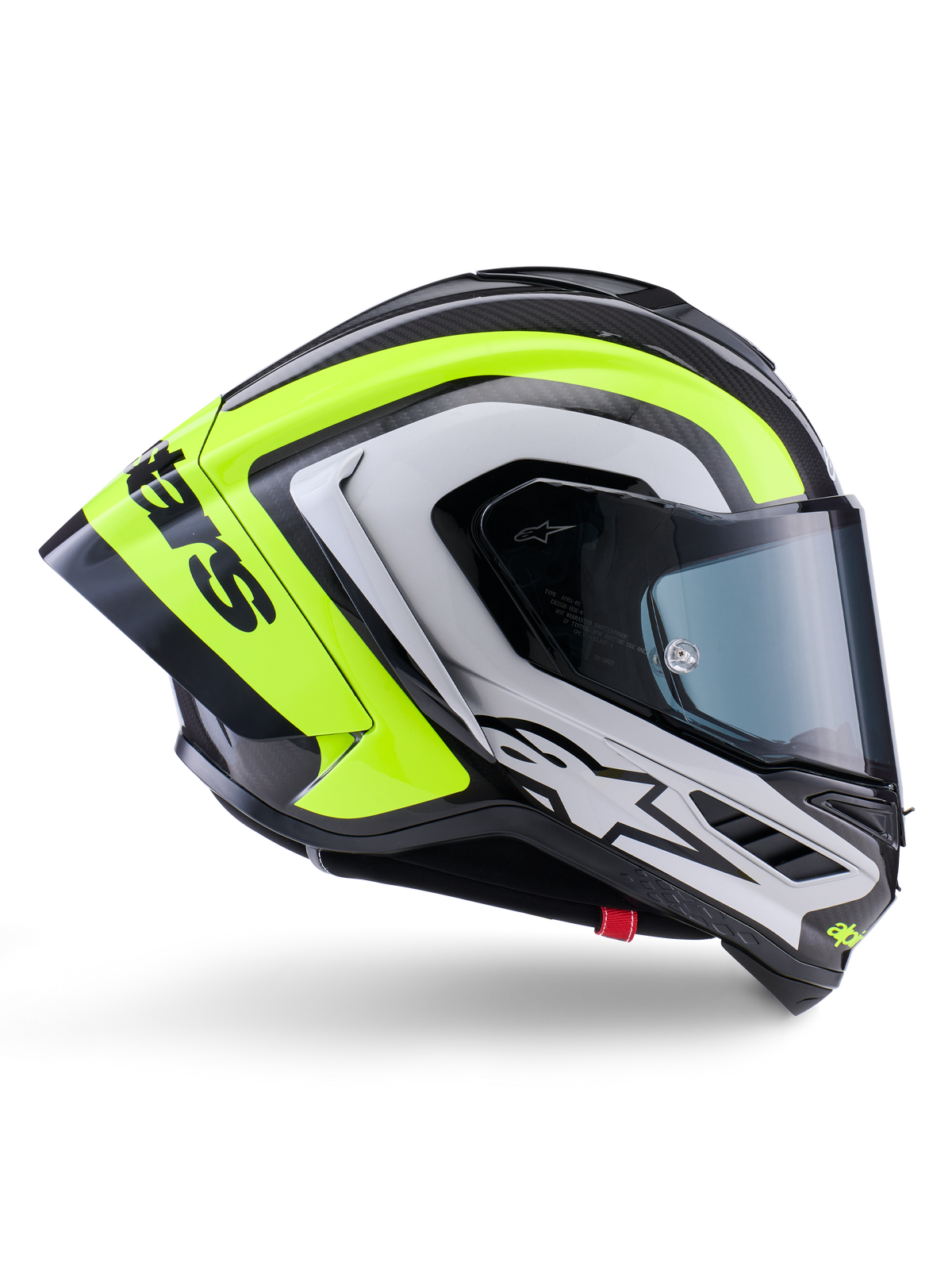
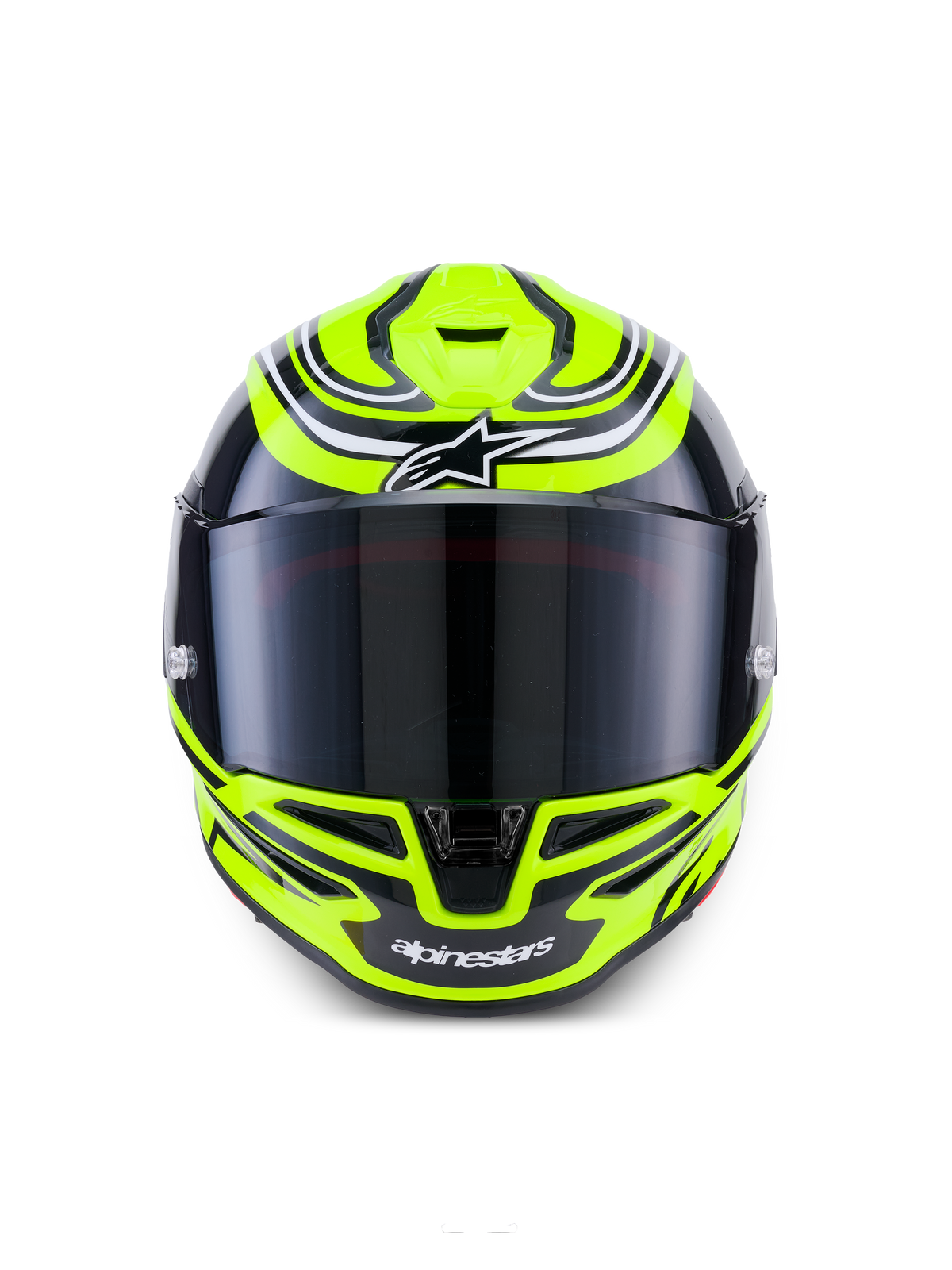
Yellow motorcycle helmets are commonly chosen for high visibility because bright finishes are easier to pick out in traffic than darker colors. That can help rider conspicuity in daytime riding, urban traffic, and changing light conditions, especially for commuting and general road use.
Visibility is only one part of helmet choice. A yellow helmet should still be selected based on correct fit, riding application, ventilation, and the safety certification required for the market where you ride.
How should a yellow motorcycle helmet fit, and how do I choose the right size?
A motorcycle helmet should fit snugly with even pressure around the head, without painful hot spots or excessive movement. A proper fit helps keep the protective liner correctly positioned and also improves stability at speed.
Measure your head circumference just above the eyebrows and compare it with the size chart for the helmet range. When trying a helmet on, check that the cheek pads feel secure, the helmet does not roll easily when you move your head, and there are no pressure points after several minutes of wear.
What safety certifications should I look for in a yellow motorcycle helmet?
Color does not affect certification, so the key checkpoint is the approval standard listed for the helmet. Depending on the model and intended market, helmets in this collection may reference standards such as DOT or ECE 22.06, while some race-focused options may also refer to FIM homologation.
The right certification depends on where and how you ride. Always verify the exact approval shown on the product page before ordering, especially if you need a helmet for road use in a specific region or for competition requirements.
Which type of yellow helmet is best for road, track, or off-road riding?
The right yellow helmet depends on your riding discipline. Road and track riders typically look for full-face designs with aerodynamic stability, visor performance, and controlled ventilation, while off-road riders need peak-equipped helmets with strong airflow and goggle compatibility.
| Riding use | Typical helmet type | What to prioritize |
|---|---|---|
| Street and commuting | Full-face road helmet | Stable fit, visor clarity, balanced ventilation, certified protection |
| Track and sport riding | Race-focused full-face helmet | Aerodynamics, field of vision, high-speed stability, competition-relevant approvals |
| Motocross and off-road | Off-road helmet | Low weight, airflow, roost protection, goggle compatibility |
If you want to compare broader options beyond this color-led selection, explore our motorcycle helmets collection or dedicated motocross helmets.
How do I clean and care for a yellow motorcycle helmet?
Clean the exterior with a soft cloth, lukewarm water, and mild soap, and avoid aggressive chemicals that can affect the finish, visor coatings, or trim. For bug residue or road grime, let a damp cloth sit on the surface briefly before wiping rather than scrubbing hard.
If the helmet has removable interior padding, wash it according to the care instructions and let it air dry fully before reinstalling. Always dry the helmet away from direct heat, and inspect the visor, vents, liner, and retention system regularly for wear or damage.