17 Ergebnisse
-
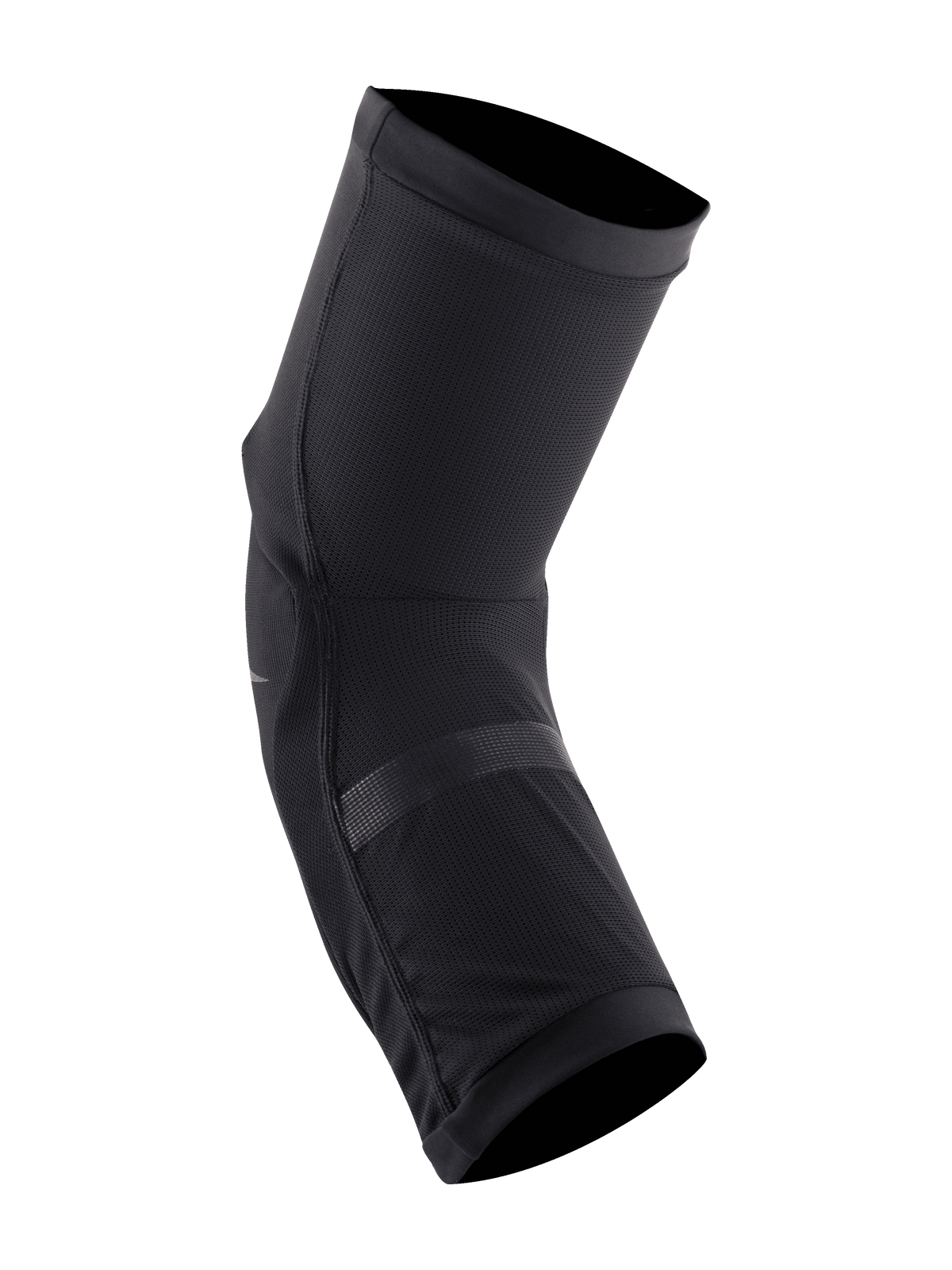
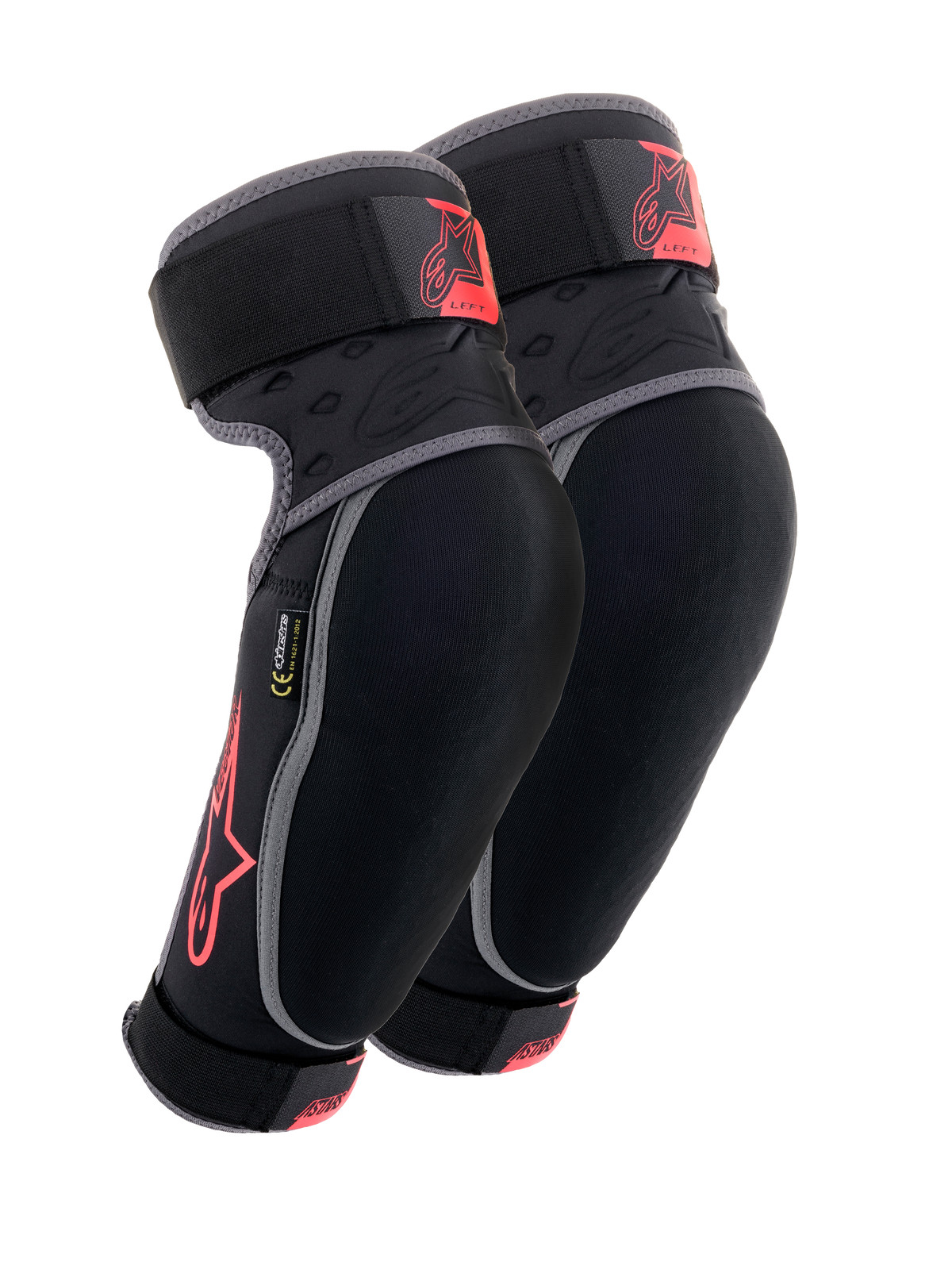
Paragon Plus Knie-/Schienbeinschützer -
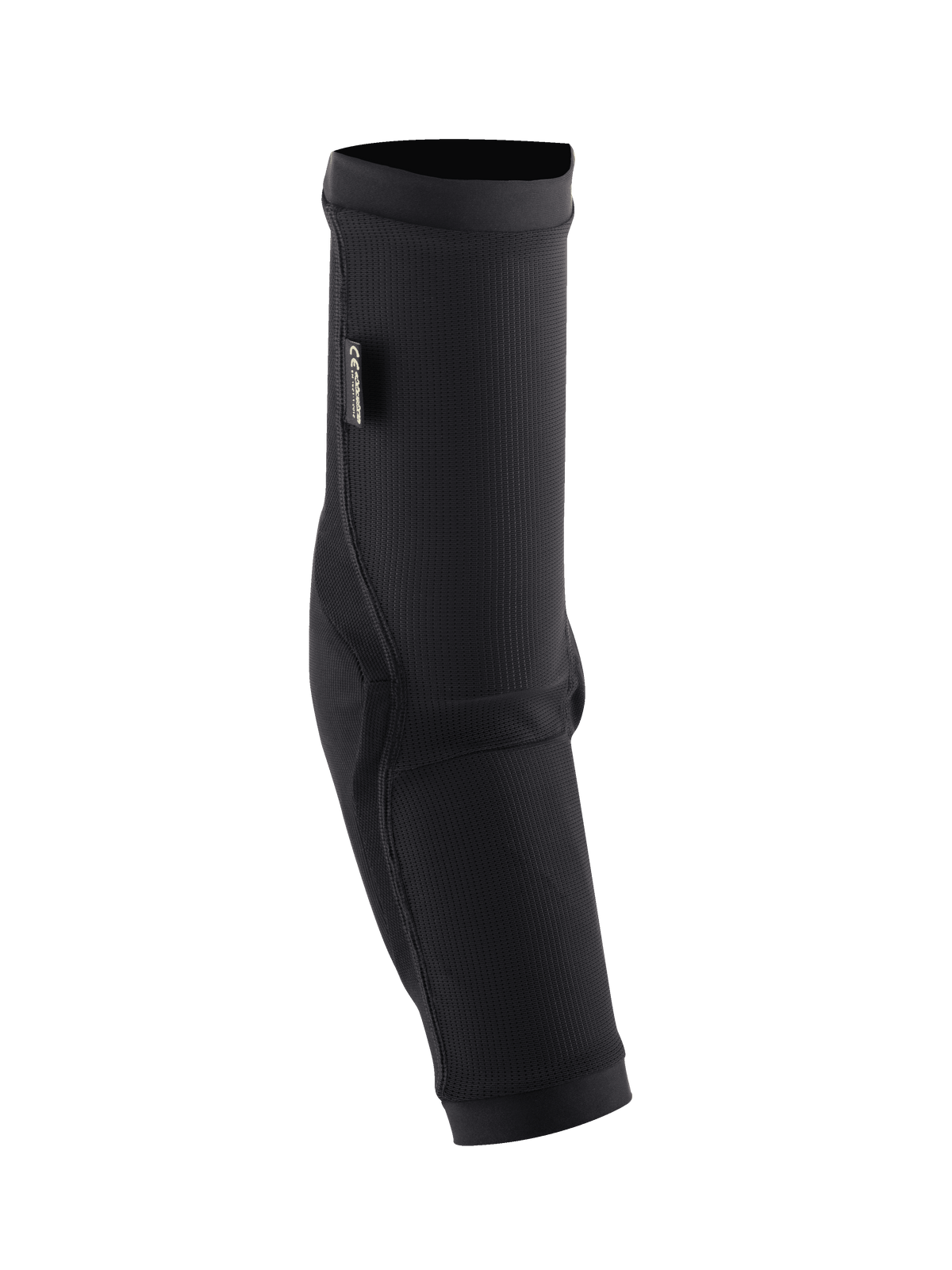
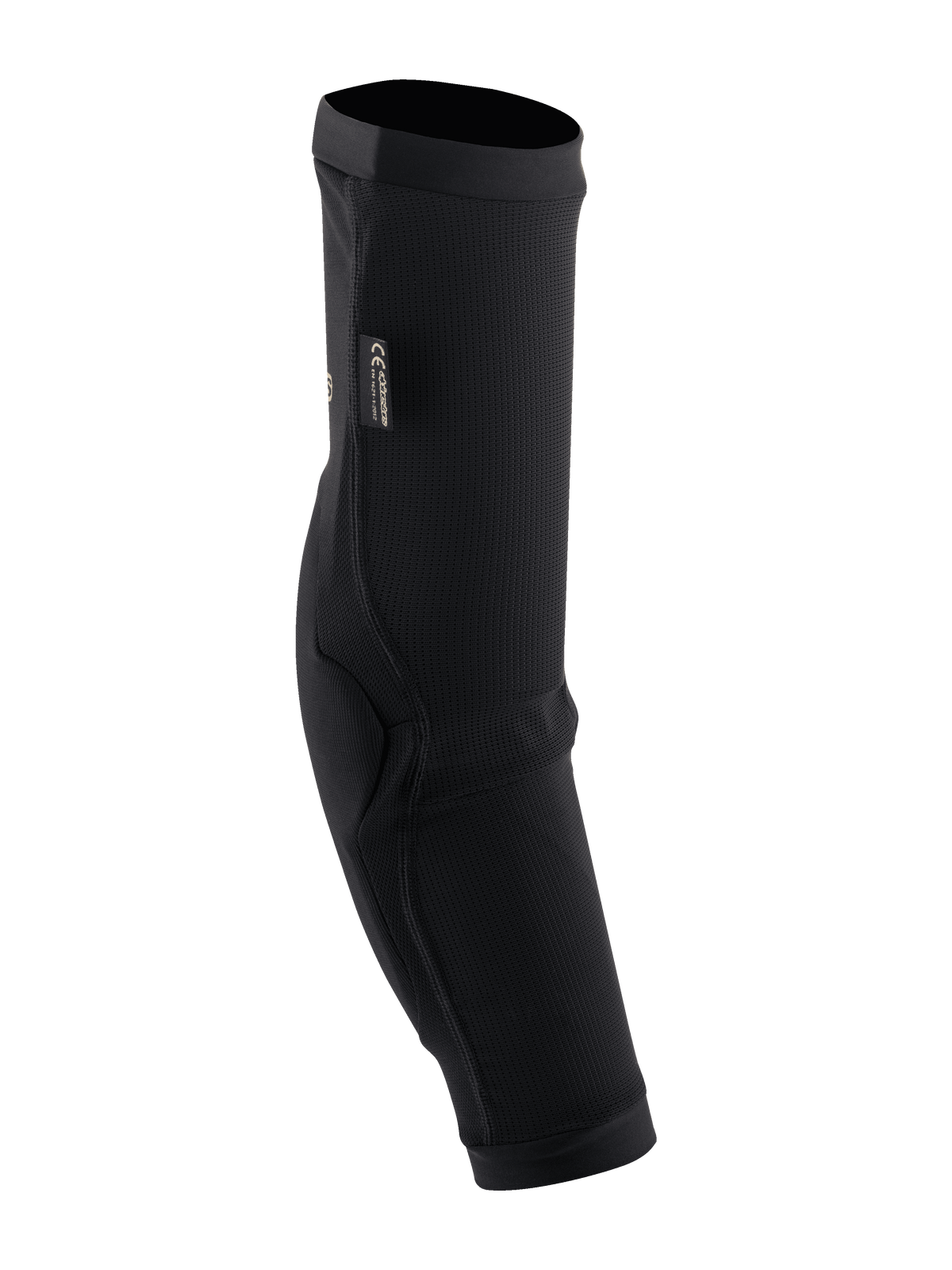
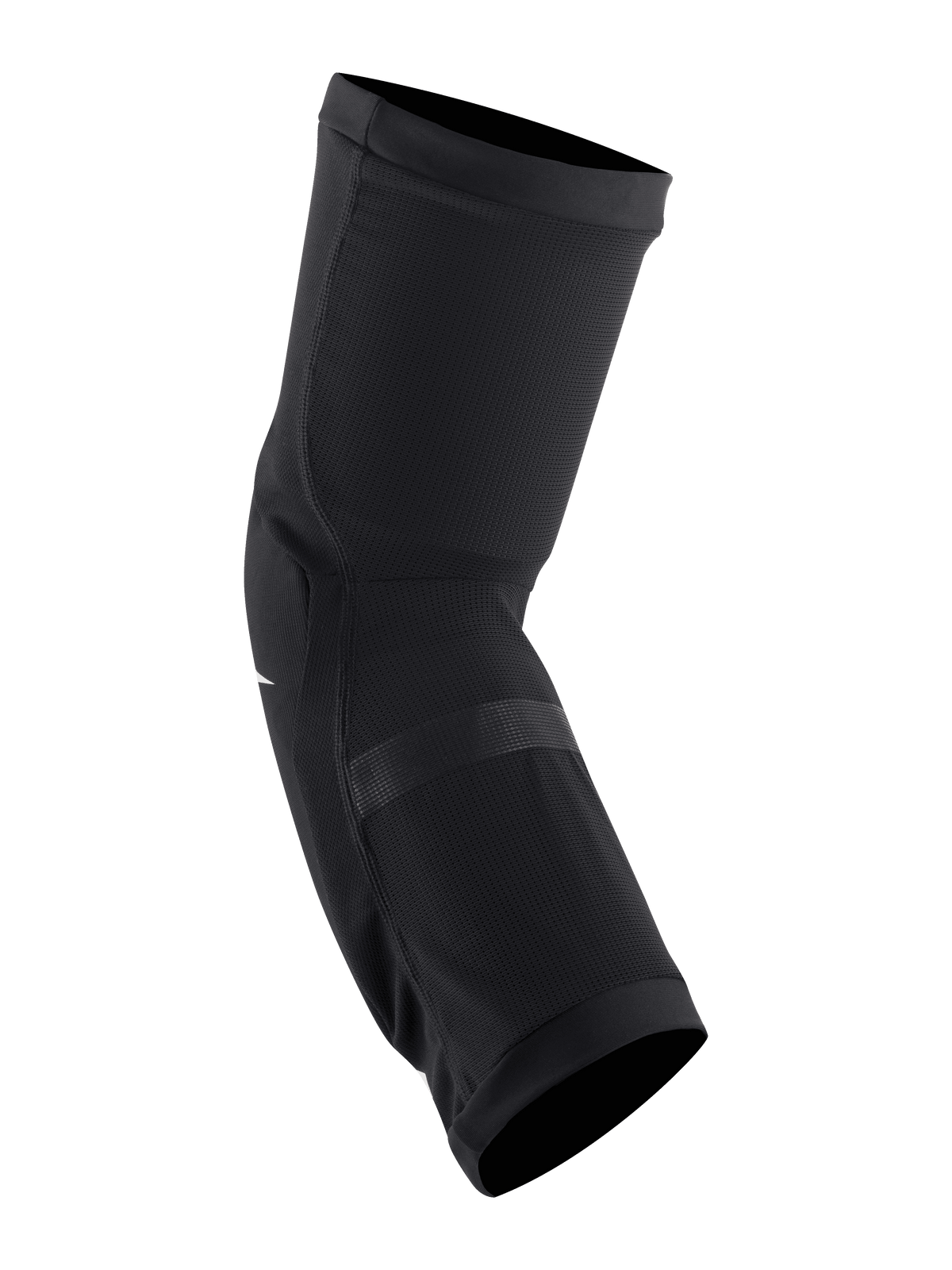
Paragon Plus Ellbogenprotektoren -
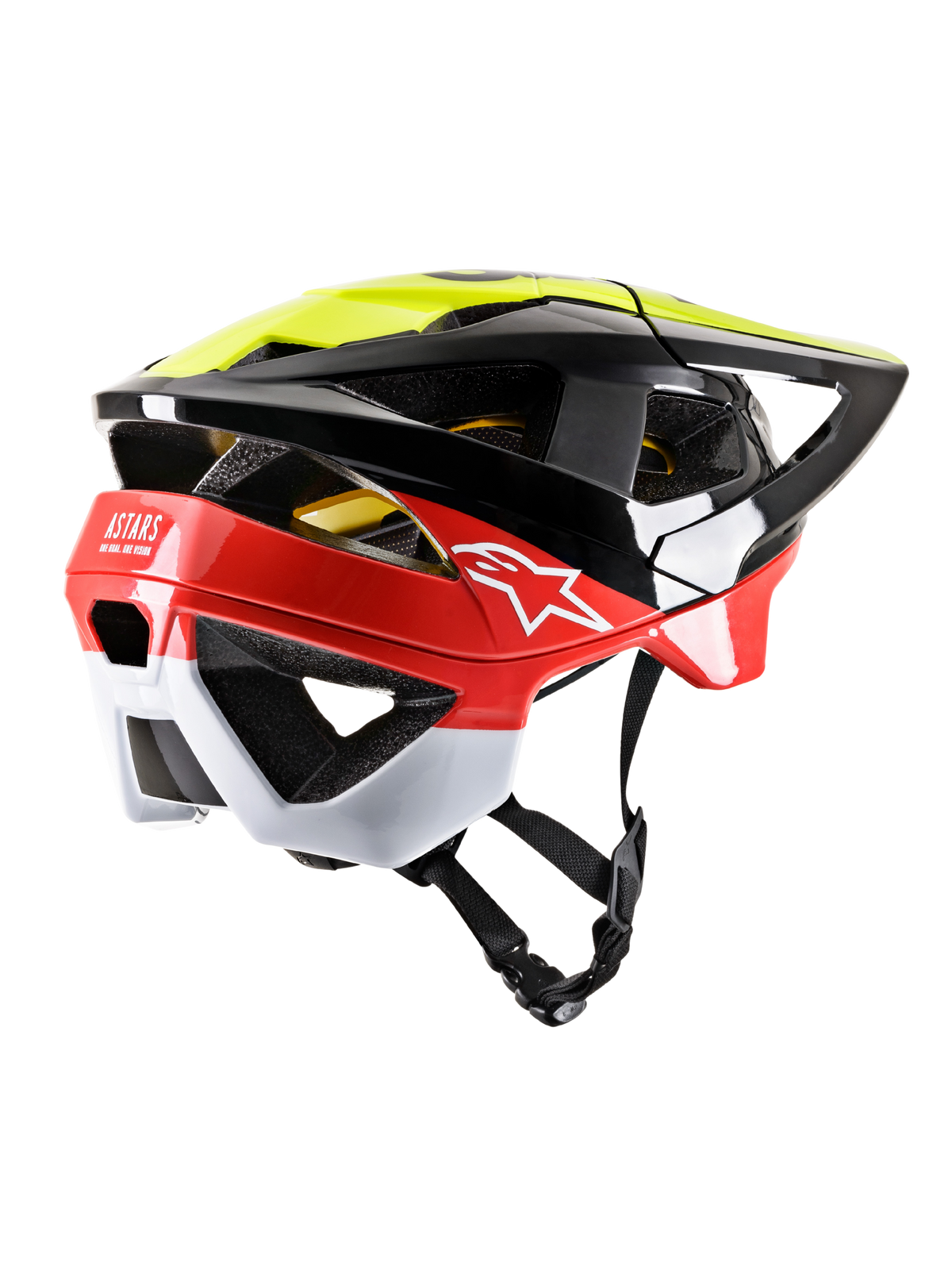
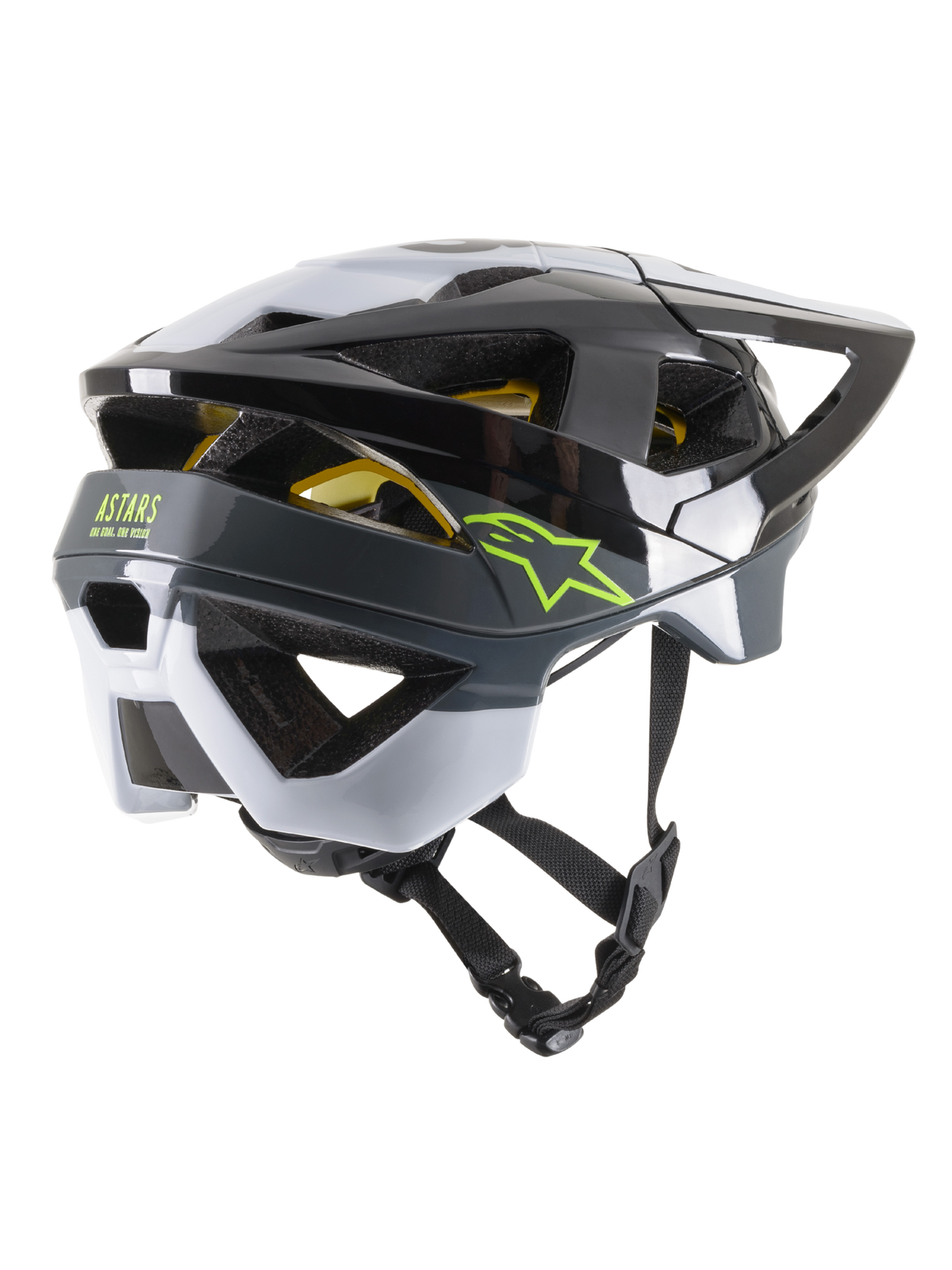
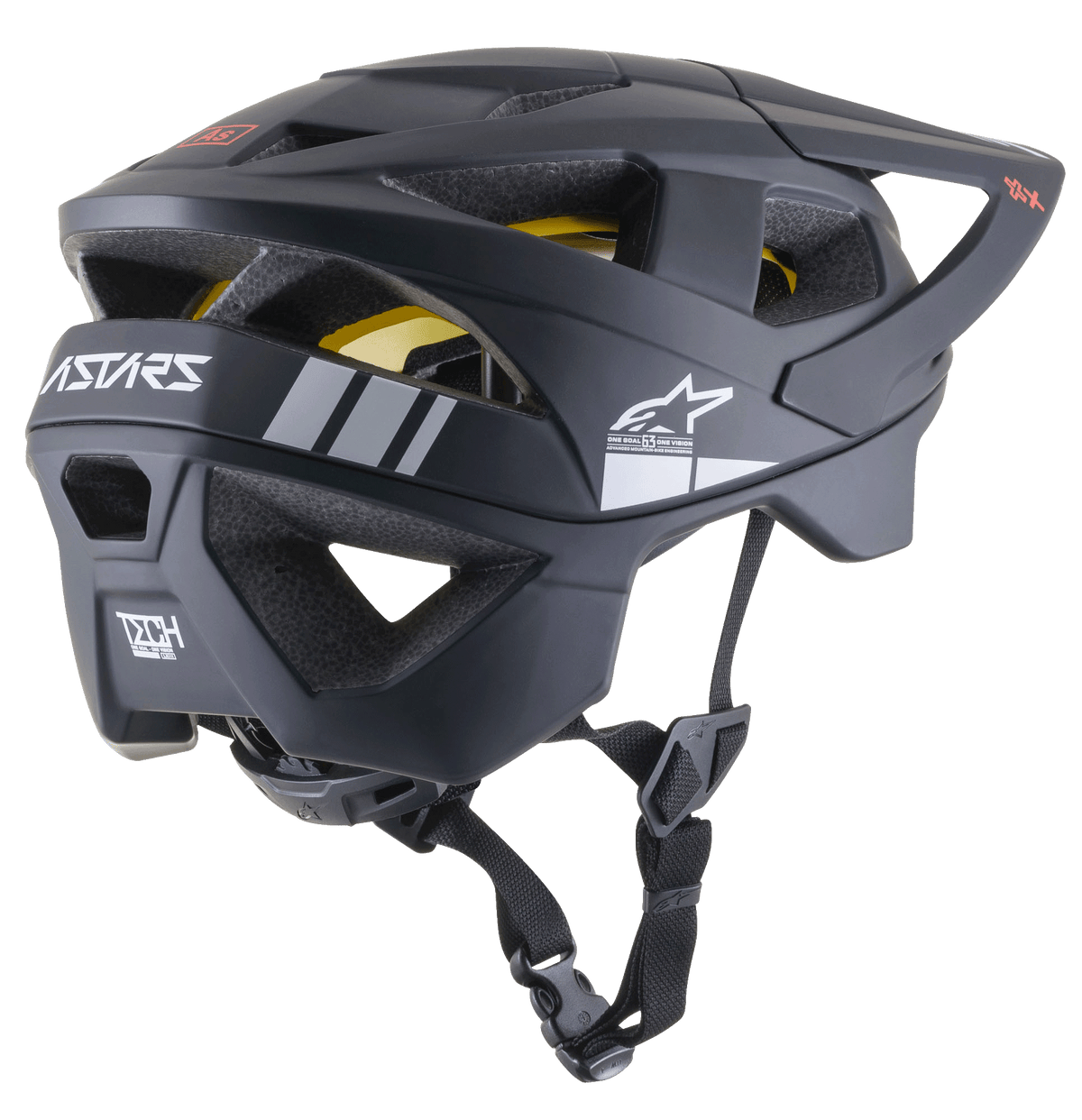
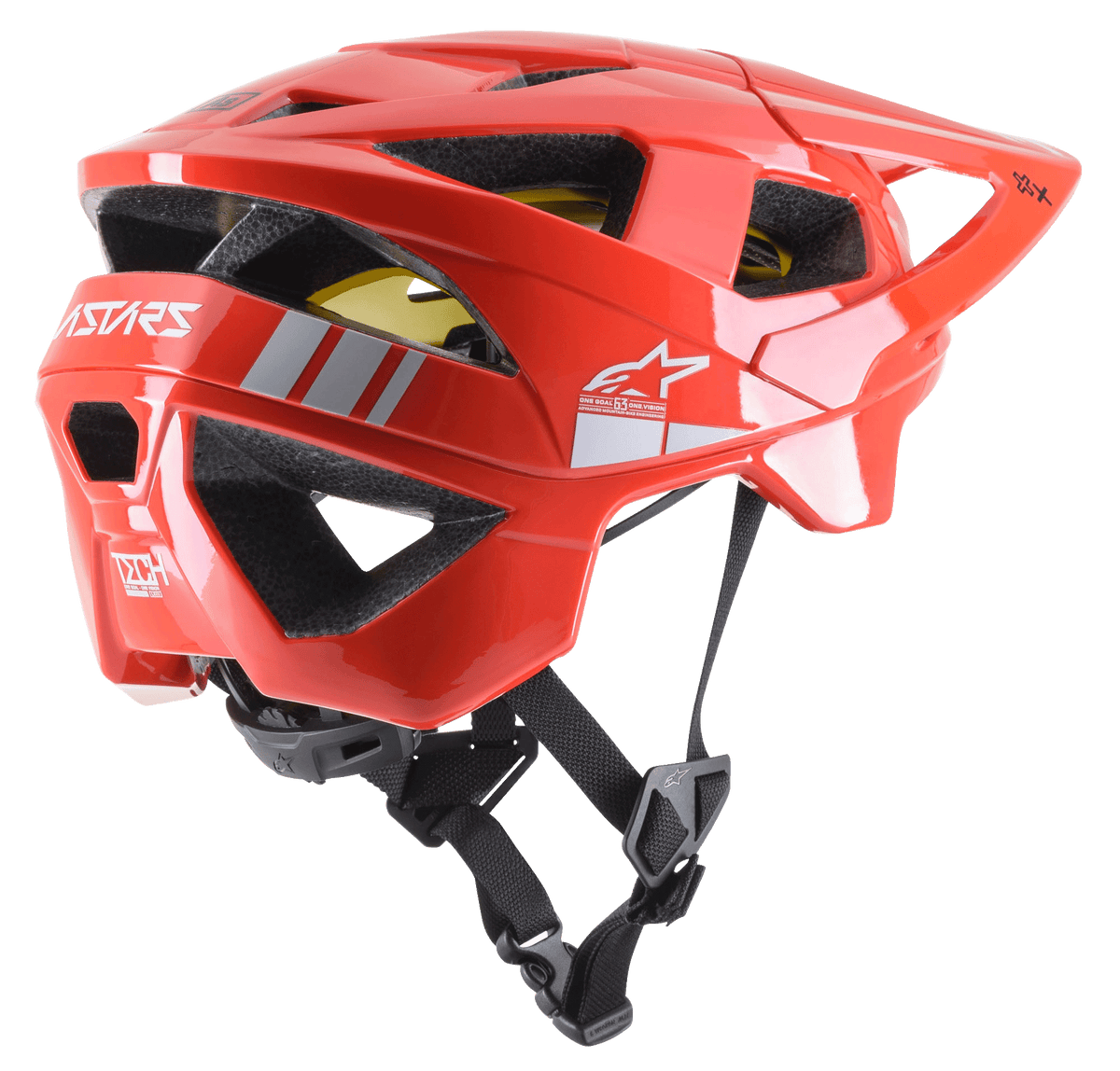
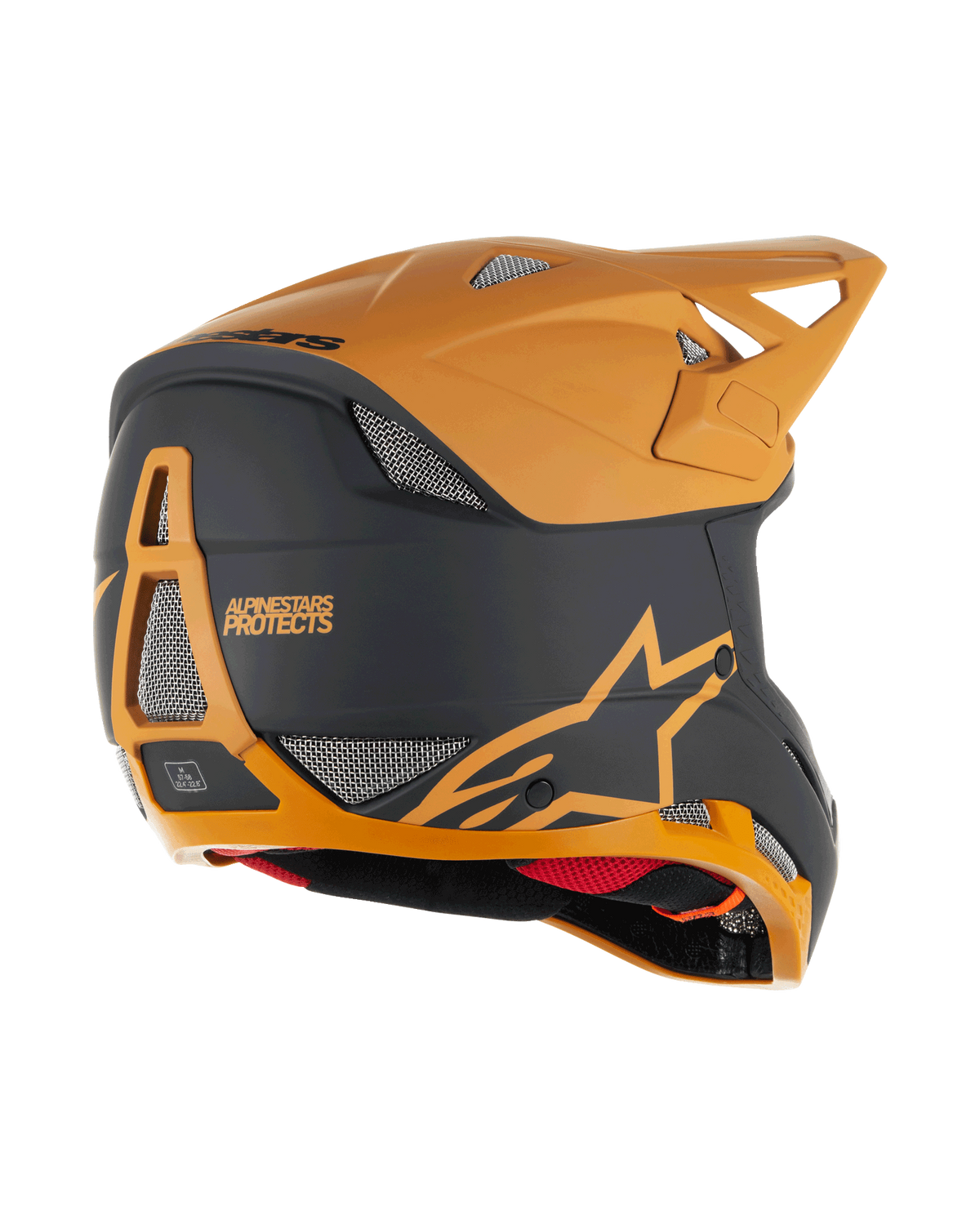
Vector Tech Pilot MTB Helm CE -
Vector Tech Pilot Helm Ce -
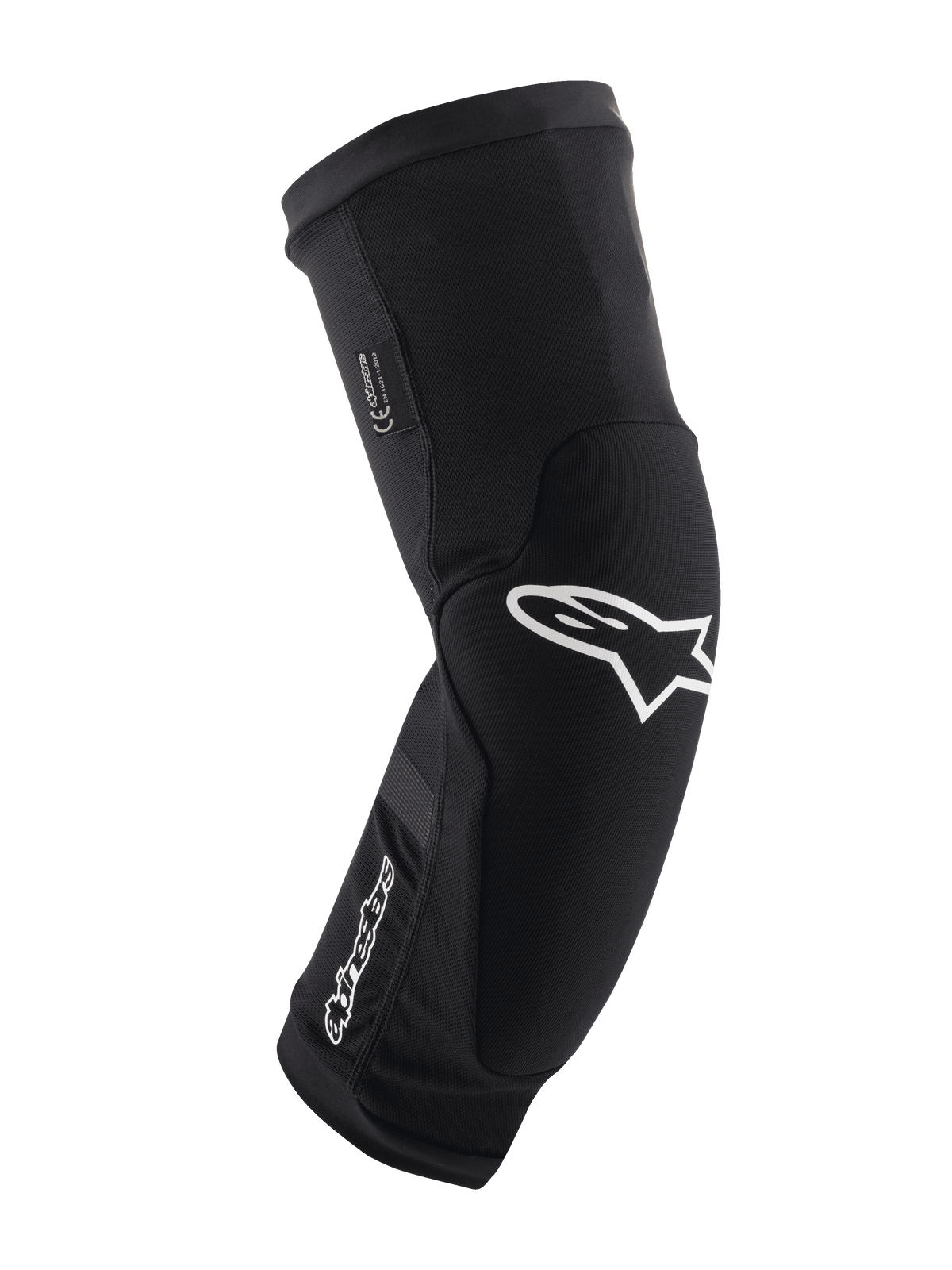
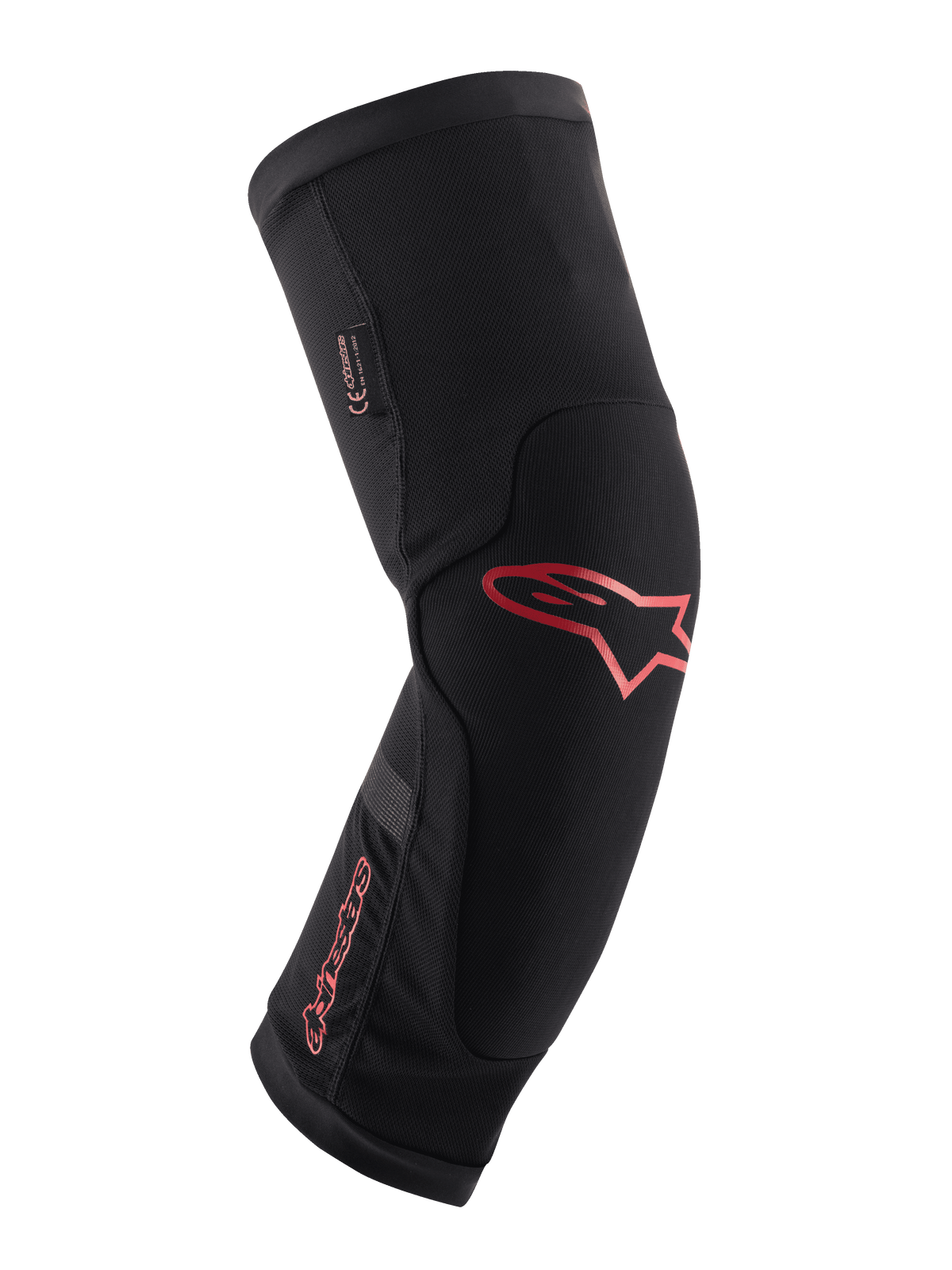
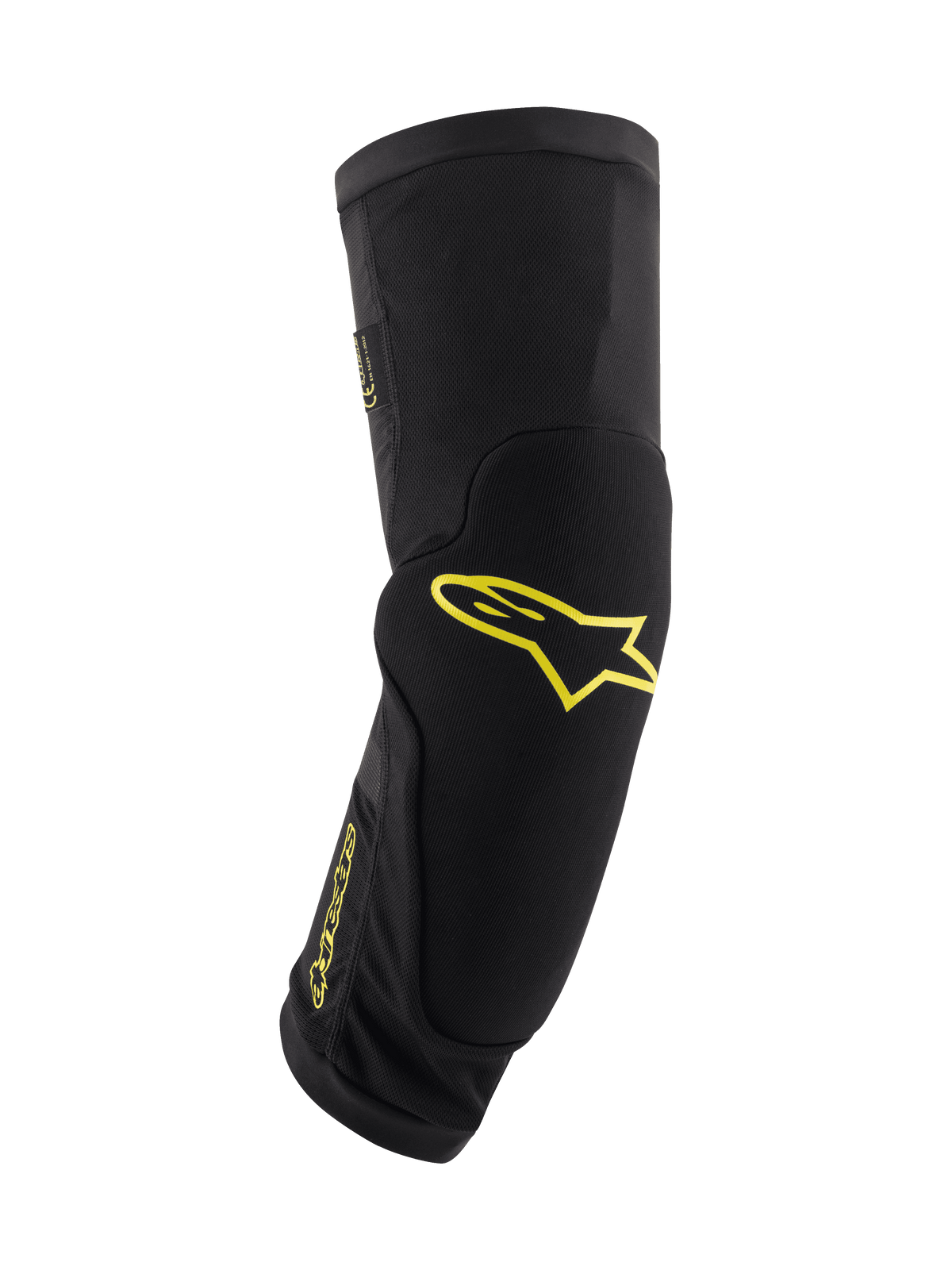
Paragon Plus Knieschützer -
Paragon Plus Ellbogenprotektoren -
Paragon Plus Knieschützer -
Paragon Plus Ellbogenprotektoren -
Paragon Plus Knieschützer -
Vector Tech A1 MTB Helm ECE -
Vector Tech A2 MTB Helm ECE -
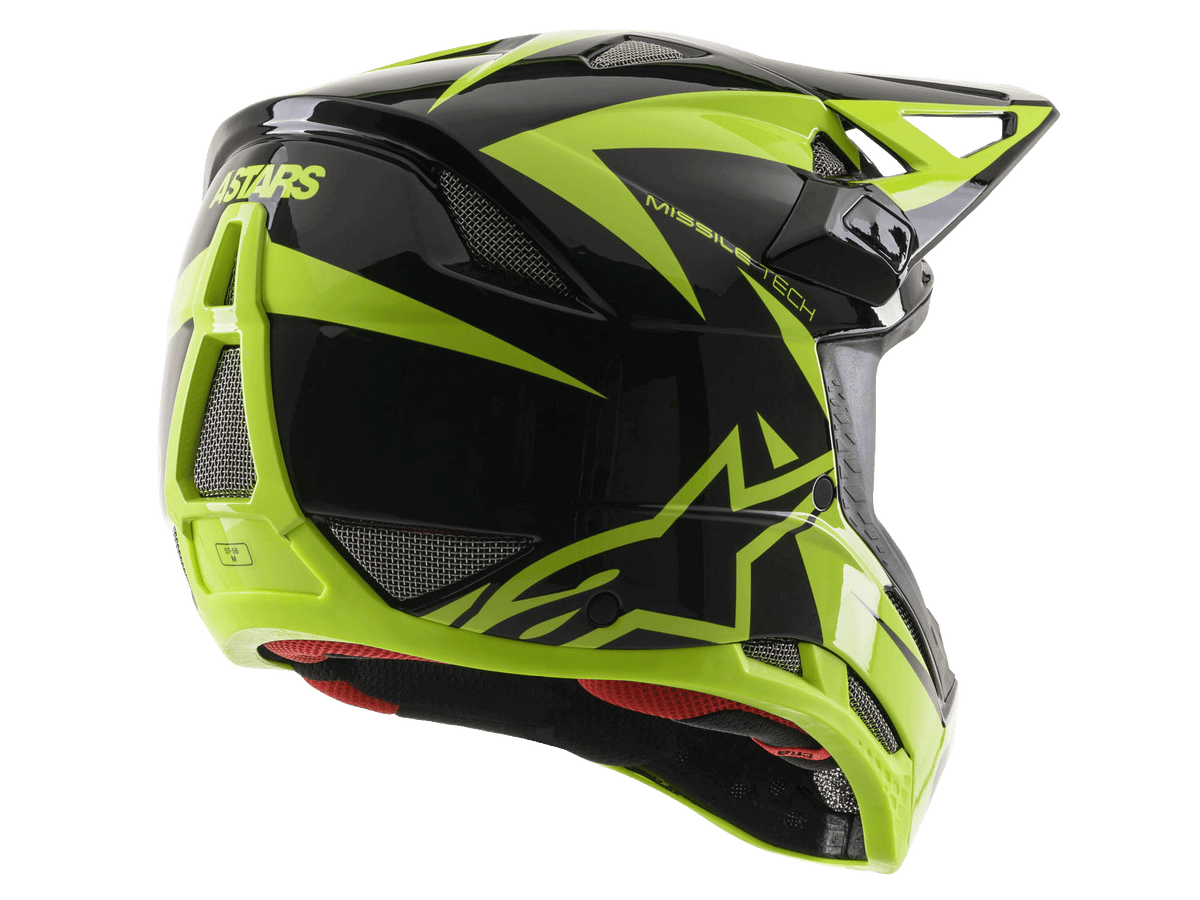
Missile Tech Airlift Integralhelm -
Vector Tech Protektorenshorts -
Paragon Plus Knieschützer -
Missile Tech Racer Helm -
Vector Ellbogenprotektoren -
Missile Tech Racer Helm

























17 of 17 products
Alle Produkte geladen
Häufig gestellte Fragen FAQ ausblenden
Welche Ausrüstung umfasst das Outlet für MTB-Helme und Protektoren?
Diese Outlet-Kollektion umfasst reduzierte Mountainbike-Schutzausrüstung von Alpinestars, darunter Helme, Knieprotektoren, Ellbogenprotektoren, Brust- und Rückenschutz sowie weiteren Körperschutz für Trail, Enduro und Downhill. Die Verfügbarkeit kann je nach Saison und Restbestand variieren, sodass sich die genaue Zusammenstellung im Laufe der Zeit ändern kann.
Wenn Sie sich auch außerhalb des Outlet-Sortiments umsehen möchten, entdecken Sie die gesamte MTB-Kollektion.
Sind die MTB-Protektoren in diesem Outlet CE-zertifiziert?
Viele MTB-Protektoren dieser Kollektion sind CE-zertifiziert. Die genaue Zertifizierung hängt jedoch von der Art des Schutzes ab. Als allgemeine Orientierung gilt: Knie- und Ellbogenprotektoren entsprechen häufig EN 1621-1, Rückenprotektoren EN 1621-2 und Brustschutz EN 1621-3.
Auch die Schutzstufe kann variieren. Bei Level 1 stehen in der Regel eine schlankere Bauweise und eine höhere Bewegungsfreiheit im Vordergrund. Level 2 ist auf eine höhere Aufpralldämpfung ausgelegt und wird häufig bei einer anspruchsvolleren Fahrweise bevorzugt. Prüfen Sie vor dem Kauf auf der jeweiligen Produktseite die genaue CE-Kennzeichnung und Schutzstufe.
Wie sollten MTB-Knie- und Ellbogenprotektoren sitzen?
MTB-Protektoren sollten so sicher sitzen, dass sie auf unebenem Gelände an ihrem Platz bleiben, ohne das Pedalieren, Bremsen oder Ihre Körperbewegungen einzuschränken. Bei korrekter Passform liegt der Protektor flach am Gelenk an, folgt eng der Körperkontur und verdreht oder verschiebt sich nicht, wenn Sie sich in Fahrposition bewegen.
Wenn Sie zwischen zwei Größen liegen, ist meist die Größe die beste Wahl, die den Protektor stabil hält, ohne Druckstellen zu verursachen oder die Durchblutung einzuschränken. Bei abfahrtsorientiertem Fahren ist ein sicherer Halt besonders wichtig, denn der Schutz funktioniert nur dann richtig, wenn er in der vorgesehenen Aufprallzone bleibt.
Wie unterscheidet sich MTB-Schutzausrüstung für Trail, Enduro und Downhill?
MTB-Schutzausrüstung wird in der Regel nach Fahrintensität, Geschwindigkeit, Gelände und dem gewünschten Schutzumfang ausgewählt. Für Trail-Fahrten und lange Tage mit viel Pedalieren werden meist leichtere Varianten gewählt. Enduro- und Downhill-Fahrer suchen dagegen häufig nach einer größeren Schutzabdeckung und höherem Aufprallschutz.
| Fahrstil | Typischer Schutzschwerpunkt | Häufige Priorität |
|---|---|---|
| Trail | Flacher Knie- und Ellbogenschutz | Bewegungsfreiheit und Belüftung |
| Enduro | Knie-, Ellbogen- und optionaler Oberkörperschutz | Ausgewogene Schutzabdeckung für Anstiege und Abfahrten |
| Downhill | Umfangreicherer Körperschutz und umfassende Schutzabdeckung | Maximaler Aufprallschutz |
Wenn Sie auch nach separaten Helmoptionen suchen, entdecken Sie die Kollektion MTB-Helme.
Wie reinige und pflege ich MTB-Helme und Protektoren?
Reinigen Sie MTB-Protektoren mit einem feuchten Tuch oder mit milder Seife und kühlem Wasser. Lassen Sie sie anschließend fern von direkter Hitze vollständig an der Luft trocknen. Falls ein Protektor herausnehmbare Polster oder abnehmbare Manschetten hat, beachten Sie das Pflegeetikett, bevor Sie textile Teile in der Maschine waschen. Vermeiden Sie Bleichmittel, das Trocknen im Wäschetrockner und aggressive Lösungsmittel, da diese technische Gewebe, Schaumstoffe oder Schutzmaterialien beschädigen können.
Wischen Sie bei Helmen die Schale und das Innenfutter vorsichtig ab, halten Sie die Belüftungsöffnungen frei und vermeiden Sie aggressive Chemikalien, die Oberflächen oder innenliegende Materialien beeinträchtigen könnten. Ersetzen Sie jeden Helm nach einem starken Aufprall, auch wenn äußerlich keine Schäden erkennbar sind. Kontrollieren Sie Protektoren regelmäßig auf Risse, zusammengedrückte Stellen und Verschleiß an den Halte- und Befestigungsbereichen.